Harvard Scientists Grow Brain Cells That Could Treat ALS
Researchers have successfully grown specialized brain cells that die in ALS and get damaged in spinal injuries, opening new doors for treatment. For the first time, scientists can reliably create these rare corticospinal neurons in the lab.
Scientists at Harvard University have cracked the code for growing a type of brain cell that's been impossible to study until now.
The breakthrough centers on corticospinal neurons, specialized cells that control voluntary movement. These are the exact cells that die in people with ALS and get severed in spinal cord injuries, leaving patients unable to move their bodies as they once could.
"To realistically model diseases and screen for potential treatments, or to regenerate neurons that are damaged in spinal injuries, we need reliable approaches," explains Dr. Kadir Ozkan, who led the research. The problem has been that these cells are so specialized, scientists couldn't grow them in laboratories to study them or test treatments.
The Harvard team discovered something remarkable hiding in plain sight. A subset of parent stem cells in the adult brain still held dormant potential to become neurons, even though scientists thought that ability was lost after birth.
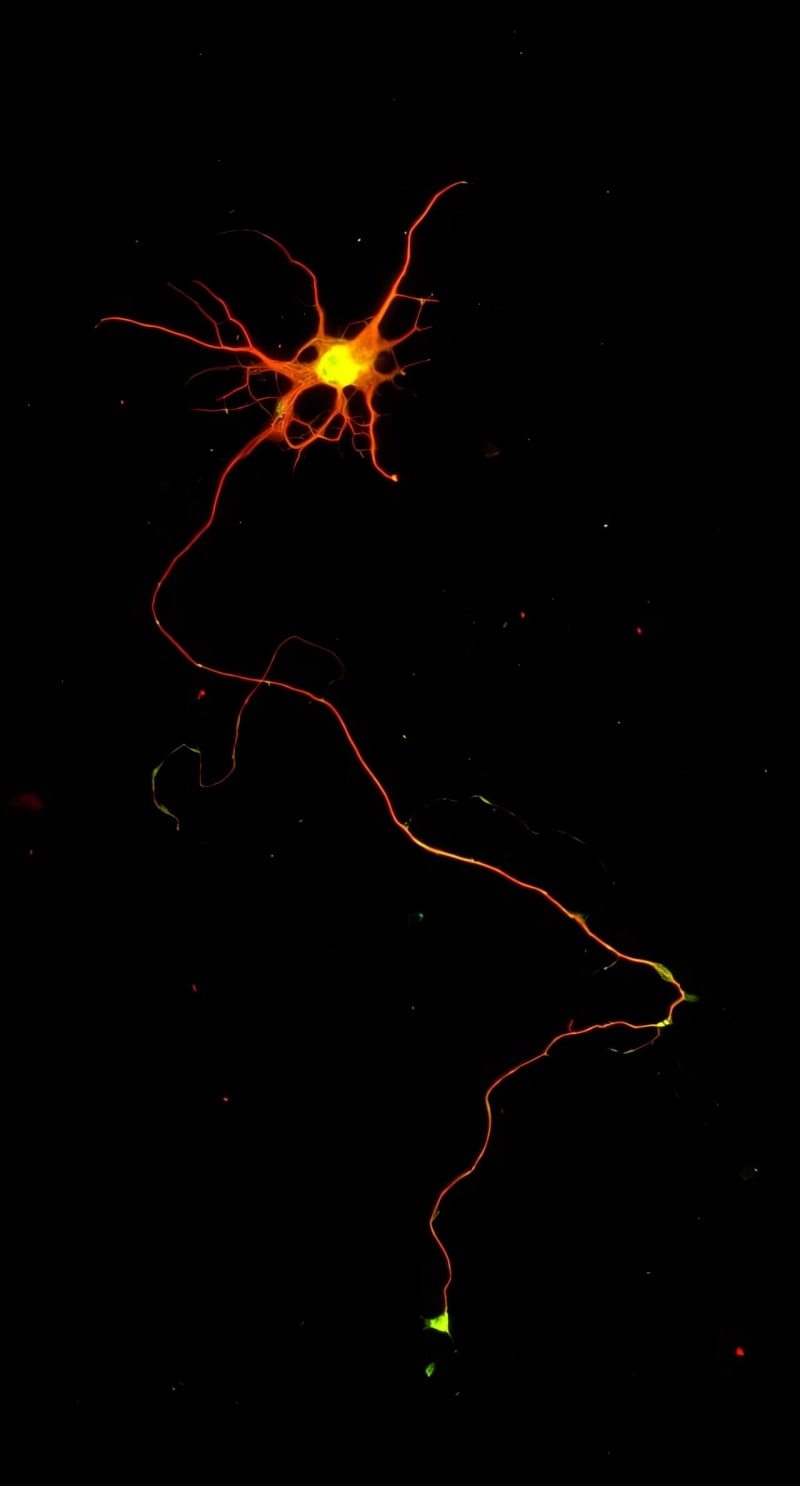
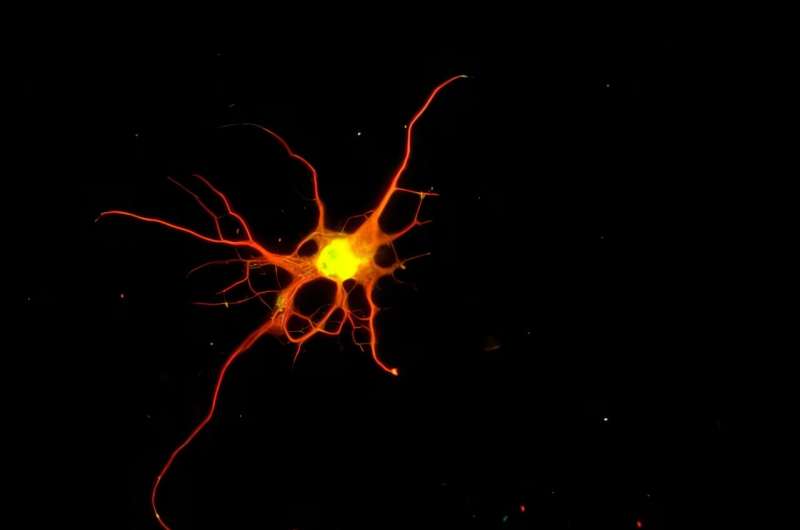
The researchers developed a gene programming system called NVOF that acts like a recipe, guiding these parent cells step by step to become fully functional corticospinal neurons. The lab grown cells developed the same distinct shape, electrical activity, and molecular markers as the real neurons found in our brains.
Why This Inspires
Right now, there are no good ways to study why corticospinal neurons die in ALS patients or to test potential treatments. Every new drug or therapy gets tested on generic brain cells that don't accurately reflect what happens in the disease.
This discovery changes that equation completely. Researchers can now grow the exact cells affected by ALS and spinal injuries, test thousands of potential treatments on them, and understand why they're so vulnerable in the first place.
The implications reach beyond the lab. If scientists can reliably create these cells, the next frontier is learning whether they can be transplanted into patients to replace damaged neurons and restore lost movement.
Dr. Jeffrey Macklis, who oversees the research at Harvard's Department of Stem Cell and Regenerative Biology, notes this critically expands the relevance of ALS and spinal injury research. Previous studies using the wrong cell types may have missed effective treatments simply because they weren't testing on the right neurons.
The study, published in the journal eLife, represents years of detective work figuring out which molecular signals tell a stem cell to become this specific type of neuron rather than any of the thousands of other brain cell varieties.
For the 5,000 Americans diagnosed with ALS each year and the thousands more living with spinal cord injuries, this research lights a path forward where there wasn't one before.
More Images
Based on reporting by Medical Xpress
This story was written by BrightWire based on verified news reports.
Spread the positivity!
Share this good news with someone who needs it