Hawaiian Stilt Soars from Endangered to Threatened Status
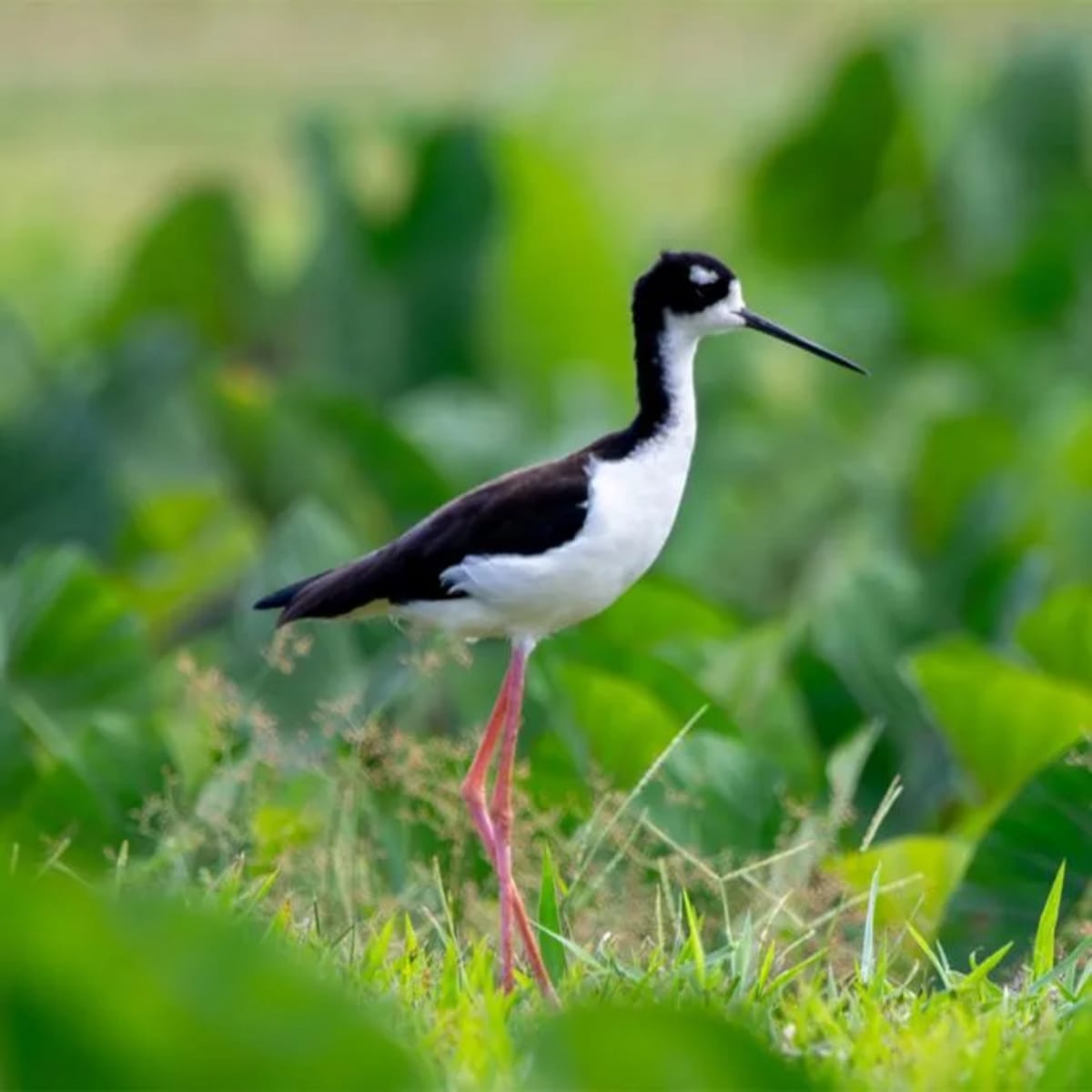
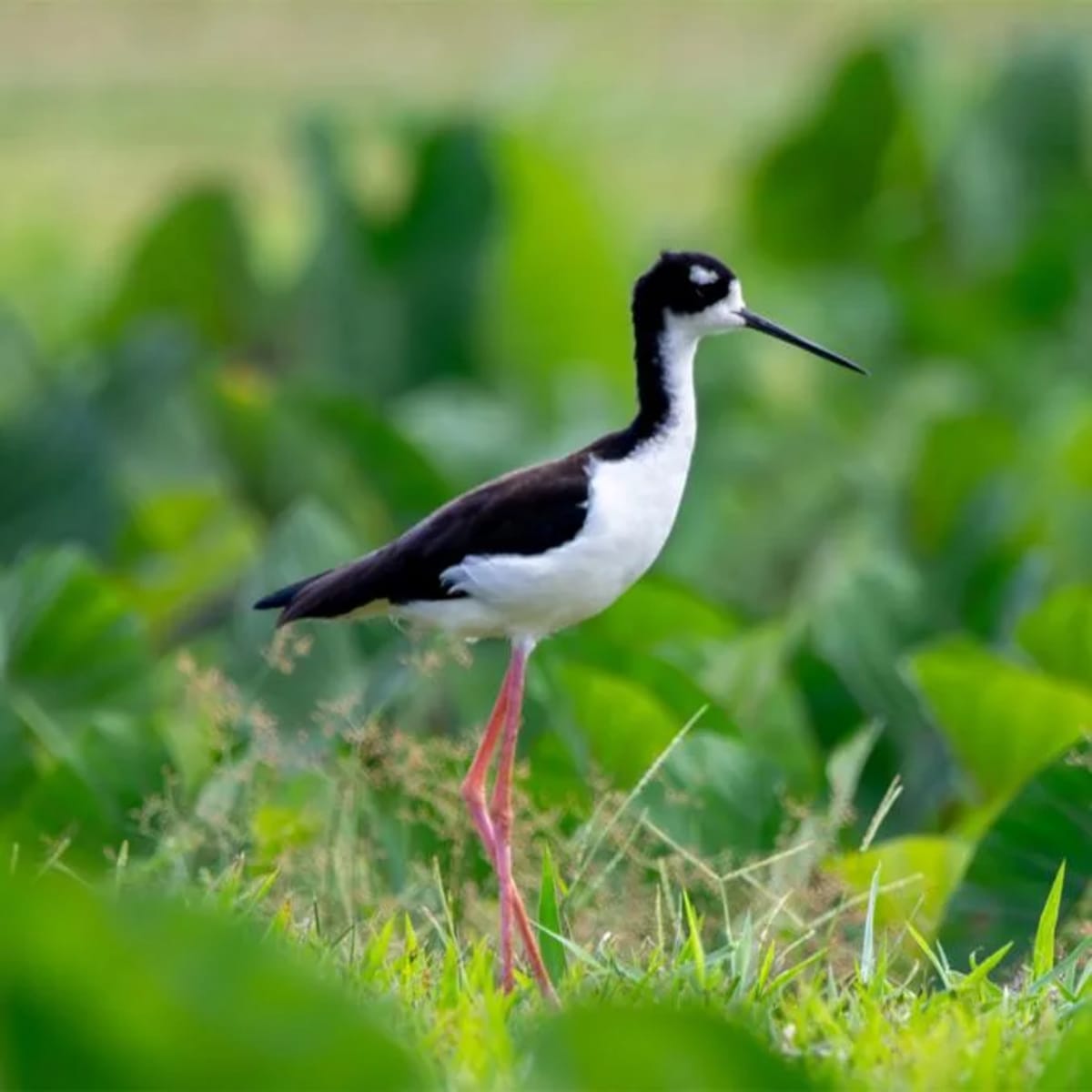
After 50 years of dedicated conservation work, Hawaii's ae'o has rebounded from just 200 birds in the 1940s to over 1,500 today. The U.S. Fish and Wildlife Service just reclassified the long-legged shorebird from endangered to threatened, marking a rare conservation victory.
A native Hawaiian bird is making one of the most remarkable comebacks in conservation history, proving that patience and community action can reverse even the steepest wildlife declines.
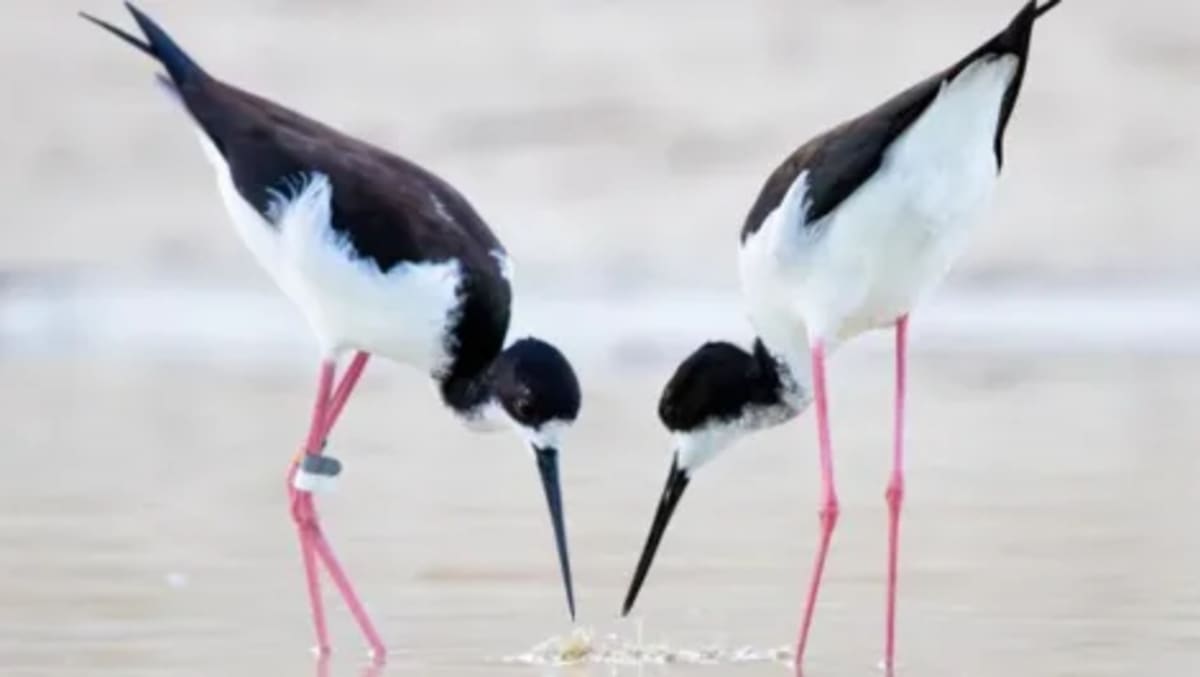
The ae'o, or Hawaiian stilt, has officially been reclassified from endangered to threatened by the U.S. Fish and Wildlife Service. The long-legged shorebird's population has grown from an estimated 200 birds in the 1940s to more than 1,500 today.
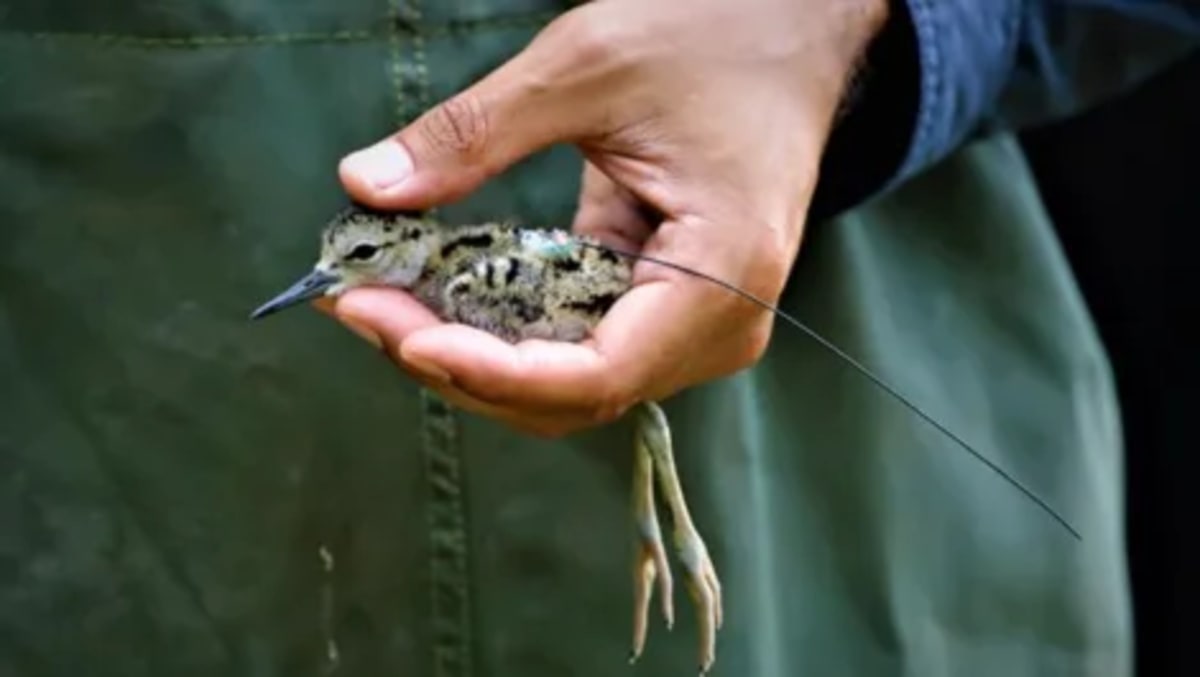
The reclassification follows more than five decades of habitat restoration, wetland management, and predator control efforts across the Hawaiian Islands. Researchers at the University of Hawaii at Manoa analyzed nesting data from over 2,000 nests at nine Oahu wetlands between 1963 and 2020, documenting steady improvements in both nesting success and chick survival.
Once found throughout Hawaii, the ae'o nearly disappeared due to overhunting, wetland loss to agriculture and development, and invasive predators. The bird was listed as endangered in 1973, launching a long-term recovery effort that brought together government agencies, researchers, and local communities.
"This is a bright spot story," said Melissa Price, an associate professor in the University's Department of Natural Resources and Environmental Management. "So many species across Hawaii are in decline. The ae'o demonstrates how community can work in partnership with conservation managers to achieve recovery."
The Ripple Effect
The ae'o's recovery is creating positive waves beyond just bird counts. Restoration projects that benefit the stilts are also reviving Indigenous wetland agricultural systems, reconnecting Native Hawaiian communities with traditional land practices. When wetlands are restored, the birds return almost immediately, validating the work and inspiring more habitat projects.
The success has shown that conservation-reliant species can thrive with sustained effort. Recent restoration work is expanding managed wetlands to help the population grow and provide refuge as rising sea levels threaten coastal habitats.
The Fish and Wildlife Service has adopted a species-specific rule that allows beneficial habitat management and restoration activities to continue while maintaining legal protections. This flexible approach ensures the work that brought the ae'o back from the brink can keep moving forward.
"Downlisting doesn't mean the work is done," said Jessica Idle, lead author of the study and manager with the University's Pacific Cooperative Studies Unit. "It means the work is paying off."
Continued monitoring, predator control, and wetland expansion will remain essential to keep the population climbing, but for now, Hawaii has proof that its native wildlife can recover when communities refuse to give up.
More Images
Based on reporting by Google News - Endangered Species Recovery
This story was written by BrightWire based on verified news reports.
Spread the positivity!
Share this good news with someone who needs it