Vermont Loons Soar from 15 to 115 Nesting Pairs
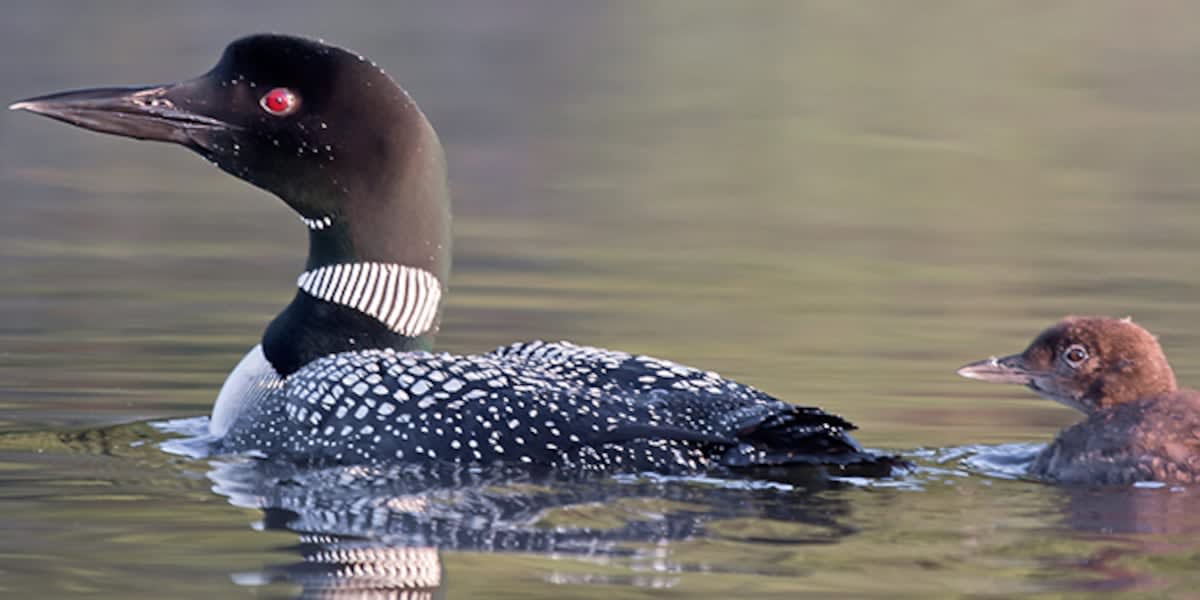
Vermont's loon population has exploded from just 15 nesting pairs in the 1990s to 115 last year, thanks to floating rafts, volunteers, and a lead sinker ban. The comeback is so successful that conservationists are now testing whether loons can thrive without the rafts on some lakes.
Vermont's loons are making one of the most dramatic wildlife comebacks in recent memory, and the numbers tell an incredible story.
When Rosalind Renfrew started working with Vermont Fish and Wildlife in the 1990s, the state had about 15 nesting loon pairs. Last year, that number hit 115.
"It's really rare that you can say that about a species, that significant of a comeback," said Renfrew, who has dedicated decades to protecting these iconic water birds.
The secret? A combination of simple solutions and dedicated people like Lisa Angstman.
Most misty summer mornings, Angstman kayaks across Lake Iroquois in Hinesburg to check on a floating nesting raft. Just months ago, two baby loons hatched there, their first home before joining their parents elsewhere on the lake.
These floating platforms have been deployed across Vermont's lakes since the 1980s. They protect nesting loons from people, predators, and flooding that can wash away eggs.
"If we didn't have the raft, they probably wouldn't be able to be successful," Angstman explained.
But the rafts are only part of the solution. Vermont also banned lead sinker sales, which poisoned loons when they swallowed them while hunting for fish. Education campaigns taught boaters and fishers how to share the water with nesting birds.
The Ripple Effect
The comeback is so dramatic that next season, volunteers will remove rafts from some lakes to see if loons can manage on their own. It's the kind of problem conservationists dream of having.
"It's really a good measure of success when you can kind of back off from intensive management, in at least some places, and let the loons take on their natural course," Renfrew said.
The experiment doesn't mean loons are being abandoned. Volunteers like Angstman will keep watching, ready to help if needed. She's already prepping her raft for spring, when ice thaws and loons return looking for nesting spots.
The loon recovery shows what's possible when communities commit to conservation for the long haul. Decades of sustained effort by volunteers, wildlife officials, and everyday Vermonters turned a struggling population into a thriving one.
Vermont's success offers a template for other states working to restore their own wildlife populations.
When spring arrives and loons return to Lake Iroquois with their haunting calls echoing across the water, they'll be proof that patience, dedication, and smart conservation really do work.
Based on reporting by Google News - Conservation Success
This story was written by BrightWire based on verified news reports.
Spread the positivity!
Share this good news with someone who needs it