Hidden Brain Rhythm Could Help Parkinson's Patients
Scientists discovered a specific brain network and electrical rhythm that powers deep brain stimulation for Parkinson's disease. The breakthrough could help doctors personalize treatment for patients who haven't found relief yet.
For the first time, scientists can see exactly how deep brain stimulation helps people with Parkinson's disease—and the discovery could help thousands get better results from their treatment.
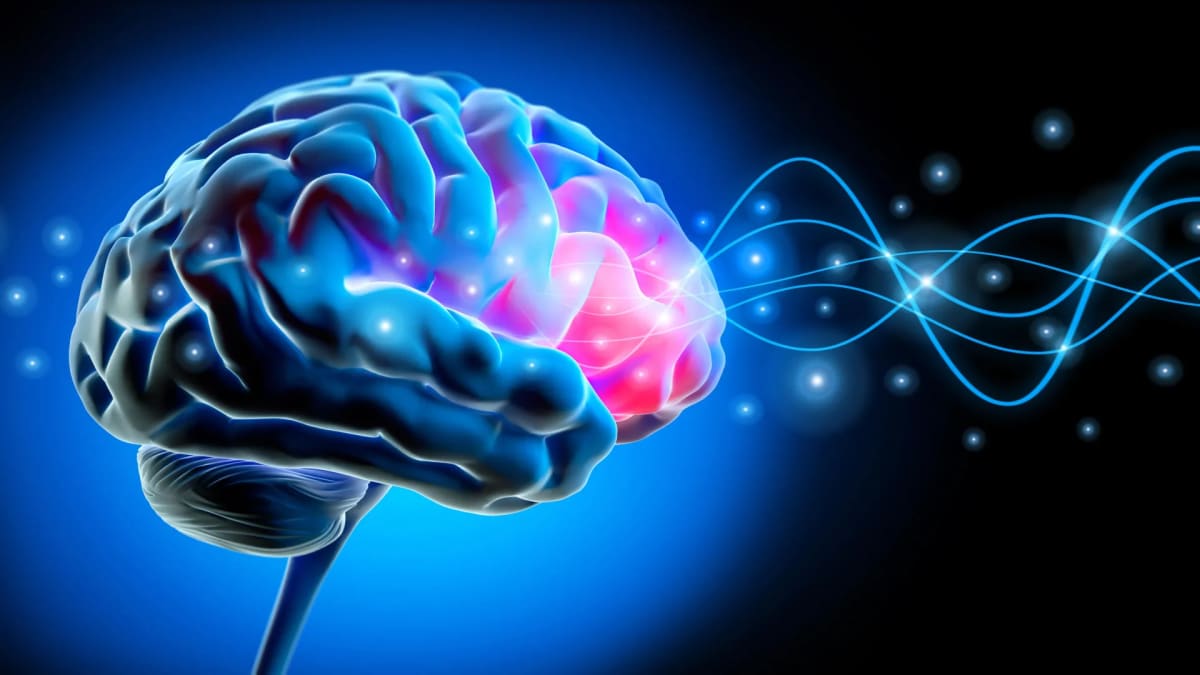
Researchers from universities in Germany and the United States found that successful deep brain stimulation works by targeting a very specific brain network. This network communicates through a fast electrical rhythm between 20 and 35 cycles per second, known as the high beta band.
Deep brain stimulation already helps many Parkinson's patients control their movement symptoms using tiny electrodes implanted in the brain. But doctors have struggled to fine-tune the treatment because they didn't fully understand which brain areas to target or why it worked for some patients better than others.
The research team studied 50 patients and used two advanced technologies at the same time: readings from the implanted electrodes and brain scans called magnetoencephalography. This dual approach let them see both where the helpful signals occur and when they happen, something no previous study had captured together.
They discovered that the subthalamic nucleus deep in the brain connects with the frontal areas through this specific rhythm. Patients whose brains showed stronger connections at this frequency experienced better symptom relief after getting their electrodes.
Why This Inspires
This finding gives doctors a roadmap for helping the patients who need it most. About 10 million people worldwide live with Parkinson's disease, and while deep brain stimulation can be life-changing, it doesn't work equally well for everyone.
Dr. Bahne Bahners, who led the research at Düsseldorf University Hospital, explains that doctors can now adjust stimulation settings more precisely by targeting regions connected to this newly identified network. This matters especially for patients whose current settings aren't providing enough relief.
Professor Andreas Horn from the University of Cologne says this is the first time researchers have characterized the deep brain stimulation response network in both space and time simultaneously. The discovery offers a clear explanation for why some patients respond better than others.
The research team is already planning their next studies to understand even more directly how deep brain stimulation creates these changes in brain networks. Those studies are currently underway, funded largely by the Professor Klaus Thiemann Foundation.
For people living with Parkinson's and their families, this research opens the door to treatments tailored specifically to each person's unique brain network—moving closer to truly personalized medicine that works better for everyone.
Based on reporting by Science Daily
This story was written by BrightWire based on verified news reports.
Spread the positivity!
Share this good news with someone who needs it