Hiroshima Survivor, 80, Brings Peace Message to U.N.
An 80-year-old atomic bomb survivor who was exposed to radiation in his mother's womb delivered a powerful call for nuclear disarmament at the United Nations. His message echoes decades of advocacy from Japan's hibakusha community.
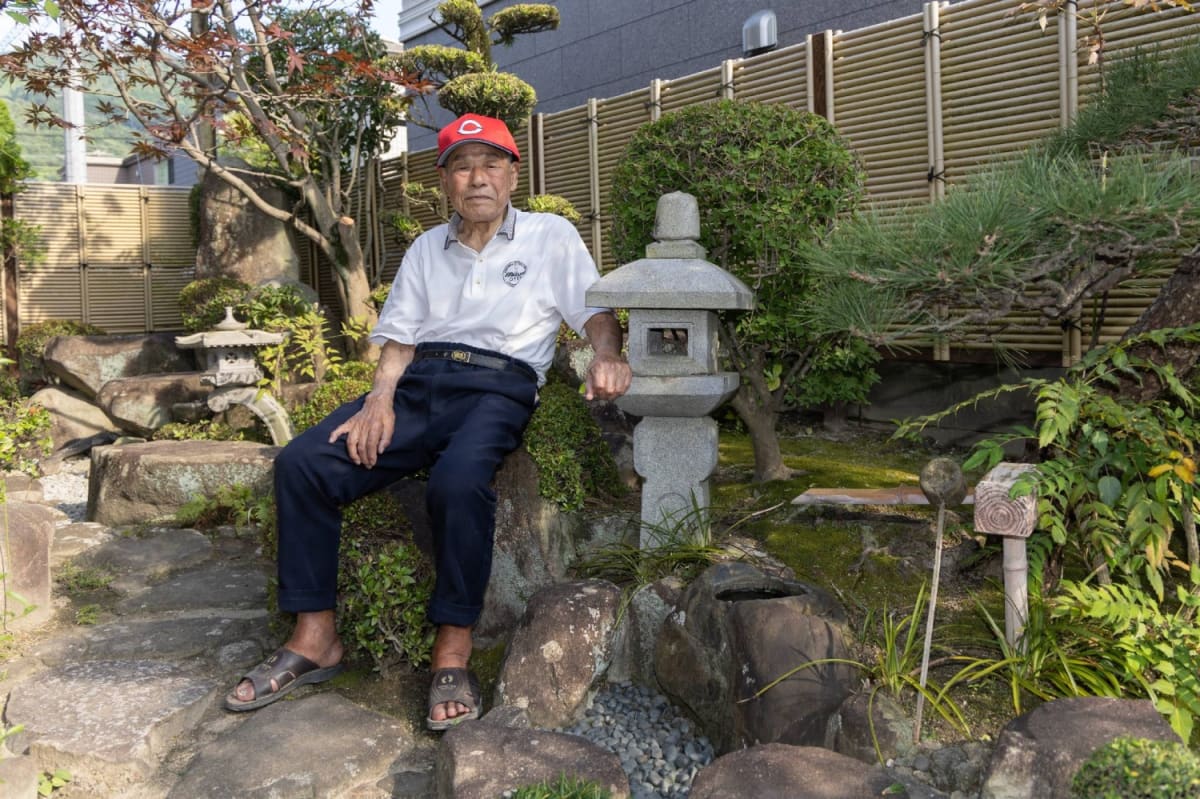
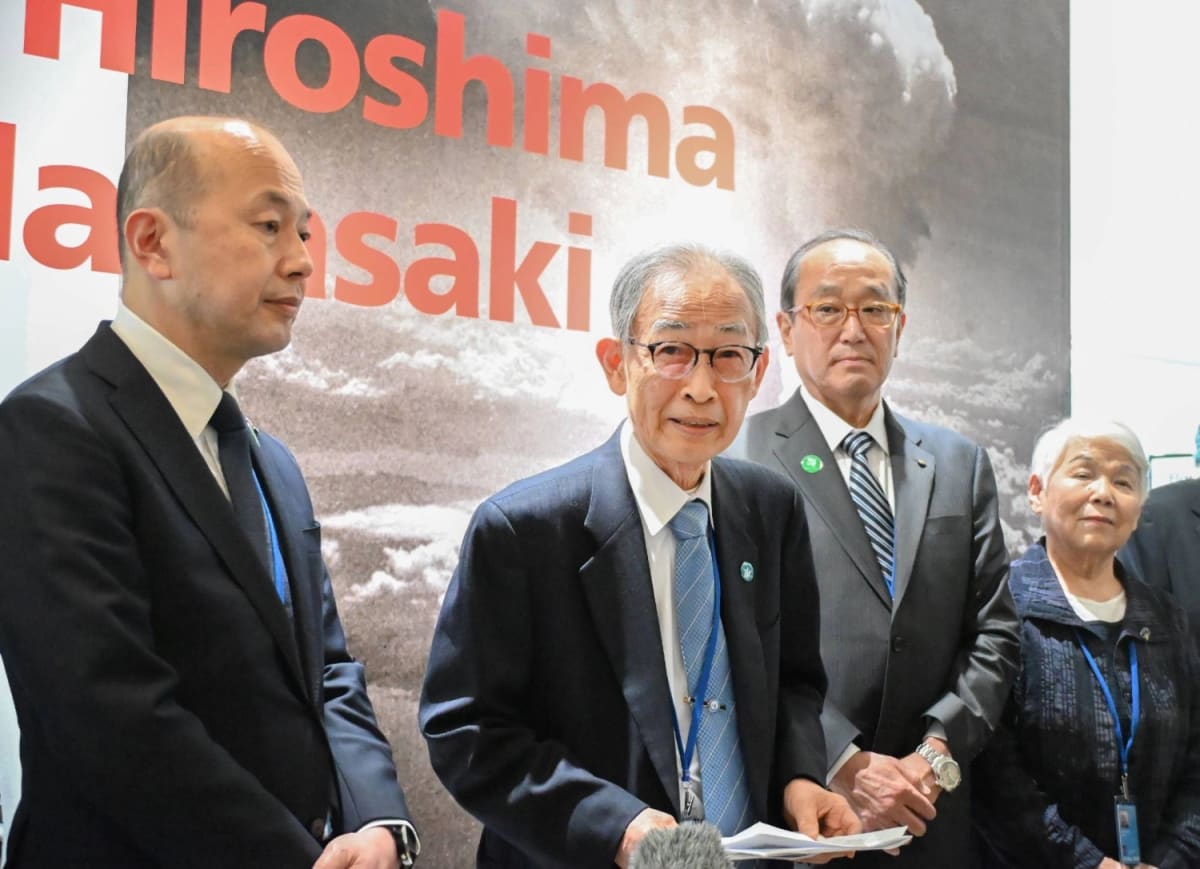
Jiro Hamasumi stood before world leaders at the United Nations on Friday with a message born from the most devastating moment in human history. The 80-year-old survivor of the Hiroshima atomic bombing called nuclear weapons "weapons of the devil that cannot coexist with humanity."
Hamasumi's story begins before his first breath. He was still in his mother's womb when the atomic bomb struck Hiroshima on August 6, 1945, exposing him to radiation that would shape his entire life.
Now serving as secretary-general of Nihon Hidankyo, Japan's leading organization of atomic bomb survivors, Hamasumi carries forward a mission that spans generations. The organization represents thousands of hibakusha, the Japanese term for those who survived the atomic bombings of Hiroshima and Nagasaki.
His speech in New York invoked words that have defined the survivors' movement for over 40 years. "No more war, no more hibakusha," Hamasumi quoted from a landmark 1982 address by fellow survivor Senji Yamaguchi at a U.N. special session on disarmament.
The phrase captures both a plea and a promise. It acknowledges the irreversible suffering of those who lived through the bombings while demanding that no future generations endure the same fate.
Why This Inspires
Hamasumi's address represents more than one man's testimony. It embodies the quiet determination of survivors who transformed their trauma into advocacy, spending decades educating the world about nuclear weapons' human cost.
At 80 years old, Hamasumi continues work that many survivors began in their youth. Their persistence has kept the conversation about nuclear disarmament alive across multiple generations, reminding world leaders that the weapons they debate have real, lasting consequences on human lives.
The hibakusha's willingness to share deeply painful experiences serves a greater purpose: preventing others from suffering as they have. Their courage in speaking out, year after year, decade after decade, shows how individual voices can influence global conversations about humanity's most dangerous technologies.
As the number of living atomic bomb survivors dwindles with each passing year, their message grows more urgent and more precious.
More Images
Based on reporting by Japan Times
This story was written by BrightWire based on verified news reports.
Spread the positivity!
Share this good news with someone who needs it