
Einstein Visited Hiroshima 23 Years Before the Bomb
Albert Einstein explored Hiroshima in 1922, hiking its sacred mountains and meeting locals. When he heard about the atomic bomb in 1945, he knew exactly what had been destroyed.
Find uplifting stories about heroes, innovations, and solutions
43 results for "hiroshima"
Albert Einstein explored Hiroshima in 1922, hiking its sacred mountains and meeting locals. When he heard about the atomic bomb in 1945, he knew exactly what had been destroyed.
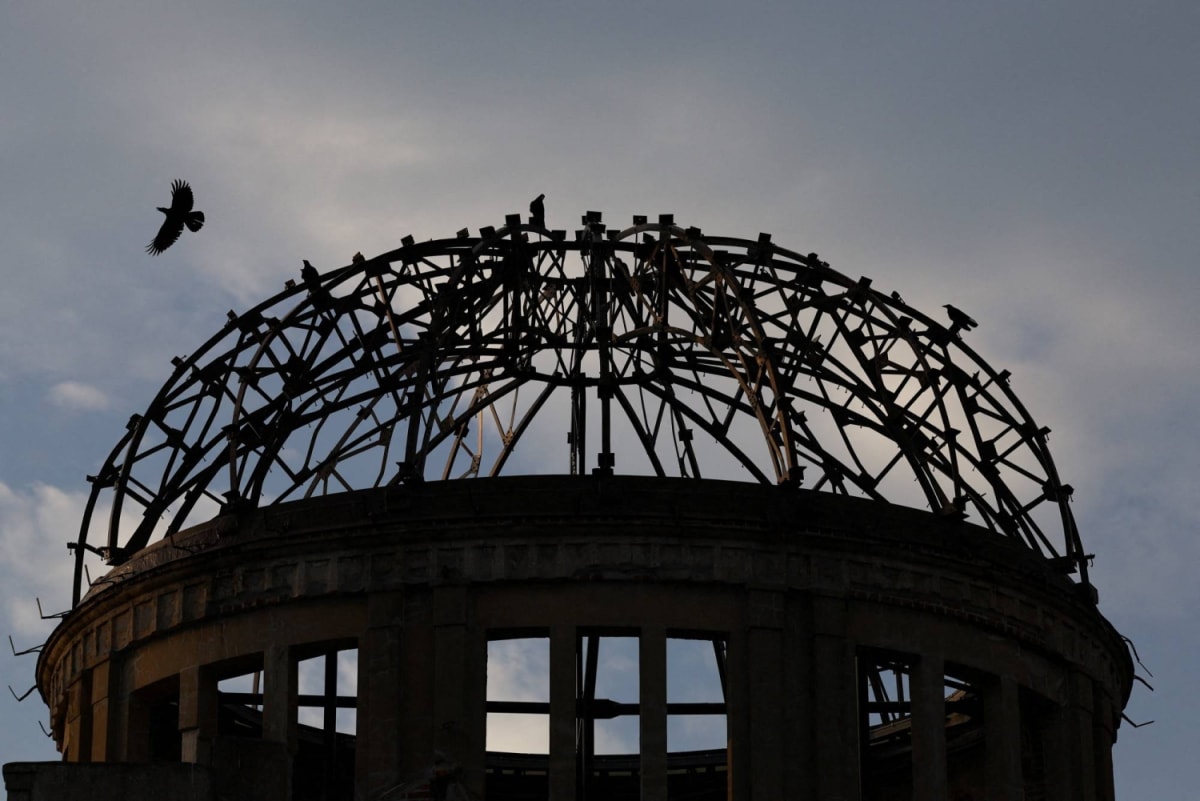
More countries than ever before will gather in Hiroshima this August to honor atomic bomb victims and reaffirm their commitment to peace. The historic turnout shows growing global unity around nuclear disarmament.
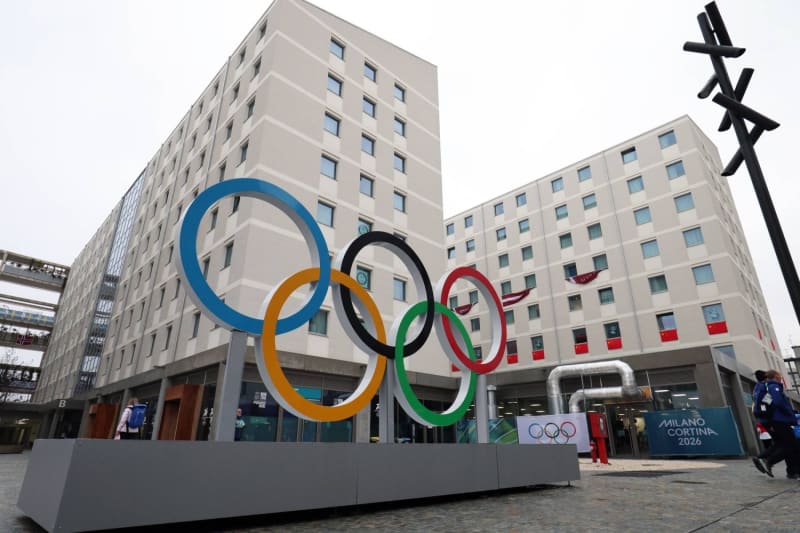
Tadatoshi Akiba, former mayor of Hiroshima, will carry the Olympic flag at Friday's Winter Olympics opening ceremony in Milan. The honor recognizes his decades of work promoting nuclear disarmament and peace.
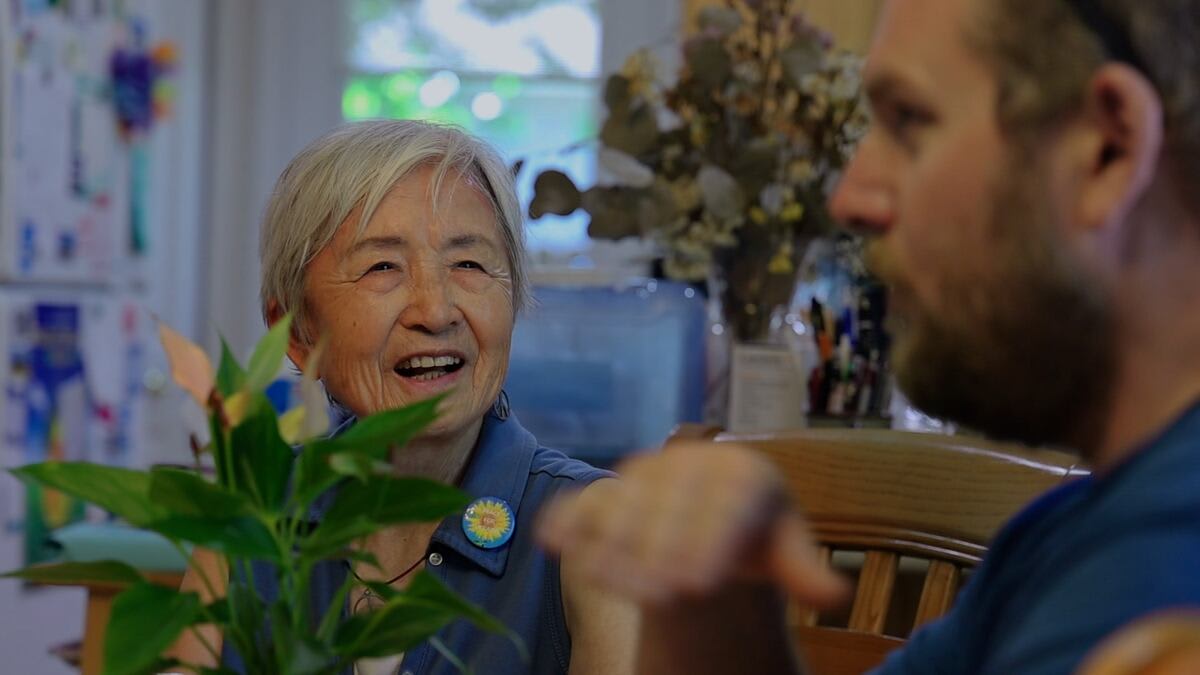
At age 10, Hideko Tamura Snider survived the atomic bomb that devastated Hiroshima. Now she's growing hope across Oregon through trees planted from seeds that also survived the blast.

After seven decades of silence and shame, an 86-year-old atomic bomb survivor finally found healing by sharing her story with the world. Hiroko Kaneko returned to Hiroshima for the first time in nearly 70 years to attend the Peace Memorial Ceremony.

Scientists discovered a never-before-seen metal alloy in tiny particles preserved in Hiroshima's beach sand, formed by the intense heat of the 1945 atomic blast. The find opens new doors for materials science and shows how extreme conditions can create materials impossible to make in laboratories.
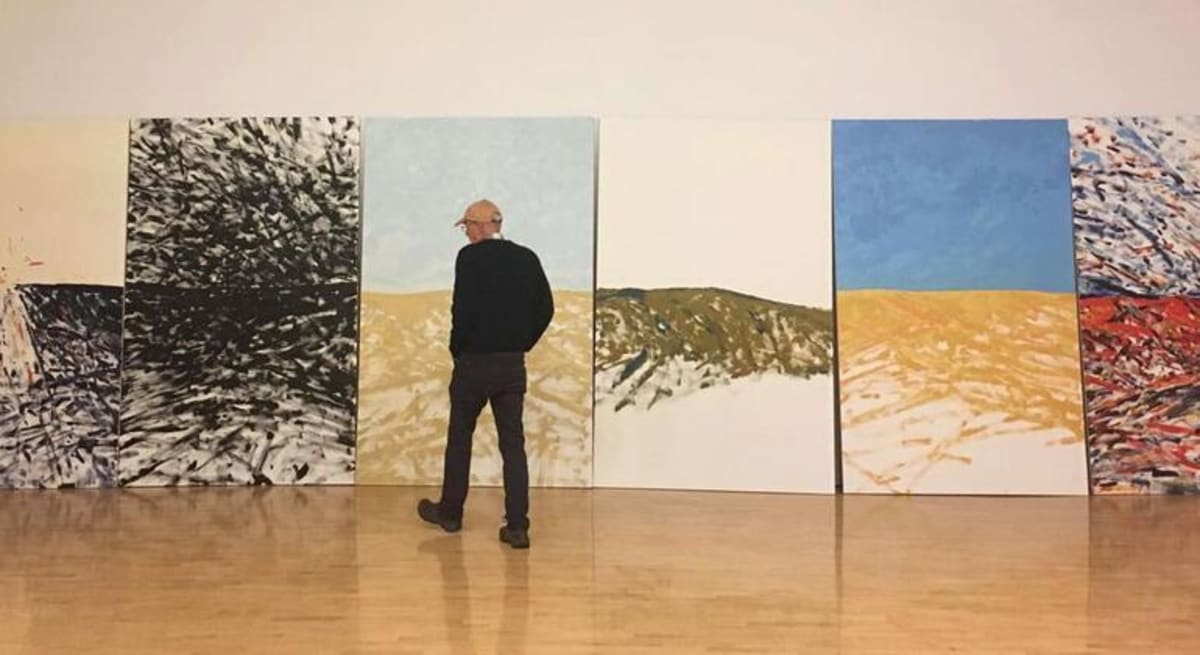
Oakland artist Sandy Walker spent decades transforming atomic bomb survivor Tamiki Hara's writings into intimate ink drawings that make nuclear violence urgently human. His new illustrated edition honors 80 years since Hiroshima by refusing to let history become abstract.

An 80-year-old atomic bomb survivor who was exposed to radiation in his mother's womb delivered a powerful call for nuclear disarmament at the United Nations. His message echoes decades of advocacy from Japan's hibakusha community.
Erin Tsutsui's grandfather survived the atomic bomb at age four by standing behind a tree. Now she's honoring his memory by working to prevent nuclear warfare from ever happening again.
A California teen whose grandfather survived the atomic bomb at age four is sharing his story to prevent future nuclear warfare. His miraculous survival behind a tree and journey to becoming a surgeon inspires her work for peace.
Kazuko Blake survived the atomic bomb at age 11 and stayed silent for decades. Now she's making sure future generations never forget.

A Saudi professor is sharing 90 years of Arab animation history at Japan's prestigious Hiroshima Animation Season, showcasing how the Kingdom's creative talent is making waves internationally. The presentation highlights emerging Saudi animators and groundbreaking collaborations between Arab and Japanese studios.
Minoru Hasebe survived the Hiroshima atomic bombing as a teenager and went on to play professional baseball for his city's beloved team. Now 94, he's sharing his message of hope with a new generation.
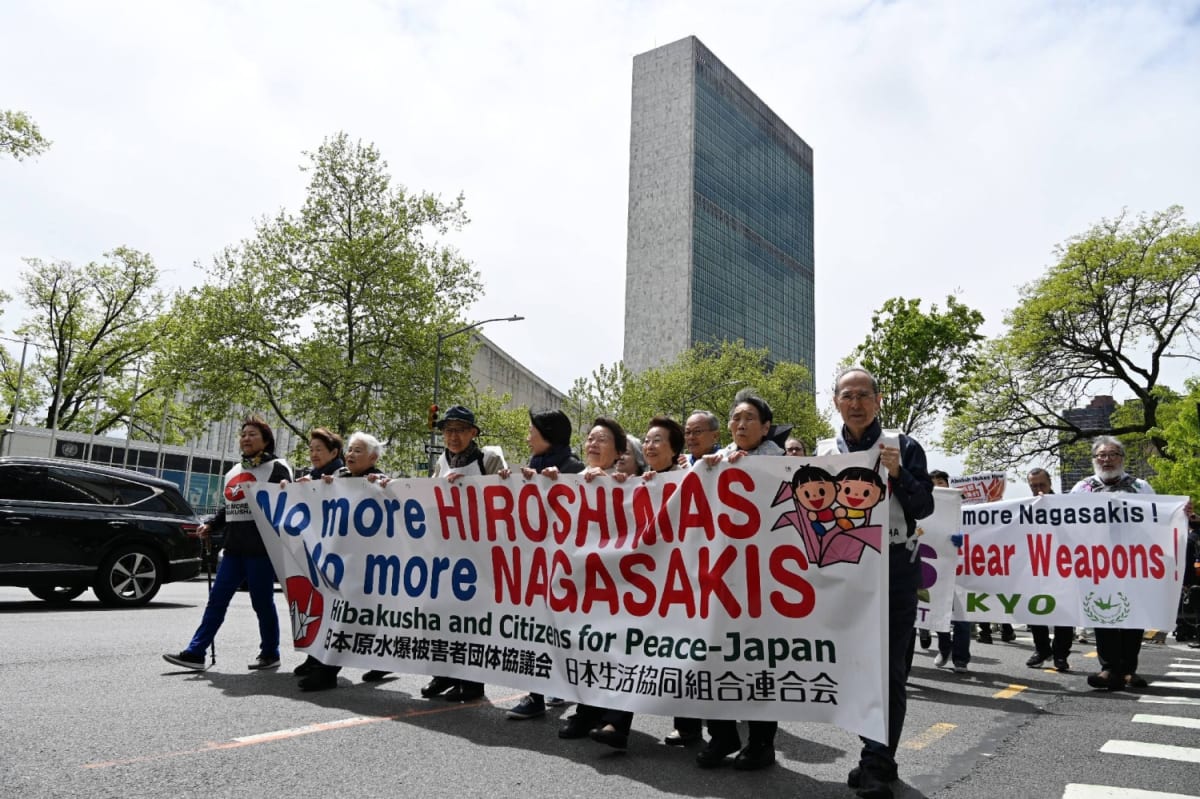
Over 200 atomic bomb survivors and supporters marched to the United Nations headquarters in New York, carrying a powerful message of peace ahead of a crucial nuclear treaty review. Their voices, representing 80 years of resilience, are inspiring a new generation to continue the fight for a nuclear-free world.
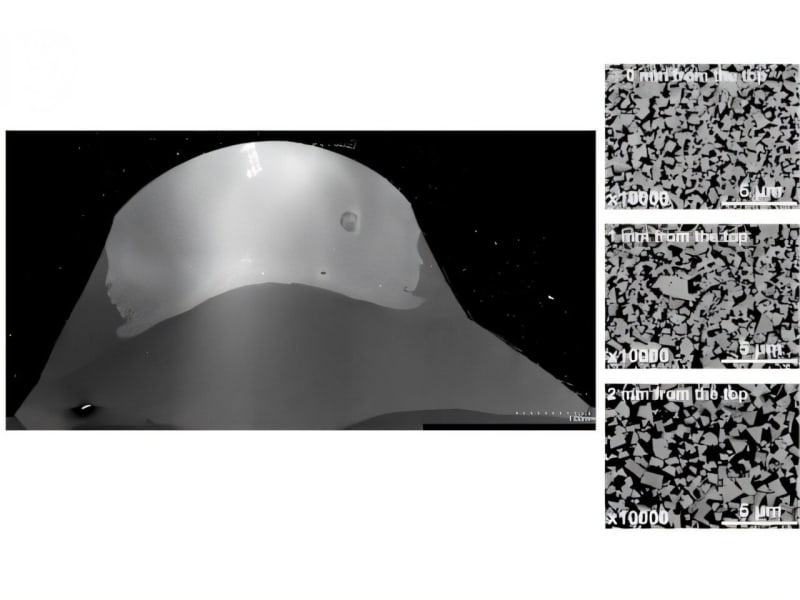
Researchers at Hiroshima University just cracked a decades-old manufacturing problem by successfully 3D printing tungsten carbide, one of the toughest materials used in industry. The breakthrough could slash waste and costs while making industrial tools more accessible worldwide.
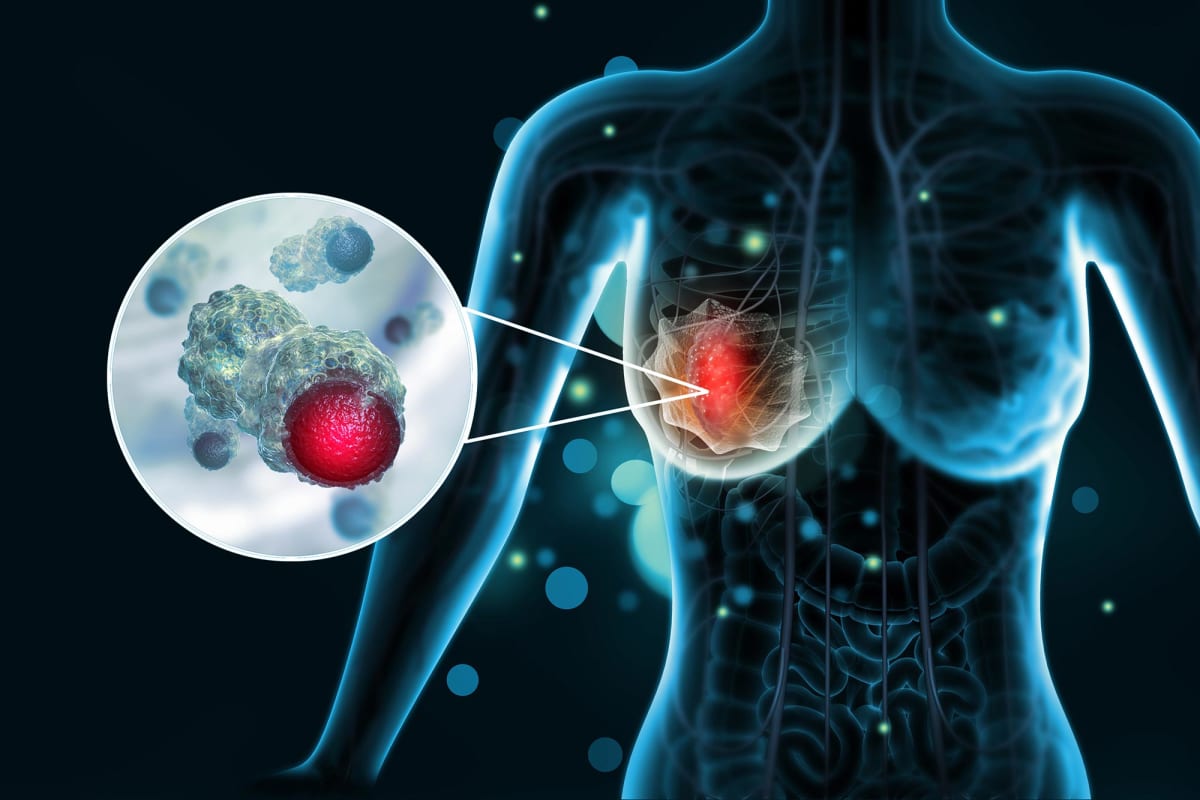
Researchers at Hiroshima University discovered how to break apart protein pairs that help breast cancer spread, opening the door to a new type of treatment. Small protein chains tested in mice successfully stopped tumor growth and prevented cancer from reaching lymph nodes.
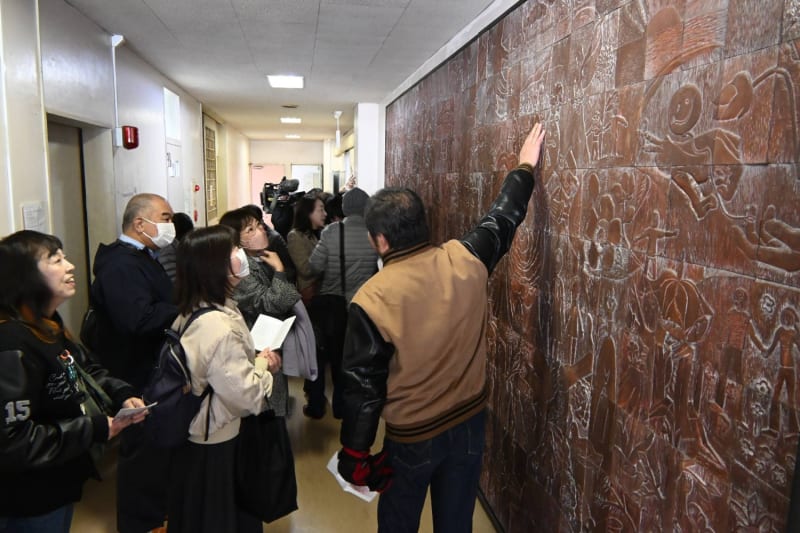
A massive wooden peace relief carved by 344 Japanese students in 1972 nearly ended up in the trash. Now, those same students, 50 years older, have brought their masterpiece home to inspire a new generation.
Tsutomu Yamaguchi survived both the Hiroshima and Nagasaki atomic bombings in 1945, then spent decades teaching future generations about peace. His remarkable story of resilience and his lifelong commitment to nuclear disarmament inspire hope even from history's darkest moments.
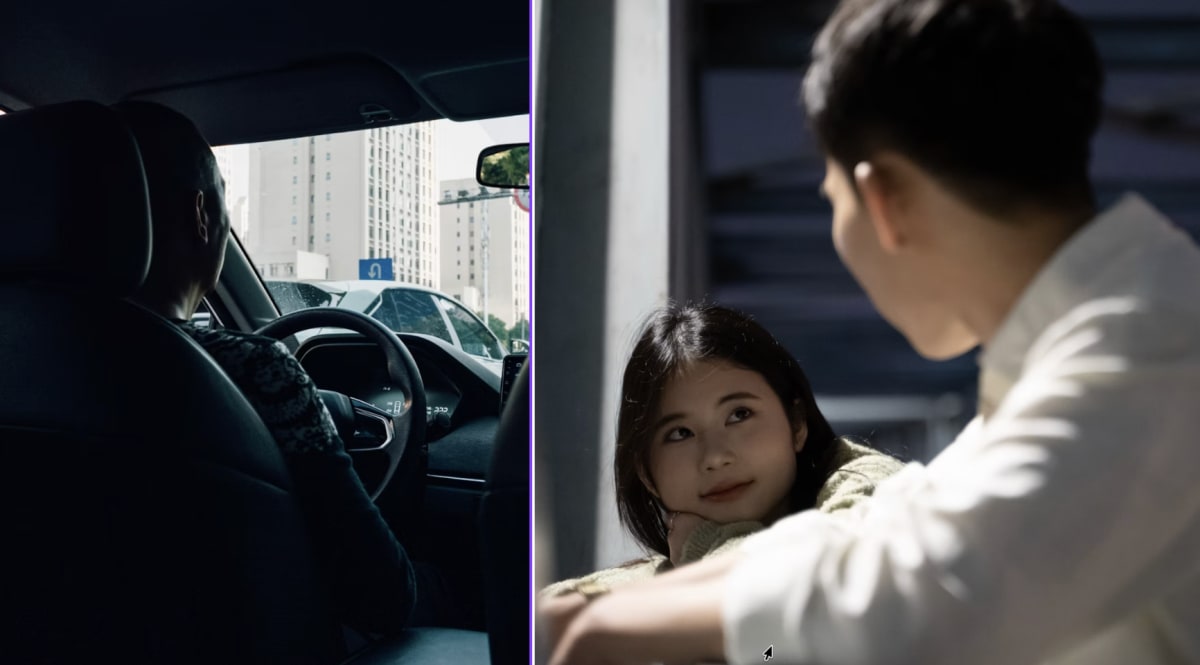
A Hiroshima taxi driver left his high-paying engineering career after his daughter told him she had no memories of him during her childhood. Now they talk every week, and he has zero regrets about choosing time over money.

Scientists in Hiroshima have created a $70 smartphone system that instantly measures radiation exposure in disaster zones. The breakthrough could save countless lives by delivering treatment decisions in minutes instead of hours.
Showing 20 of 43