Hong Kong's Space Device Tracks Carbon From Orbit
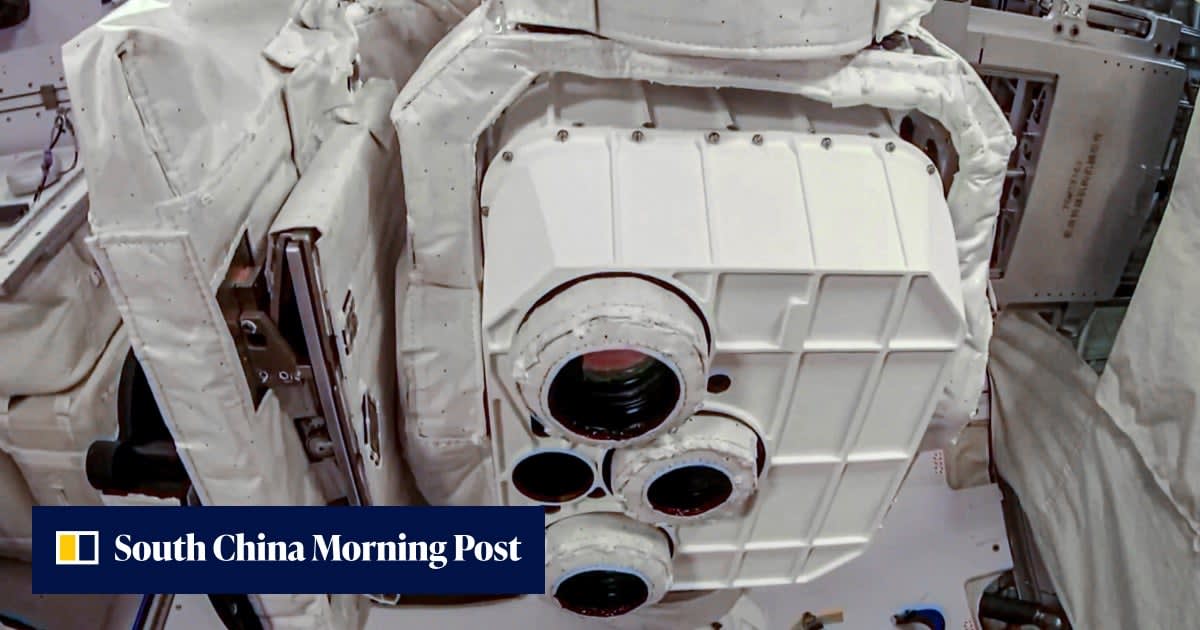
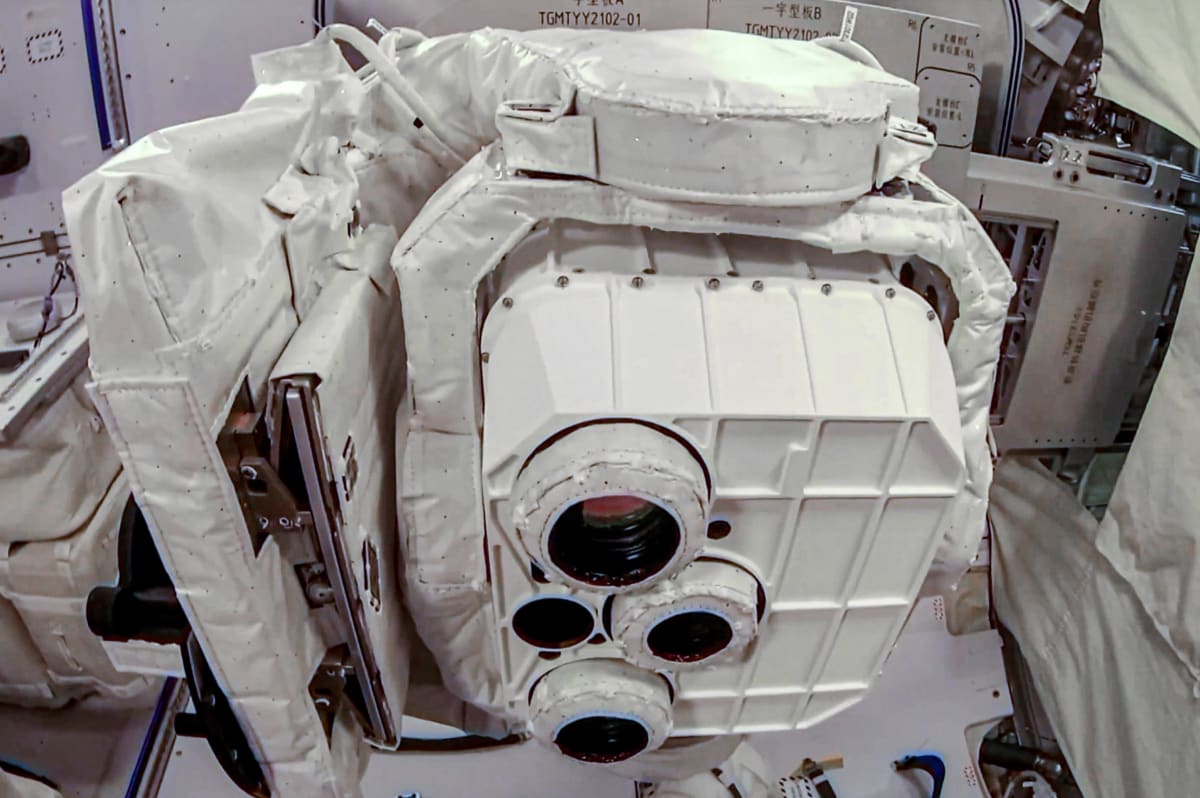
A washing machine-sized instrument built in Hong Kong is now tracking greenhouse gas emissions from China's space station with stunning clarity. The breakthrough tool will monitor carbon dioxide and methane for the next two years, helping fight climate change from 250 miles above Earth.
A groundbreaking greenhouse gas tracker designed by Hong Kong scientists is beaming back crystal-clear images from space, opening a new chapter in humanity's fight against climate change.
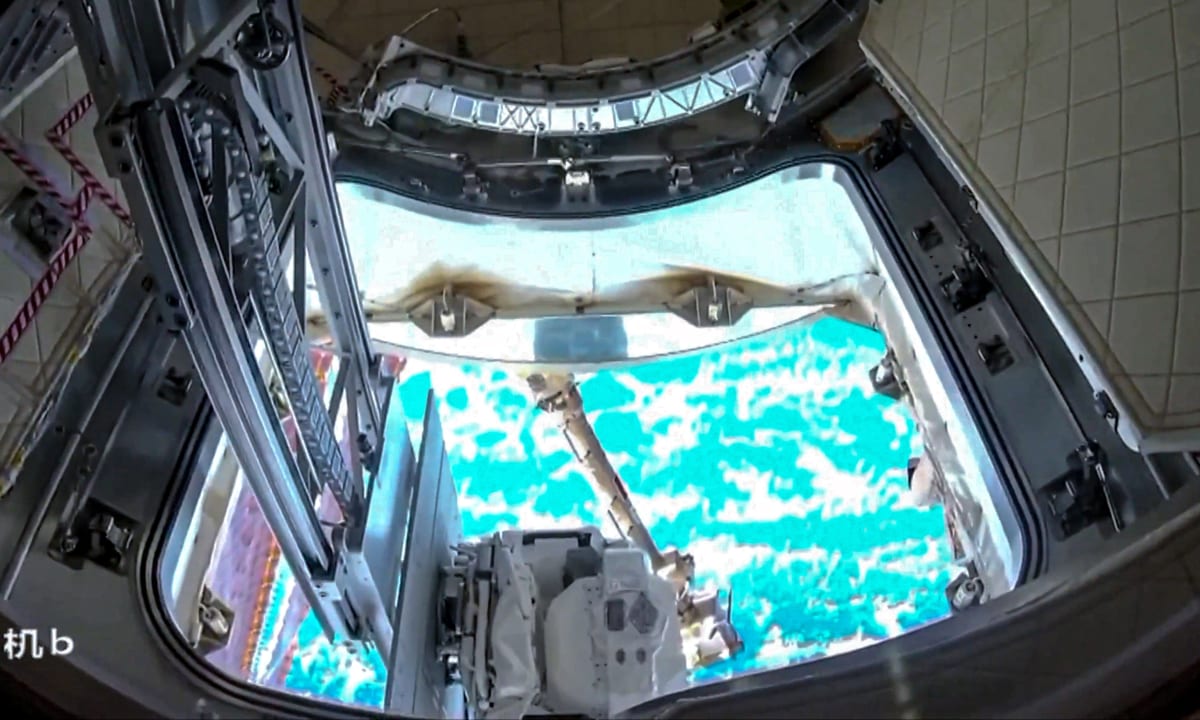
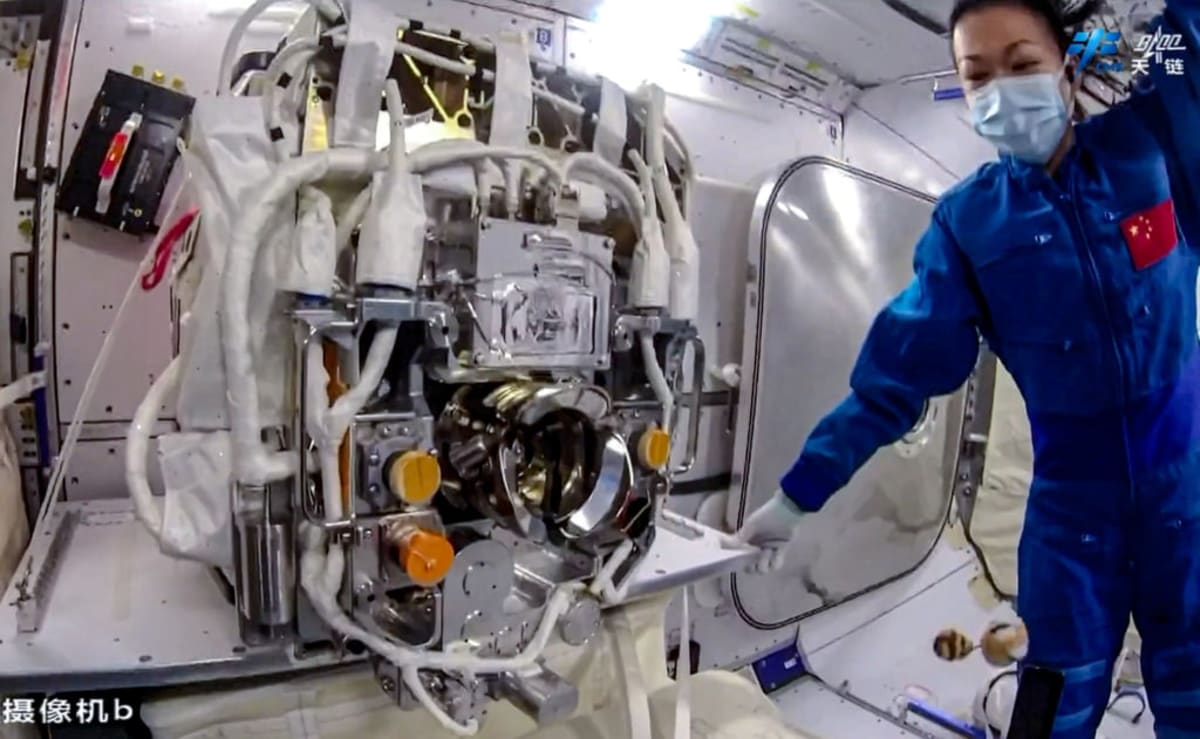
The Multi-Spectral Imaging Carbon Observatory, or Musico, launched to China's Tiangong space station and is already delivering results that exceeded expectations. Despite being smaller than a household washing machine, the device can pinpoint specific sources of carbon dioxide and methane emissions anywhere on Earth.
Scientists at Hong Kong University of Science and Technology led the development team, funded by the city government. Their creation is considered the world's first lightweight, high-resolution observatory capable of tracking both major greenhouse gases simultaneously with precision accuracy.
Technology minister Sun Dong confirmed Saturday that all four sensors are performing beautifully. The instrument's detectors for carbon dioxide, methane, oxygen, and aerosols have captured images with exceptional clarity since deployment.
Over the next two years, Musico will provide autonomous monitoring data to help nations understand and reduce their carbon footprints. This marks a significant leap forward in climate science, giving researchers an independent, highly accurate tool to track emissions from orbit.
The project represents one of six aerospace initiatives receiving government funding under Hong Kong's Innovation and Technology Support Programme. Universities across the city contributed projects, turning Hong Kong into an unexpected hub for space-based climate research.
Meanwhile, Hong Kong's first astronaut, Dr. Lai Ka-ying, has been working aboard Tiangong for three months as the mission's payload specialist. She's completed numerous experiments and scientific studies alongside her crewmates while maintaining the station and running emergency drills.
The Ripple Effect
The success of Musico extends beyond scientific achievement. Nearly 400 Hong Kong students visited mainland aerospace research bases this summer, inspired by both the technology and Dr. Lai's groundbreaking journey.
Minister Sun hopes young people will follow Lai's example, aiming high and pursuing careers in innovation and technology. The combination of working hardware in space and a local role model is already sparking interest in fields that seemed distant just years ago.
This tiny device orbiting Earth represents something bigger than emissions tracking. It shows how focused innovation from a small team can contribute to solving humanity's largest challenges, one clear image at a time.
More Images

Based on reporting by South China Morning Post
This story was written by BrightWire based on verified news reports.
Spread the positivity!
Share this good news with someone who needs it