Hubble Space Telescope Still Thriving After 35 Years
The Hubble Space Telescope continues making groundbreaking discoveries 35 years after launch, working alongside newer telescopes rather than being replaced by them. Despite early setbacks and the arrival of modern observatories, Hubble remains an essential tool for exploring our universe.
Thirty-five years ago, NASA launched a telescope that would change everything we know about the cosmos.
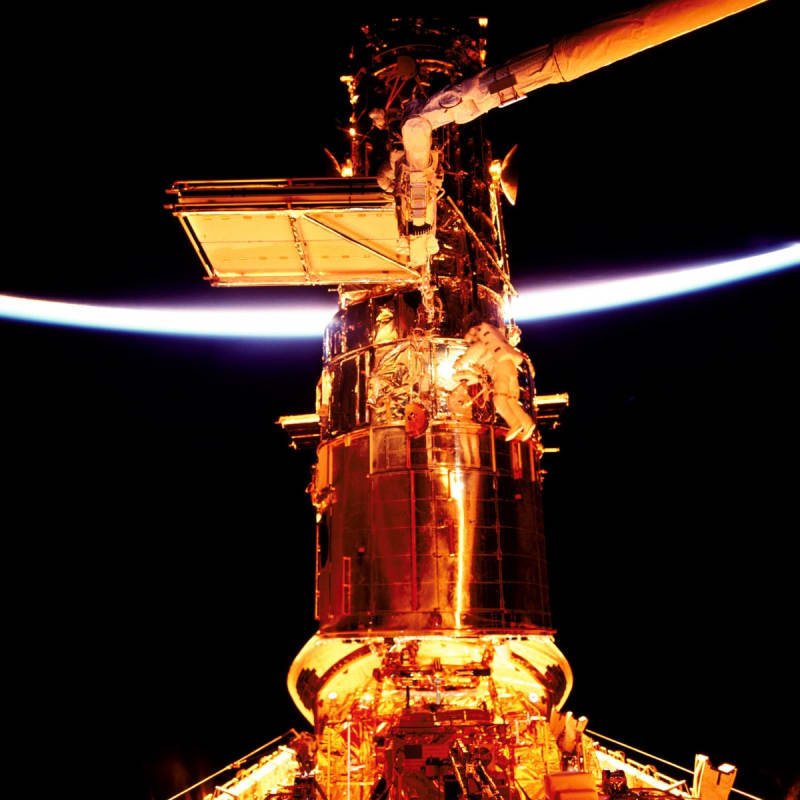
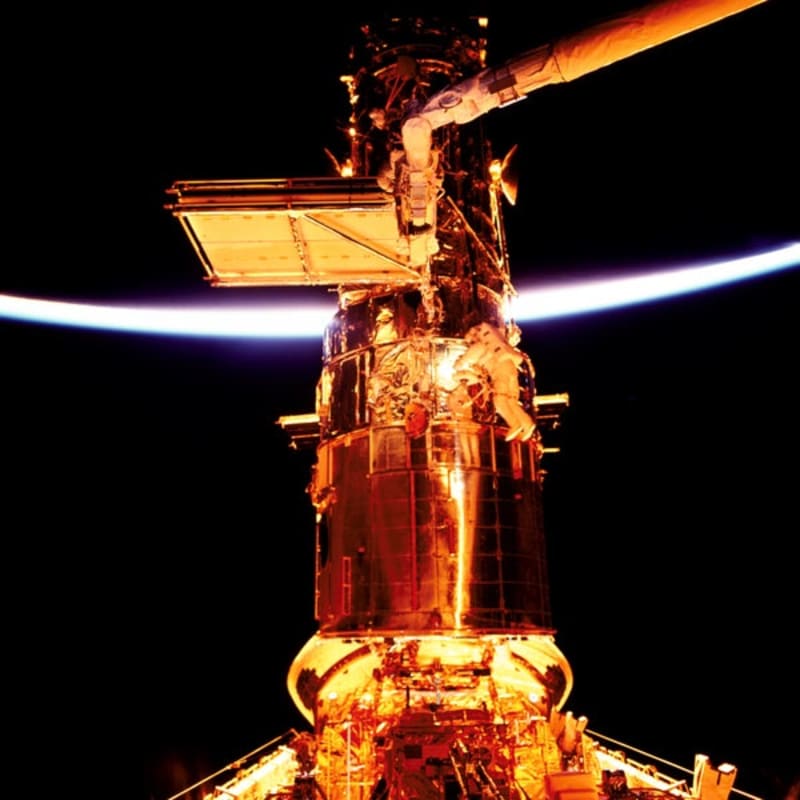
The Hubble Space Telescope blasted off aboard the space shuttle Discovery on April 24, 1990. Sitting above Earth's blurry, light-absorbing atmosphere gave this relatively small telescope superpowers that ground-based observatories could only dream of.
Hubble quickly became a scientific powerhouse. The telescope discovered that every major galaxy has a supermassive black hole at its center, tracked weather changes on distant planets, and helped scientists measure how fast the universe expands.
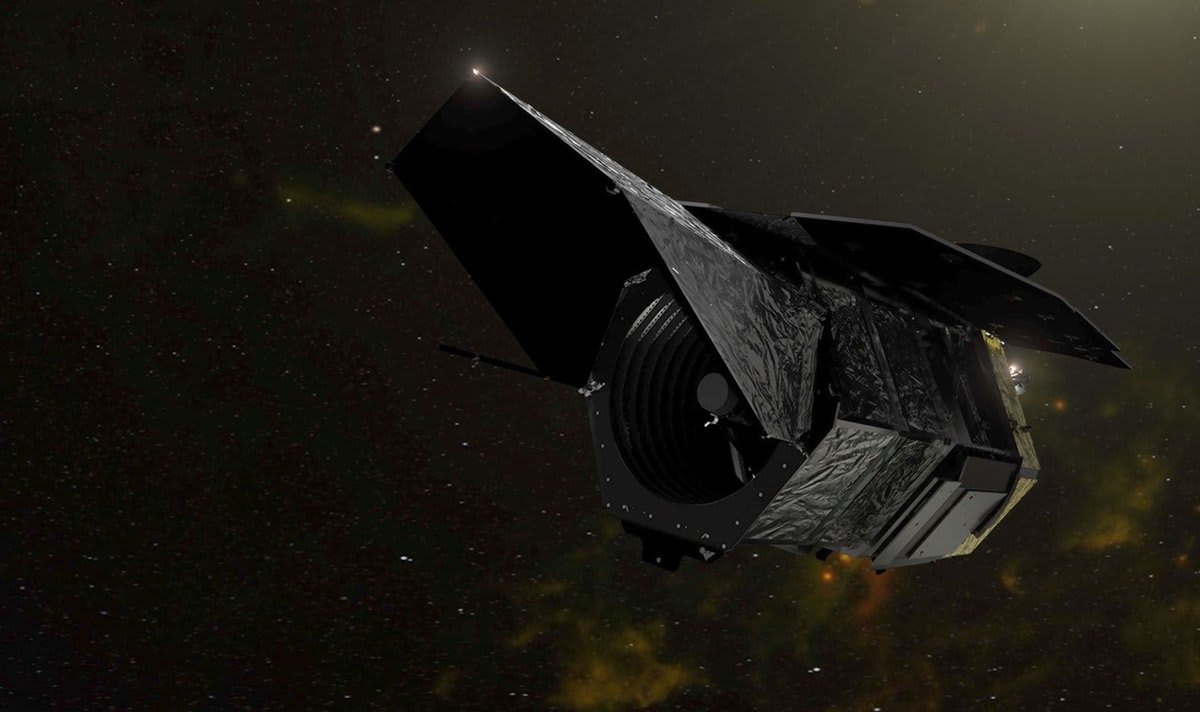
But lately, some people have been writing off Hubble as yesterday's news. They call the newer James Webb Space Telescope its "replacement." That couldn't be further from the truth.
Webb was never meant to replace Hubble. The two telescopes see different things entirely, making them perfect partners rather than competitors.
Hubble observes visible light, the same light our eyes detect. Webb focuses on infrared wavelengths, revealing different cosmic processes. While Webb's larger mirror collects seven times more light, Hubble actually beats Webb in resolution at certain wavelengths.
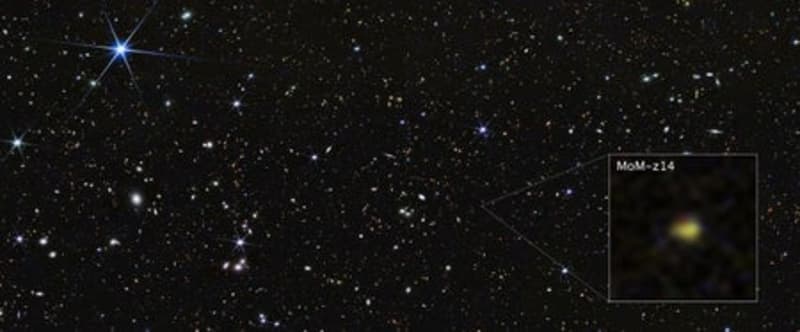
The real magic happens when both telescopes work together. Webb excels at spotting the universe's first galaxies, whose light has shifted into the infrared spectrum as they speed away from us. Hubble provides the visible light details that Webb cannot capture.
Why This Inspires
Both telescopes share surprisingly similar origin stories. Each cost about $10 billion and launched years behind schedule. Each faced enormous skepticism about whether the investment would pay off.
Hubble even launched with a flawed mirror in 1990, producing blurry images that sparked congressional hearings. Engineers fixed the problem in 1993 with corrective optics, and the telescope has been delivering stunning science ever since.
The lessons learned from Hubble's rocky start helped Webb avoid similar mistakes. When Webb finally launched in 2021 after decades of delays, it worked beautifully from day one.
Now these two observatories work side by side, each revealing cosmic secrets the other cannot see. Hubble continues breaking new ground in visible light astronomy while Webb pushes into the infrared frontier.
After 35 years in space, Hubble shows no signs of slowing down. The telescope that revolutionized astronomy is still going strong, proving that some investments in human knowledge pay dividends for generations.
More Images

Based on reporting by Scientific American
This story was written by BrightWire based on verified news reports.
Spread the positivity!
Share this good news with someone who needs it