Hubble Spots Galaxy on 200-Million-Year Journey
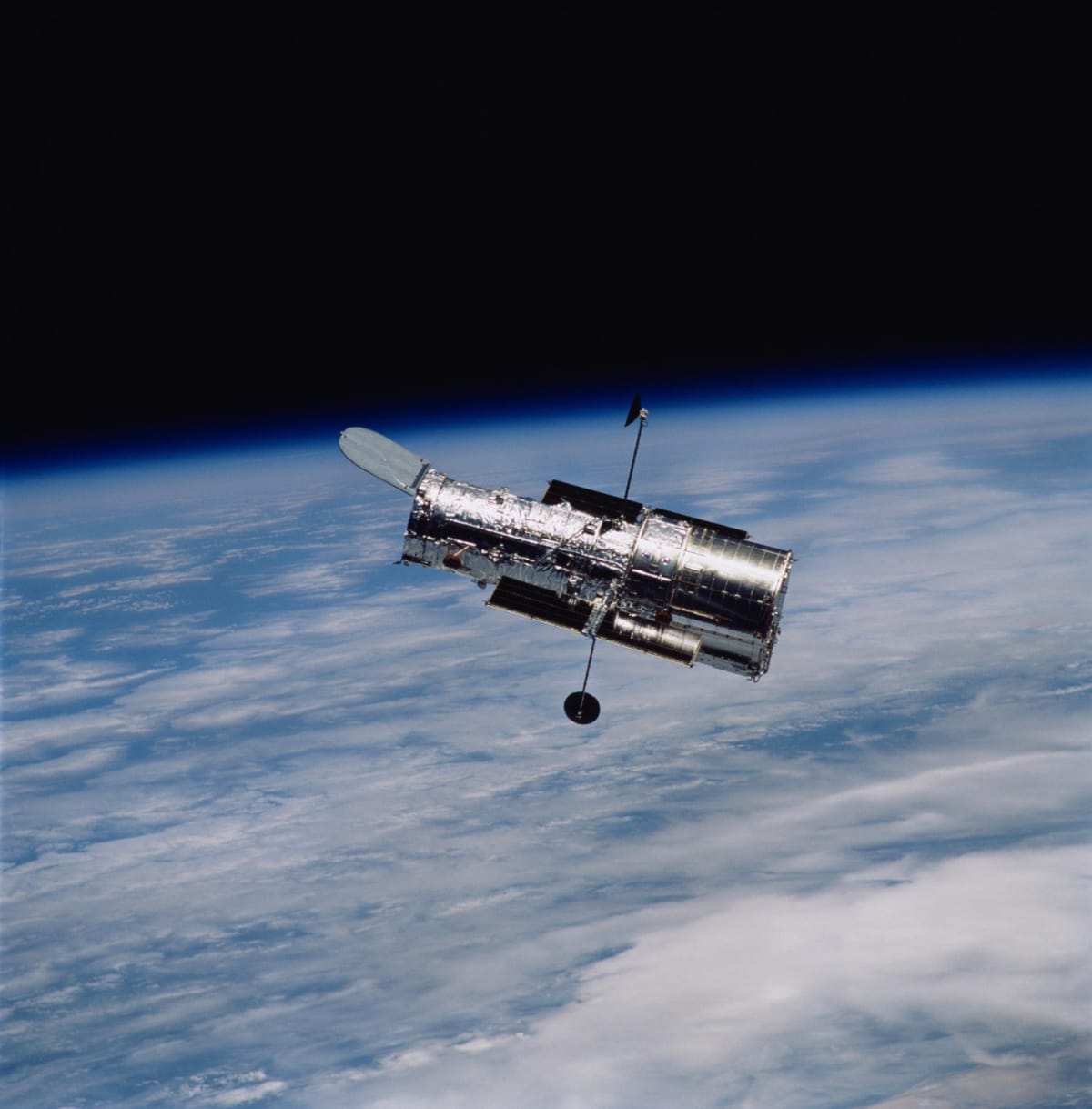
The Hubble Space Telescope captured stunning images of galaxy M88 as it embarks on an epic cosmic voyage that will reshape its future. This spiral galaxy is traveling two million light-years to reach the heart of its galactic neighborhood.
A spiral galaxy 63 million light-years away is on the road trip of a lifetime, and scientists just documented a major milestone in its journey.
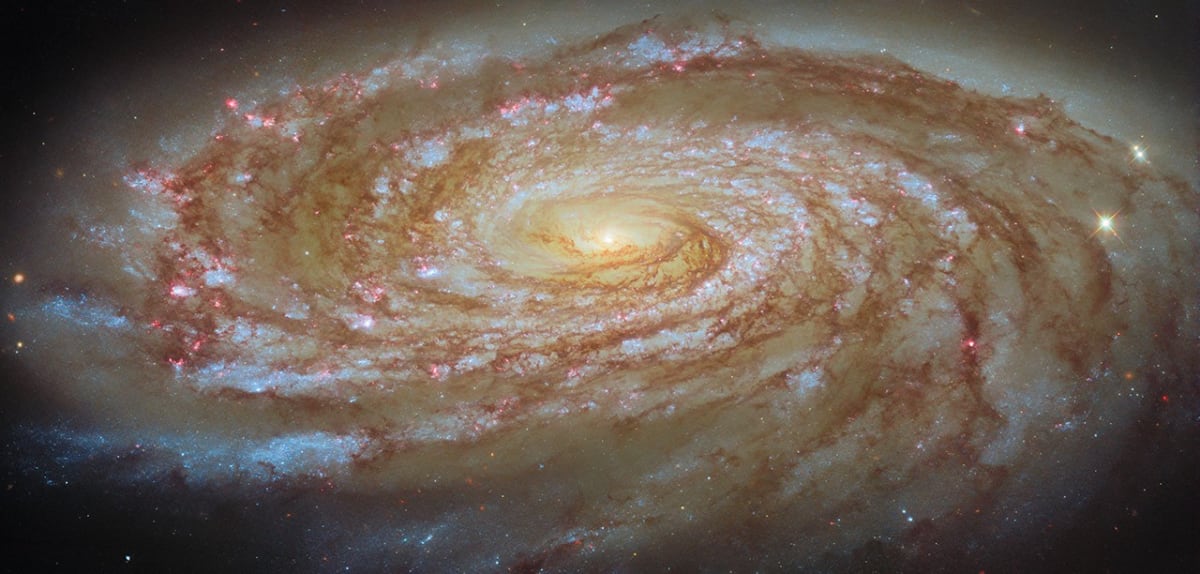
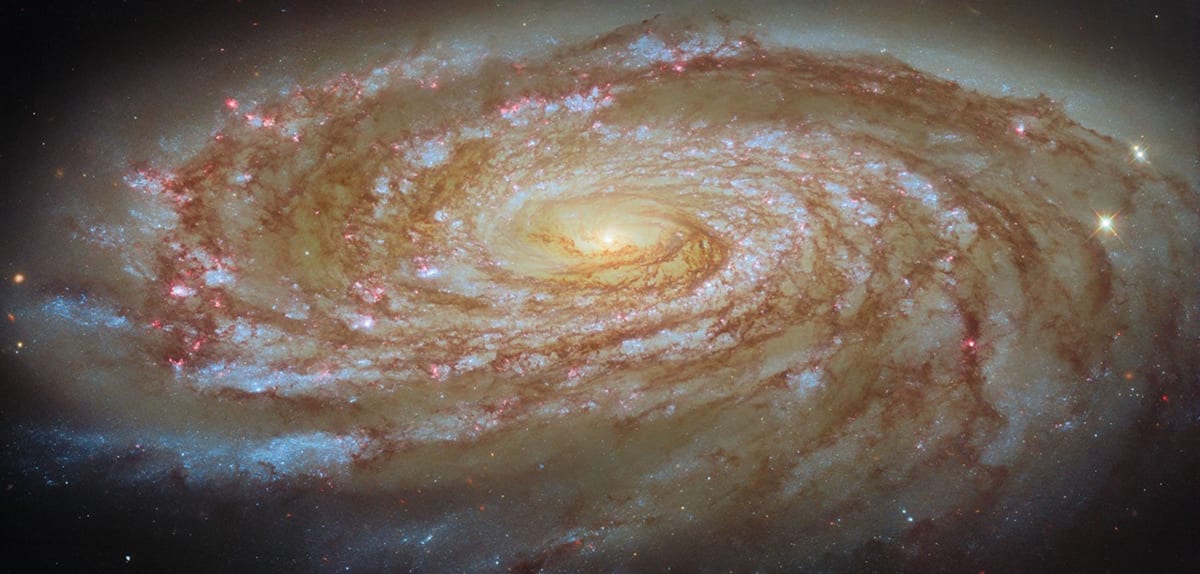
The Hubble Space Telescope recently photographed Messier 88, a beautiful spiral galaxy traveling toward the center of the Virgo Cluster, a massive collection of more than a thousand galaxies bound together by gravity. The galaxy won't reach its destination for another 200 to 300 million years, but astronomers can already see how the journey is changing it.
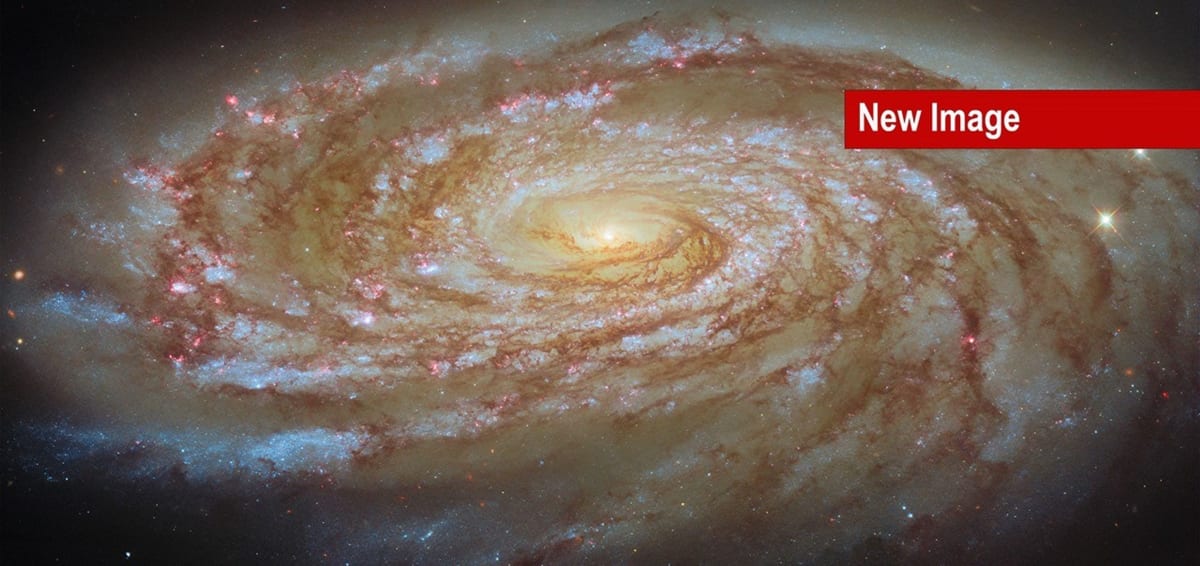
M88 sits in the constellation Coma Berenices and features tightly wound spiral arms dotted with pink and blue star clusters. At its heart glows a supermassive black hole 100 million times more massive than our Sun, surrounded by older reddish stars that give the galaxy's center a warm glow.
The galaxy is headed toward Messier 87, a gravitational giant that anchors the entire Virgo Cluster. As M88 gets closer, it will experience something called ram pressure stripping, where gas gets swept away as the galaxy pushes through the thin gas between galaxies, like wind resistance against a moving car.
Scientists can already see this process happening. The galaxy's disk of gas appears compressed on its leading edge, with material piling up like snow in front of a plow. M88 has considerably less cold gas than expected for a galaxy its size, especially around its outer edges, clear evidence that its cosmic road trip is already transforming it.
This loss of gas will fundamentally alter M88's future. Cold gas serves as the raw fuel for star formation, so as the galaxy loses this essential ingredient during its journey, its ability to create new stars will diminish dramatically over time.
Why This Inspires
Astronomers studied M88 as part of a program dedicated to understanding how spiral galaxies evolve in crowded cosmic neighborhoods. By observing individual star clusters and nebulae in galaxies tens of millions of light-years away, scientists can piece together how these epic journeys shape galactic evolution across hundreds of millions of years.
The research reveals that galaxies aren't static objects frozen in space. They're dynamic travelers on paths that transform them in profound ways, reminders that change happens everywhere in the universe, even on timescales we can barely imagine.
Watching M88's transformation helps scientists understand that every galaxy has its own story written across cosmic time.
More Images
Based on reporting by Google News - Science
This story was written by BrightWire based on verified news reports.
Spread the positivity!
Share this good news with someone who needs it