Humans and Great Apes: 15 Million Years of Shared Laughter
Scientists discovered that humans and great apes share remarkably similar laughter patterns, tracing this joyful sound back 15 million years to a common ancestor. The finding reveals that the rhythm of laughter remained unchanged across species, offering clues about how social communication evolved long before speech.
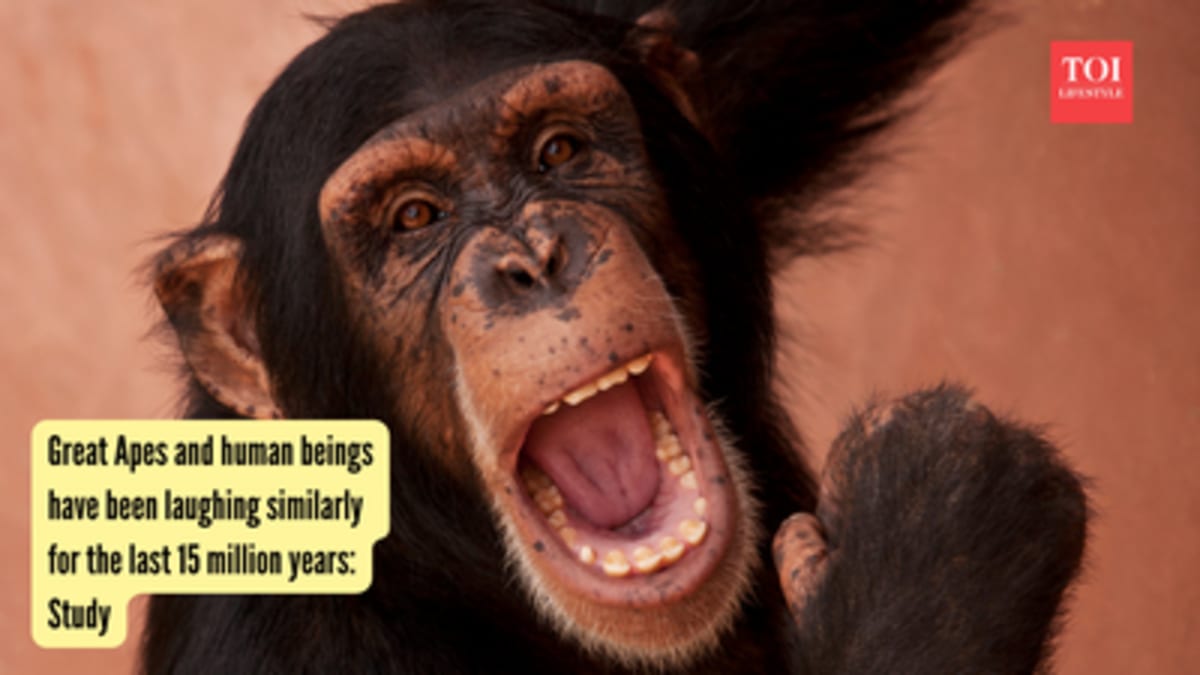
The giggle of a tickled child and the vocalization of a tickled chimpanzee have more in common than you might think. A groundbreaking study from the University of Warwick reveals that humans and great apes have been laughing in strikingly similar ways for about 15 million years.
Researchers tickled 13 captive apes and recorded their responses, then compared those sounds with the giggles of four young children being tickled and playing at home. The results were remarkable: both humans and apes followed the same rhythmic patterns, especially in the timing and spacing between sounds.
"In a way, we are very similar to other great apes because we've been laughing in a similar way for 15 million years," said study author Chiara De Gregorio, a primatologist at the University of Warwick in England. The team examined laughter from humans, chimpanzees, bonobos, gorillas, and orangutans, finding consistent patterns across all species.
Published in Communications Biology, the study suggests this shared rhythm existed in the last common ancestor of humans and great apes. Unlike speech, which only humans possess, laughter is universal among all living great apes, making it a valuable window into our evolutionary past.
While the basic structure has remained stable for millions of years, human laughter has evolved to become more flexible and nuanced. Our laughs can shift based on context, from a polite social chuckle at work to a belly laugh with close friends, showing how human social complexity has refined this ancient behavior.
Why This Inspires
This discovery reminds us that joy and social connection run deeper than culture or language. The fact that we share the rhythm of laughter with our closest evolutionary relatives points to something fundamental about who we are as social beings. Before we could speak, before we could write, we were already connecting through laughter.
The research also provides scientists with crucial clues about how human communication developed. Since sounds don't fossilize, laughter offers a rare glimpse into social expression that dates back millions of years, helping researchers understand the evolutionary path that eventually led to human speech.
The next time you hear a child's giggle or share a laugh with friends, you're participating in a tradition that stretches back through countless generations to a time when our ancestors were just learning to be social creatures. That's a connection worth celebrating.
More Images



Based on reporting by Times of India - Good News
This story was written by BrightWire based on verified news reports.
Spread the positivity!
Share this good news with someone who needs it
%2Fhttps%3A%2F%2Ftf-cmsv2-smithsonianmag-media.s3.amazonaws.com%2Ffiler_public%2F3a%2F70%2F3a7012b6-f877-41a0-a0ee-fc2251c68db7%2Fsmithsonian_feature_images_17.png)