Scientists Find 2 Ghost Ancestors Hidden in Your DNA
Every person alive today carries DNA from mysterious ancient human relatives who vanished hundreds of thousands of years ago. New research reveals traces of two unknown lineages hidden in our genes, rewriting the story of who we are.
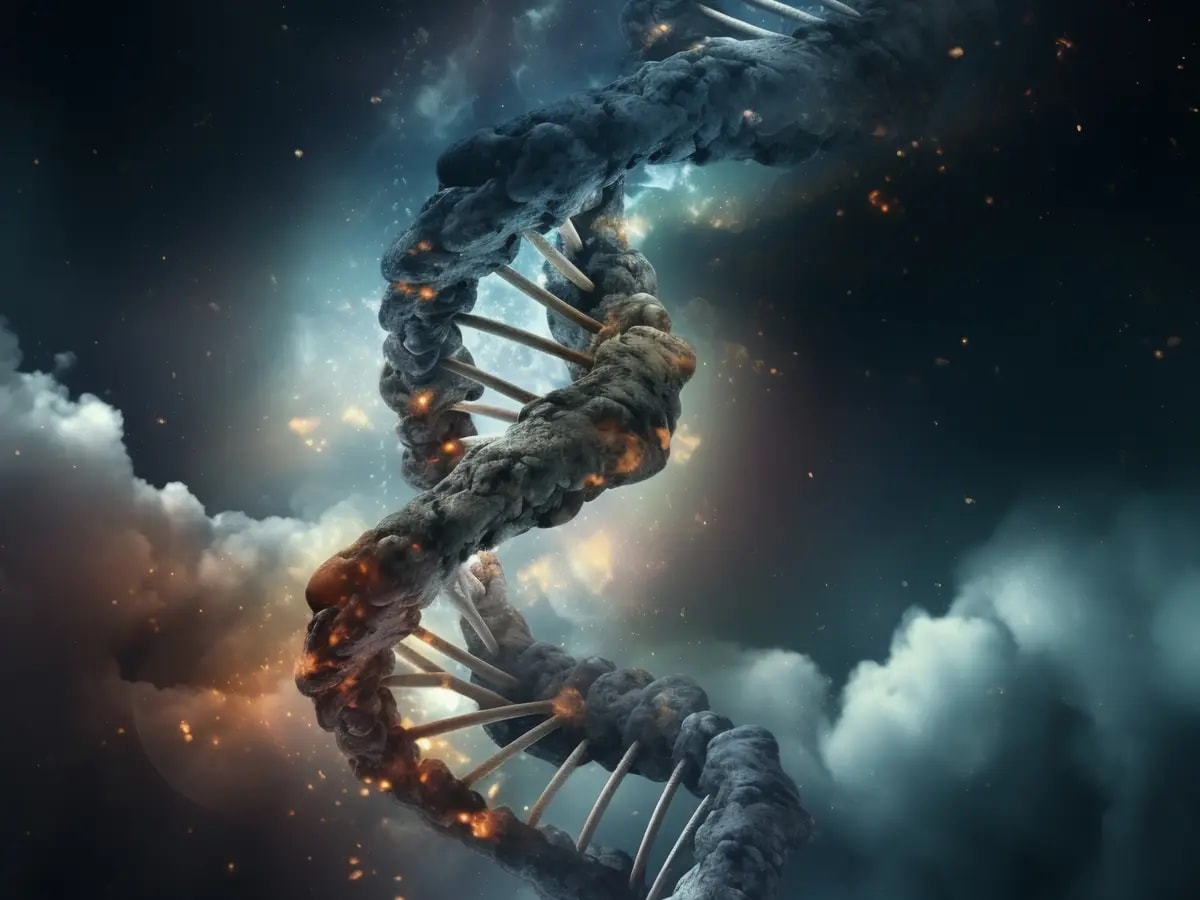
Scientists at UC Berkeley just discovered something remarkable: about 2% of your genome comes from ancient human relatives we never knew existed.
Using a breakthrough method called TRACE, researchers found genetic signatures from two mysterious "ghost" lineages that interbred with our ancestors long before recorded history. One mixed with early humans in Africa over 50,000 years ago. The other stretches back an astounding 1.8 million years.
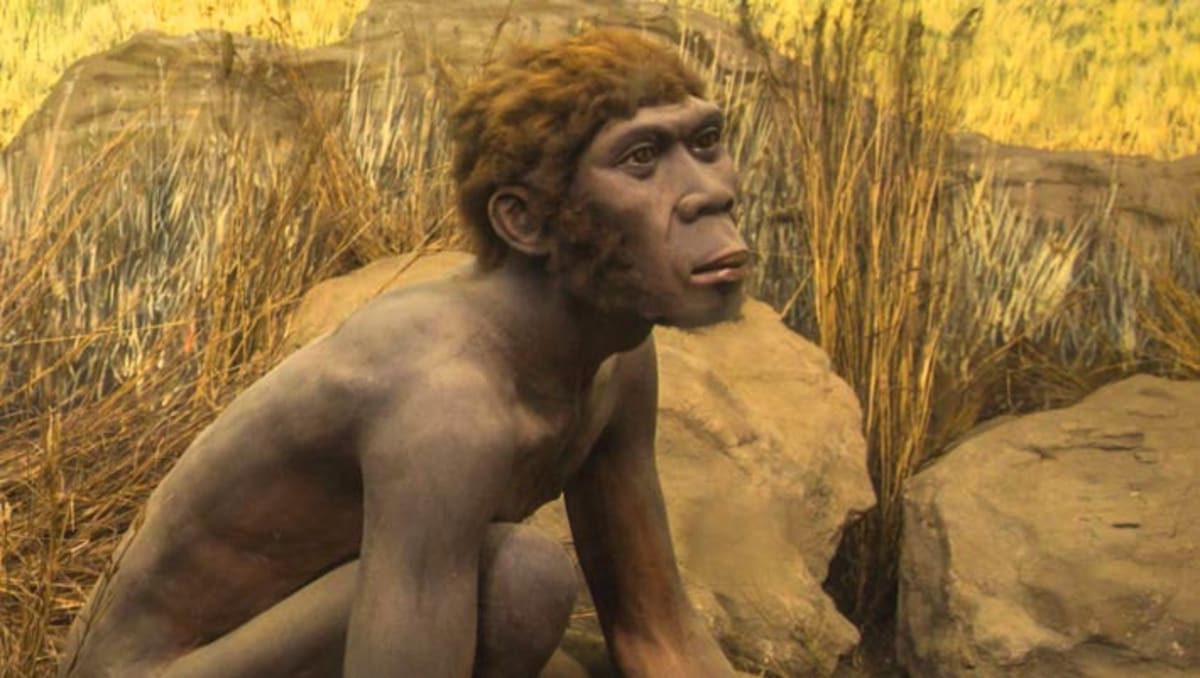
The African ghost lineage split from our family tree roughly 800,000 years ago, around the same time Neanderthals and Denisovans diverged. Then, more than 50,000 years ago, these mysterious hominins interbred with our direct ancestors before humans migrated out of Africa.
Today, every single person on Earth carries about 0.5 to 1% of their DNA from this ghost population, regardless of where their ancestors lived. Graduate student Yulin Zhang and her team actually mapped the exact genomic locations of this ancient inheritance.
The second discovery goes even deeper into time. A "super-archaic" population that lived 1.8 million years ago mixed with Denisovans in Eurasia. When Denisovans later interbred with modern humans, they passed along traces of this incredibly ancient DNA, which shows up most strongly in people from Oceania today.
What makes this research revolutionary is the method itself. Instead of relying on fossilized bones and ancient DNA, the team reconstructed genealogical relationships hidden within genomes from hundreds of living people. The technique spots DNA segments whose ancestry stretches back further than expected.
Why This Inspires
Many of these archaic DNA segments cluster in regions controlling immunity and metabolism. Our ghost ancestors may have given us genetic gifts that helped us survive new diseases, adapt to different climates, and process unfamiliar foods as humans spread across the globe.
"Interbreeding with other human groups introduced new genetic variation, providing additional raw material for natural selection," said Dr. Priya Moorjani, who worked on the study. Beneficial variants were retained and spread over many generations.
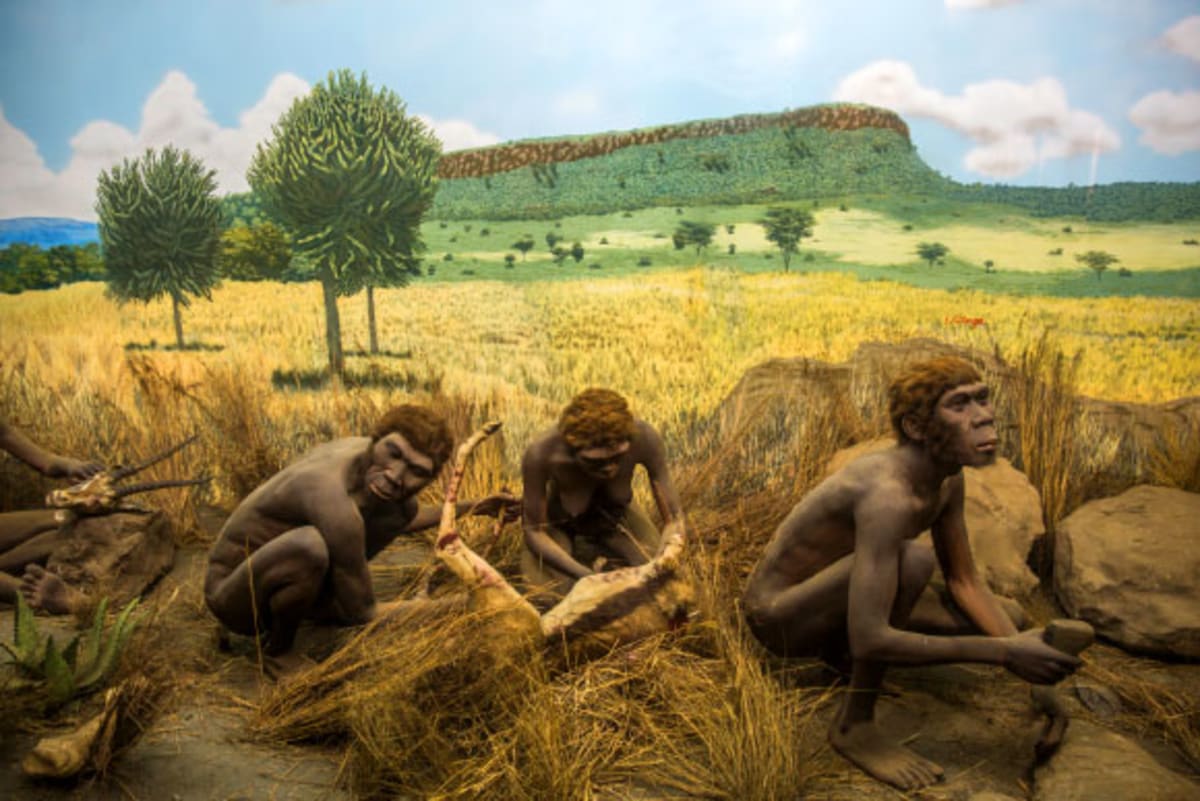
The team hopes to uncover even more hidden lineages as genome databases become more diverse. Recent protein sequences from Homo erectus fossils might even help identify who the super-archaic ancestor was.
This discovery reminds us that human evolution wasn't a simple straight line. We're all walking mosaics, carrying traces of multiple ancient populations who contributed to making us who we are today.
More Images
Based on reporting by Google News - Science
This story was written by BrightWire based on verified news reports.
Spread the positivity!
Share this good news with someone who needs it