Hybrid-Electric Plane Breaks Record at 30,000 Feet
A jet powered by NASA and GE Aerospace's hybrid-electric engine just became the first of its kind to fly above 30,000 feet, proving clean aviation isn't just a distant dream. The breakthrough could slash fuel costs for passenger planes while protecting the planet.
After more than 15 years of work that seemed impossible, a hybrid-electric powered aircraft soared past 30,000 feet for the first time in history.
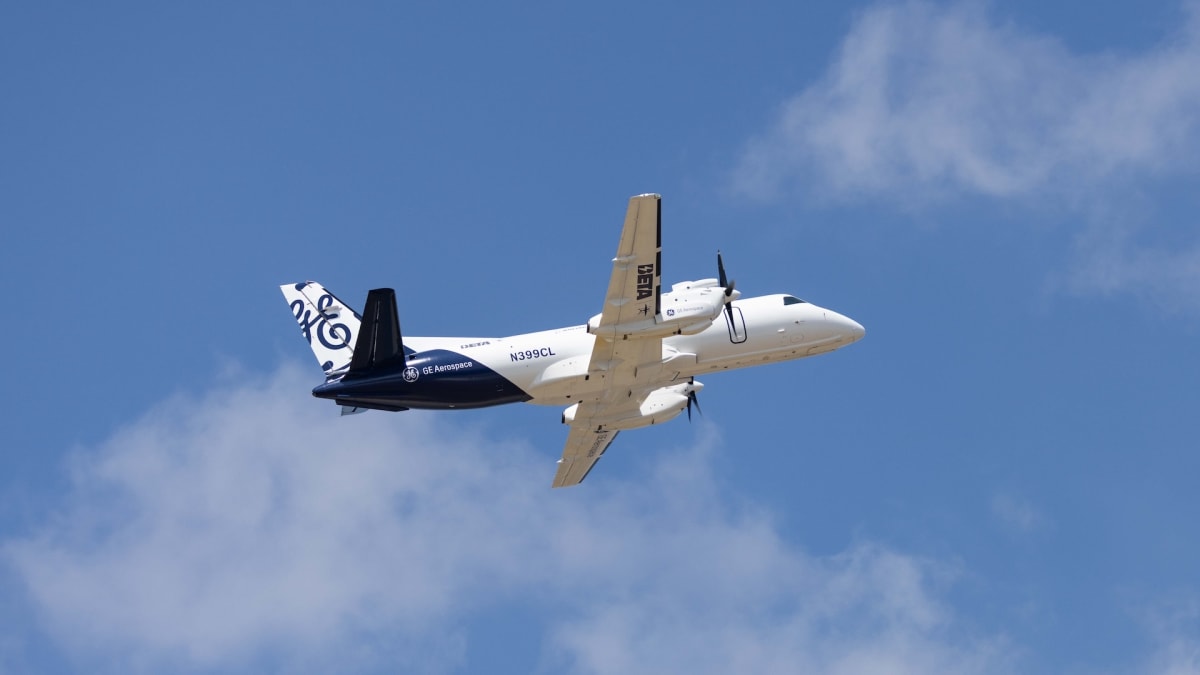
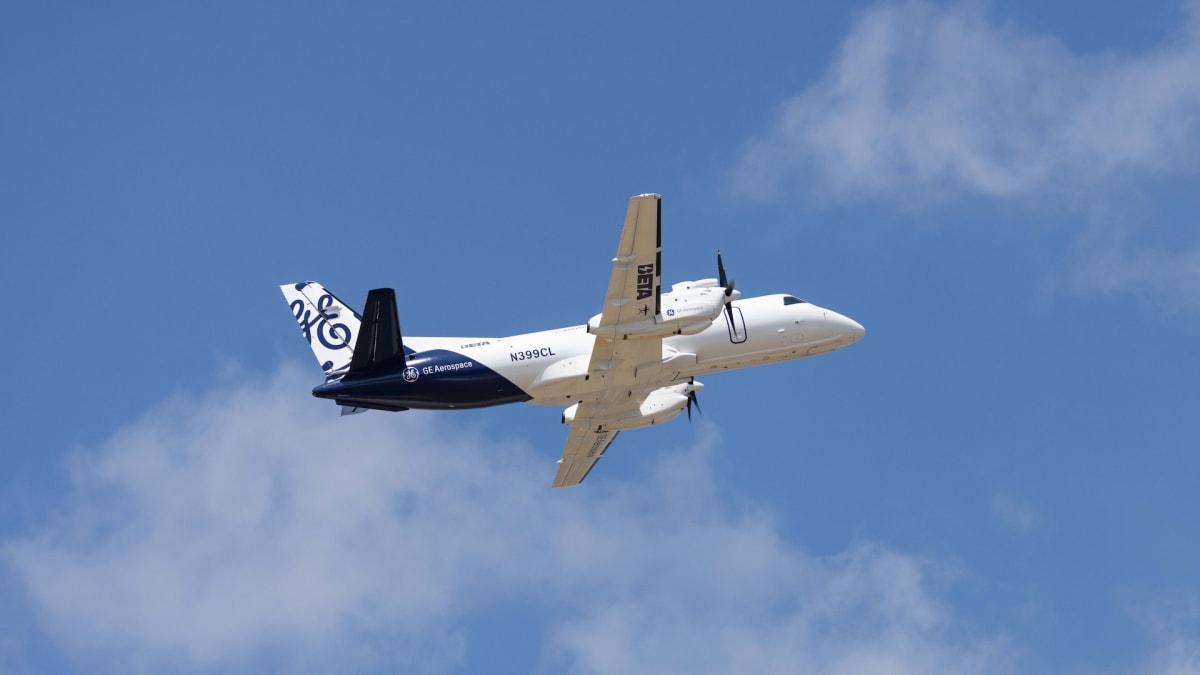
The modified Saab 340B aircraft made its public debut at the Farnborough International Air Show in the United Kingdom this July, powered by a megawatt-class hybrid-electric engine built by GE Aerospace in collaboration with NASA. The engine combines electric motors, a gas turbine, and energy storage into one system designed to power regional jets without sacrificing performance.
"This achievement reflects what NASA does best in aeronautics: we explore bold possibilities, validate them through rigorous research and testing, and work with industry to turn breakthrough ideas into technologies that bring real value for the American people," said Laurie Grindle, director of NASA's Aeronautics Division.
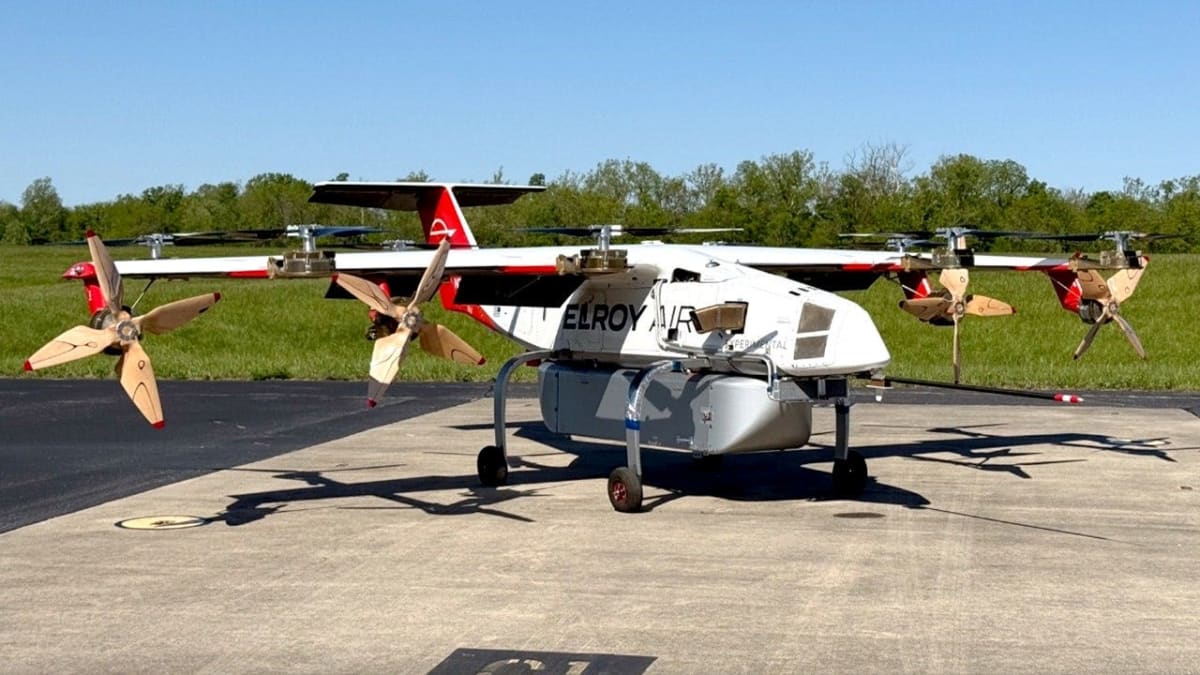
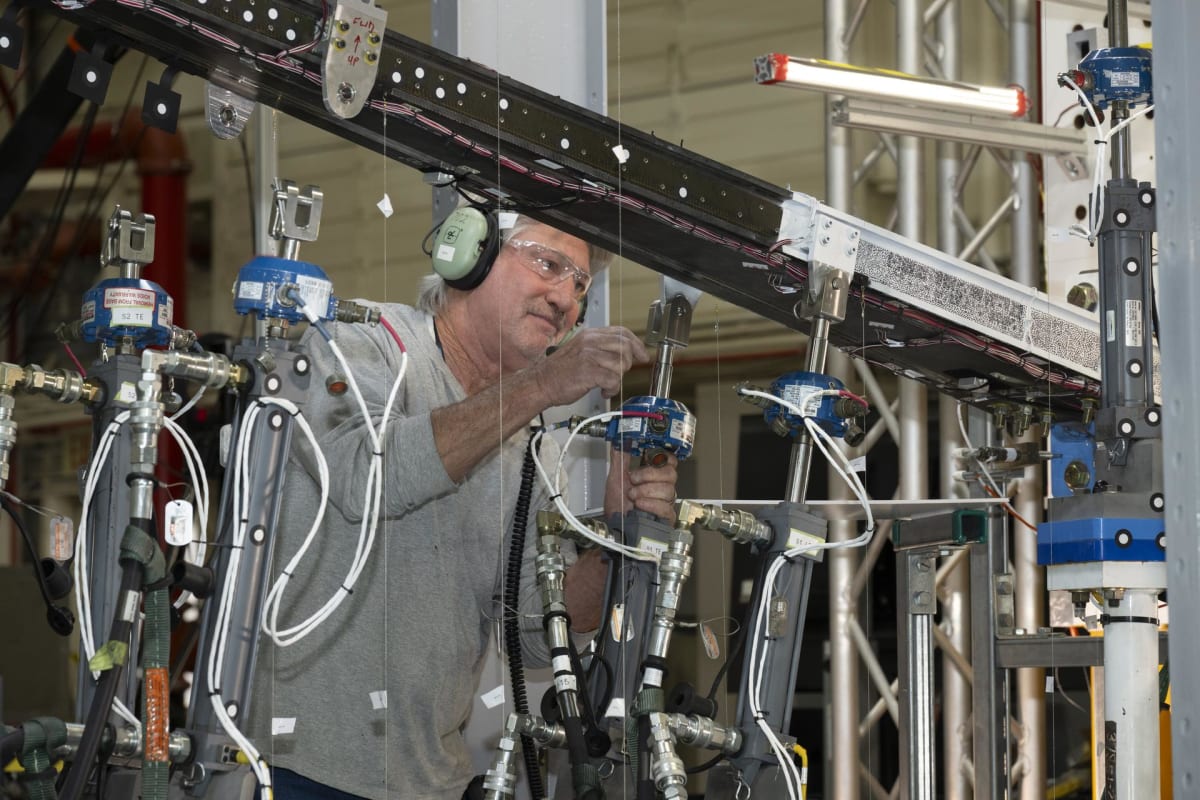
The technology took shape over years of collaborative research between NASA centers, GE Aerospace, BETA Technologies, and Boeing. Engineers at NASA's Glenn Research Center in Cleveland worked to overcome massive engineering challenges, from thermal management to battery technology to shrinking components dramatically while maintaining power output.
In 2022, the team tested the integrated propulsion system at NASA's Electric Aircraft Testbed in Sandusky, Ohio, simulating conditions at 45,000 feet where commercial aircraft typically cruise. They added electric motors, power converters, propellers, and a GE Aerospace commercial engine, then moved to ground tests before taking flight.
For Ralph Jansen, an aerospace engineer at NASA's Glenn Research Center who spent over a decade on the project, watching the plane fly was emotional. "I've got to say, I was pretty touched seeing it fly. It was just awesome," he said. "It's just like a regular plane, which is probably the best thing of all."
The Ripple Effect
This isn't just about one experimental aircraft. The engine's technology and designs will help develop future hybrid systems for commercial airlines, potentially lowering operating costs and reducing fuel consumption across the industry.
While small aircraft and drones have already gone electric with battery power, large passenger and cargo planes need engines capable of supplying massive amounts of power. When NASA first contemplated hybrid systems over a decade ago, using electric motors to supplement traditional engines seemed beyond reach.
The breakthrough validates years of preliminary research with small businesses and partners to address technological barriers. The system proves that commercial aviation can reduce its environmental footprint without compromising the reliability and performance passengers depend on.
Hundreds of people across multiple NASA centers and partner companies turned a vision that nobody believed possible into flying reality, paving the way for cleaner skies ahead.
More Images


Based on reporting by NASA
This story was written by BrightWire based on verified news reports.
Spread the positivity!
Share this good news with someone who needs it