India Brings UNESCO Park Back From Near-Total Collapse
A wildlife park declared "in danger" after poaching decimated its animals has become a conservation success story. The Greater Manas Conservation Project restored habitats, reintroduced endangered species, and gave local communities reasons to protect nature instead of exploit it.
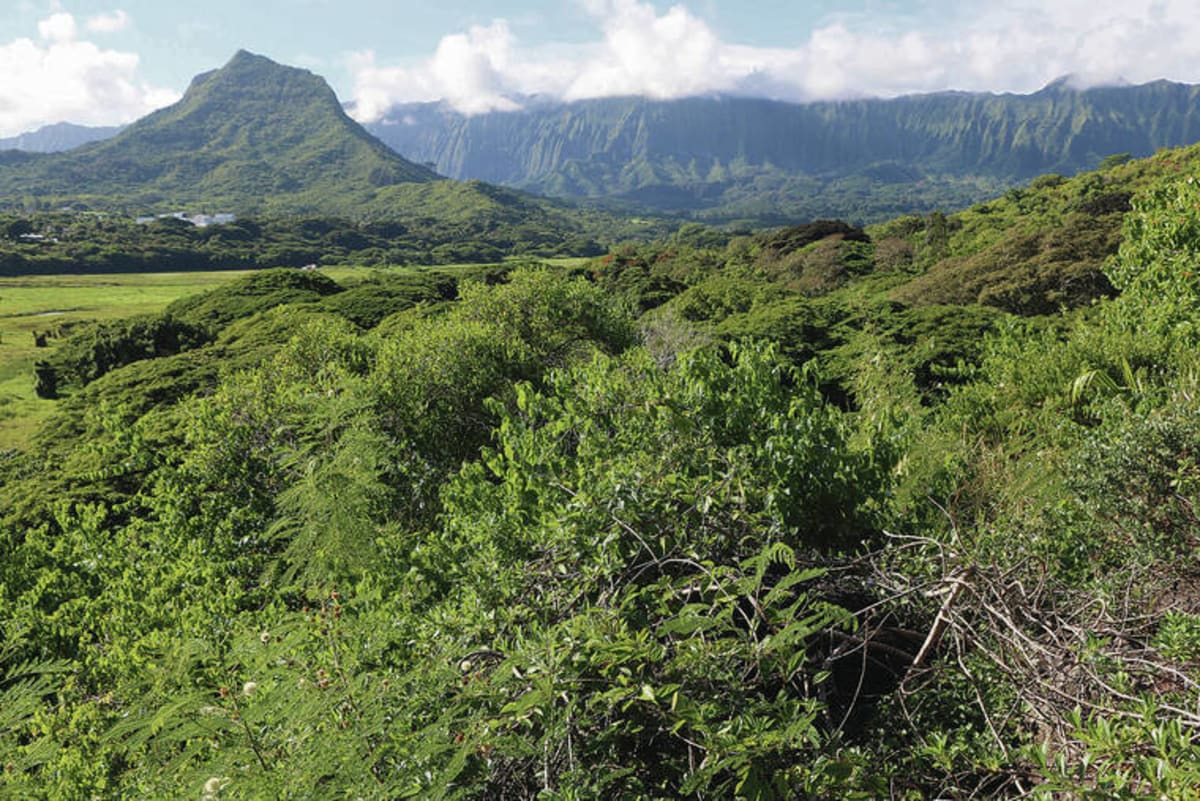
Once home to hundreds of species, Manas National Park in Assam became a poaching wasteland in the 1990s. Armed groups killed rhinos for ivory, cleared forests for settlements, and turned a UNESCO World Heritage Site into what experts called an ecological disaster zone.
But 20 years later, this protected landscape is thriving again. The Wildlife Trust of India partnered with local communities and government agencies in 2006 to launch the Greater Manas Conservation Project, expanding conservation efforts beyond the park's original borders to cover nearly 1,450 square kilometers.
The results speak for themselves. Scientists documented 24 mammal species and 270 bird species returning to healthy population levels, including Asian elephants, tigers, golden langurs, and four species of hornbill.
The project didn't just restore habitats. It made history by successfully rehabilitating three orphaned greater one-horned rhinoceros calves from Kaziranga National Park and relocating them to Manas, giving the species a critical second home.
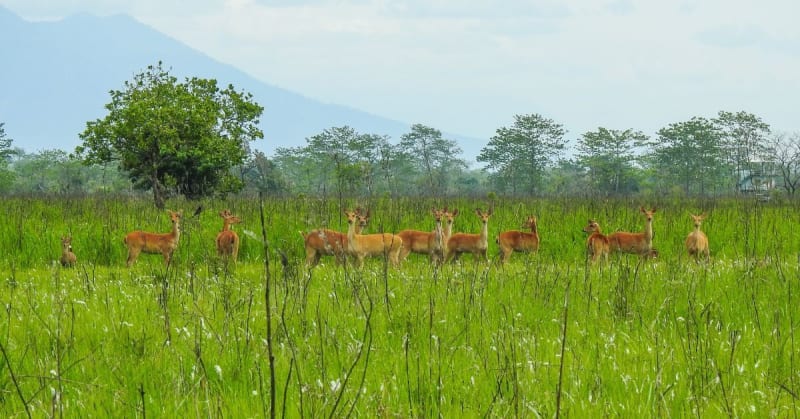
Wildlife teams also translocated 36 eastern swamp deer between 2014 and 2017, establishing a backup population after the animals nearly vanished from the region during the years of conflict.
Researchers even spotted a melanistic rhesus macaque in 2021, the first ever recorded in Manas. The rare genetic condition causing dark pigmentation had only been seen once before in all of India.
The Ripple Effect
The project succeeded because it gave local communities better options than poaching and forest encroachment. Conservation teams worked with farmers living along the forest edges to improve cultivation of spine gourd, a valuable cash crop that provides income without destroying habitats.
By teaching sustainable farming practices and reducing pesticide use, the project increased farmer productivity while protecting the biodiversity that depends on healthy ecosystems. Families who once relied on forest resources now have thriving businesses that benefit from conservation rather than conflict with it.
The effort paid off internationally too. In 2011, UNESCO removed Manas from its "World Heritage in Danger" list, recognizing the remarkable recovery of one of India's most important ecological landscapes.
Today, the park stands as proof that even severely damaged ecosystems can heal when communities, governments, and conservation organizations work together toward shared goals.
More Images
%2Fenglish-betterindia%2Fmedia%2Fmedia_files%2F2026%2F02%2F11%2Fmanas-national-park-2026-02-11-11-58-44.jpg)
%2Fenglish-betterindia%2Fmedia%2Fmedia_files%2F2025%2F11%2F20%2Fwild-at-heart-banner-image-microsite-banner-2025-11-20-16-17-04.jpg)
%2Fenglish-betterindia%2Fmedia%2Fmedia_files%2F2026%2F02%2F10%2Fmanas-national-park-2026-02-10-18-48-20.jpg)
%2Fenglish-betterindia%2Fmedia%2Fmedia_files%2F2026%2F02%2F10%2Fmanas-national-park-1-2026-02-10-18-52-46.jpg)
Based on reporting by Google News - Wildlife Recovery
This story was written by BrightWire based on verified news reports.
Spread the positivity!
Share this good news with someone who needs it