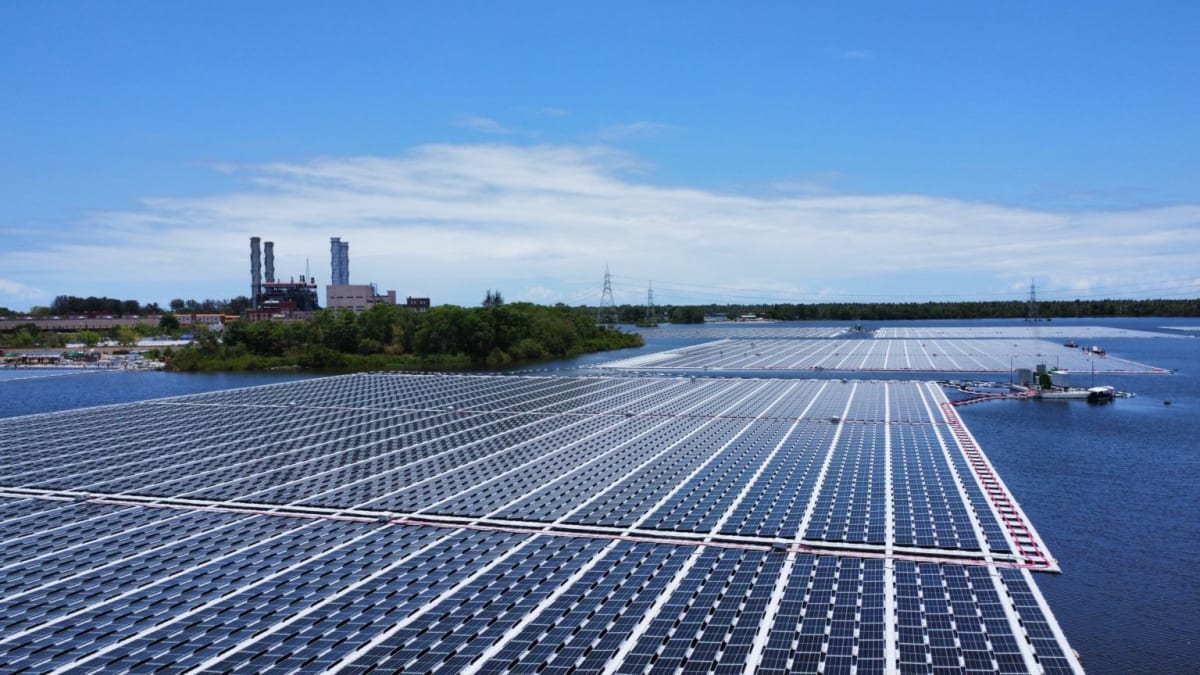
India Unlocks 102 GW of Floating Solar Potential
India just mapped enough floating solar potential to power millions of homes without using a single acre of land. The breakthrough could transform how the world's most populous nation generates clean energy.
India has discovered it can generate 102 gigawatts of clean energy by placing solar panels on its lakes and reservoirs, enough to power roughly 100 million homes without touching precious farmland or forests.
The National Institute of Solar Energy spent months analyzing over 10,000 square kilometers of water bodies across the country. They identified lakes and reservoirs perfect for hosting floating solar panels while still protecting fish populations and water quality.
The assessment focused on practical sites that already have roads and electrical infrastructure nearby. Researchers only considered water bodies larger than 25 acres with year round water, keeping installations to just 20% of each surface to protect ecosystems and local fishing communities.
Maharashtra leads the way with potential for 16.28 gigawatts, followed by Madhya Pradesh, Karnataka, Odisha, and Telangana. Together, these five states could generate over 68 gigawatts of the total potential.
The timing couldn't be better. India's Minister for New and Renewable Energy announced the government is already preparing a dedicated program to fast track floating solar projects nationwide.
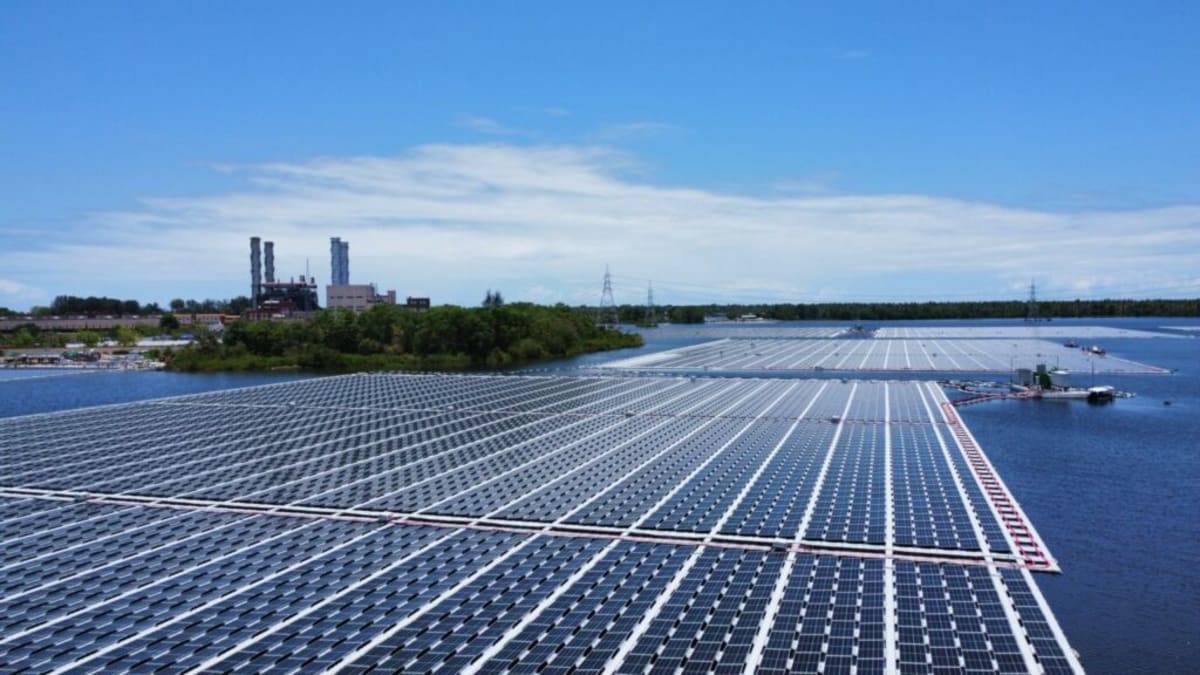
Floating solar offers unique advantages over traditional ground mounted panels. The water naturally cools the panels, making them more efficient. The panels also reduce water evaporation from reservoirs, a crucial benefit in a country where water scarcity affects millions.
This discovery pushes India's total solar potential to an astounding 3,445 gigawatts when combined with ground mounted options. That's more than enough to meet the country's entire energy needs many times over.
The Ripple Effect
This floating solar boom could reshape renewable energy deployment worldwide. Countries from Southeast Asia to Africa face similar challenges, needing more clean power without sacrificing agricultural land. India's detailed roadmap shows exactly how to survey water bodies, protect ecosystems, and build floating solar at scale.
The technology also creates new jobs in rural areas where these reservoirs sit. Local communities benefit from construction work, ongoing maintenance, and the economic activity that follows reliable electricity.
For a nation racing to balance energy security with climate commitments, floating solar offers a winning solution that uses space previously considered off limits for development.
India just showed the world that the path to clean energy doesn't always require choosing between nature and progress.
More Images


Based on reporting by PV Magazine
This story was written by BrightWire based on verified news reports.
Spread the positivity!
Share this good news with someone who needs it