Indian Hospital Network Adds AI to Speed Up X-Ray Reports
Manipal Hospitals is using Australian AI technology to help radiologists read chest X-rays faster and catch more details across its 49-hospital network serving 8 million patients yearly. The system creates draft reports that doctors review, cutting wait times while maintaining quality care.
Millions of patients across India will get their chest X-ray results faster thanks to a new partnership between one of the country's largest hospital networks and an AI healthcare company.
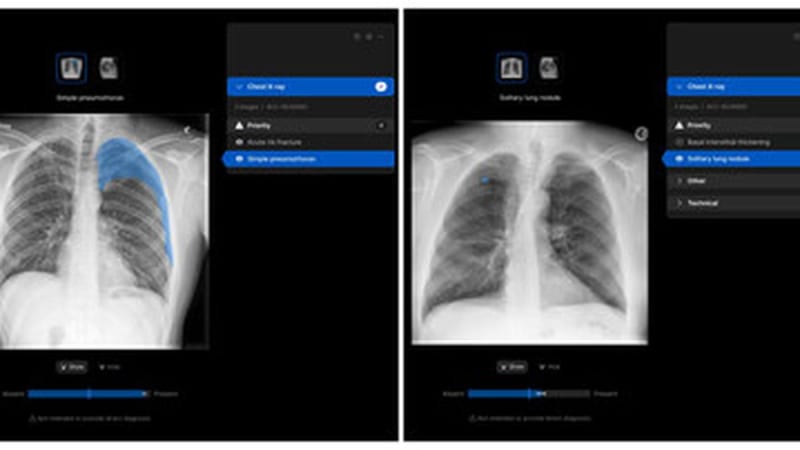
Manipal Hospitals, which operates 49 hospitals across 24 Indian cities, has started using Harrison.ai's chest X-ray analysis system to help radiologists manage their workload. The technology assists doctors by creating draft reports and flagging potential issues that need attention.
The timing matters. Chest X-rays make up more than half of all imaging tests at Manipal facilities, with scans flooding in from emergency rooms, health checkups, and intensive care units. With 8 million patients walking through their doors each year, even small improvements in efficiency can help thousands of people get answers sooner.
The AI system can detect and locate close to 125 different findings in chest X-rays. It acts like a second pair of eyes, helping ensure subtle details don't get missed during busy shifts. But the final call always stays with human doctors, who review and approve every report before it reaches patients.
Dr. Sudarshan Rawat, who leads radiology at Manipal Hospital Old Airport Road, explained the approach. "AI-assisted reporting functions as a second reader making sure even the most subtle findings are not missed, while helping us deliver timely reports to patients," he said.
The hospital network tested the system using sample data before rolling it out. The trial showed it could speed up reporting workflows while maintaining consistent quality across their large operation.
The Ripple Effect
This partnership represents more than faster reports at one hospital chain. It shows how AI can support healthcare workers without replacing their expertise, especially in countries where medical resources are stretched thin.
Harrison.ai's technology is already used by over 3,400 clinicians worldwide and has helped more than 7 million patients. In Australia, half of all radiologists use their tools. The system has regulatory approval in India and Europe, meeting strict standards for medical devices.
The collaboration reflects a growing trend of hospitals adopting AI as an assistant rather than a replacement. Radiologists still make all final decisions, but the technology handles time-consuming tasks like identifying potential problems and generating initial drafts.
For patients, the benefits are concrete: shorter waits for results, reduced chances of missed findings, and more consistent care quality across different locations and times of day. In emergency situations, faster reporting can mean quicker treatment decisions.
As healthcare systems worldwide face increasing demand and staffing challenges, this model of human-AI teamwork offers a path forward that keeps doctors in control while helping them work more efficiently.
Based on reporting by The Hindu
This story was written by BrightWire based on verified news reports.
Spread the positivity!
Share this good news with someone who needs it