Indian Scientist Maps 65,000 Years of DNA History
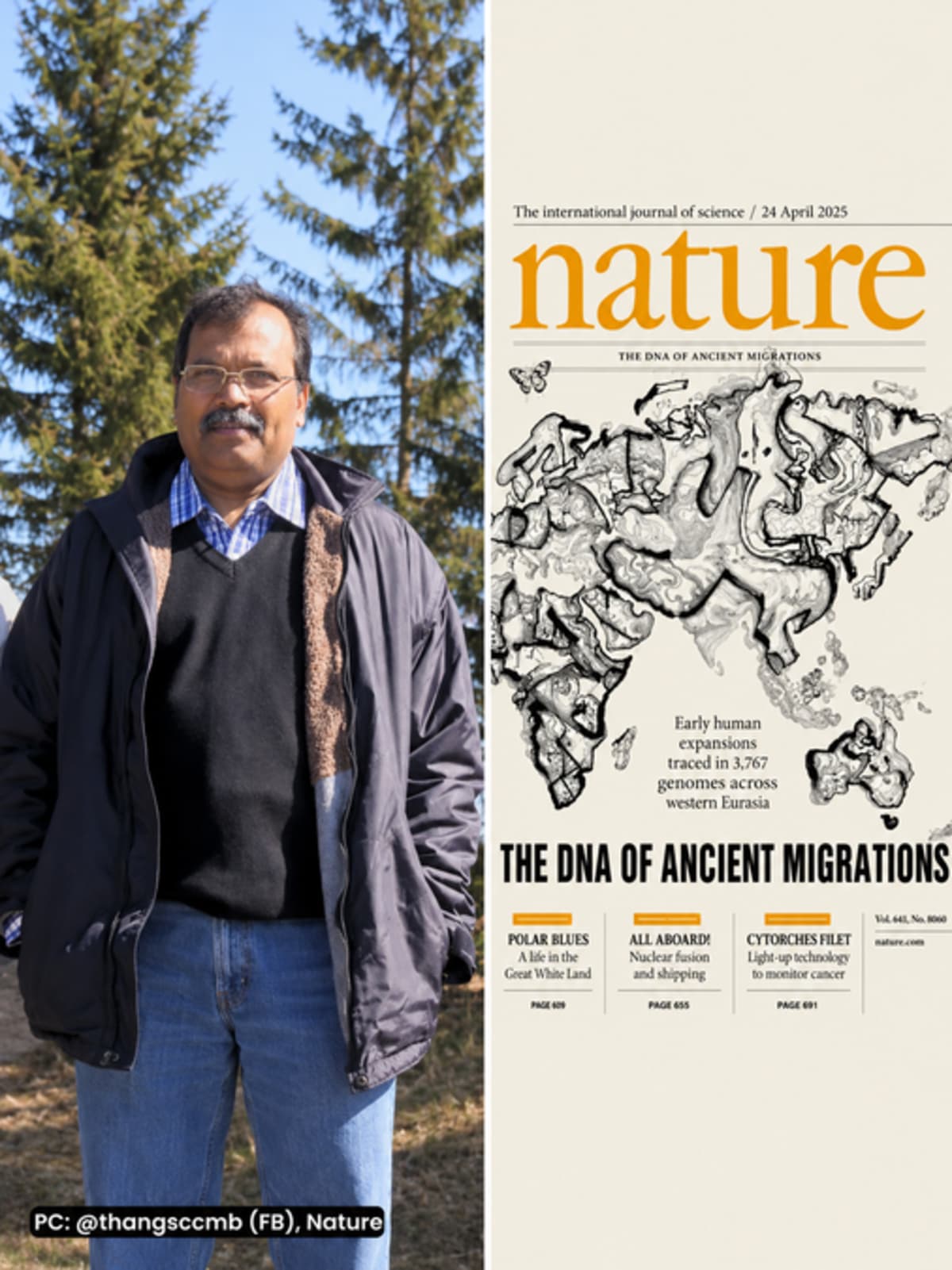
Dr Kumarasamy Thangaraj journeyed to remote islands and collected blood samples that revealed India's earliest human story. His work traced ancestry back 65,000 years and now helps prevent genetic diseases.
A few drops of blood from isolated island tribes just rewrote 65,000 years of human history in India.
Dr Kumarasamy Thangaraj, a geneticist recently awarded the Padma Shri, spent decades asking one stubborn question: who were the first people to reach the Andaman Islands? For over a century, colonial scholars had guessed based on appearance alone, linking the tribes to African groups without proof.
In the early 2000s, Thangaraj left his Hyderabad lab and traveled 1,300 kilometers by air, ship, and road to meet some of Earth's most isolated communities. He approached the Great Andamanese and Onge tribes through interpreters, explaining that their blood could unlock a crucial chapter of India's story.
The tribes knew nothing about genes, but they understood exchange. In return for food, they offered their arms for needle pricks that would change science.
Back in the lab, the mitochondrial DNA revealed something extraordinary. The Andamanese were neither recent African migrants nor Southeast Asians, but descendants of one of the earliest human populations to leave Africa around 65,000 years ago.
These ancestors survived the unthinkable. Around 73,000 years ago, the Toba supervolcano erupted, covering the Indian subcontinent in ash and plunging the world into freezing temperatures. Small groups endured, adapted, and moved along coastal routes from Arabia to the Andamans.
The Nicobarese arrived much later, around 18,000 years ago. On the mainland, these ancient migrations eventually mixed just 2,000 to 4,000 years ago, creating the vast genetic diversity seen across North and South India today.
Why This Inspires
Thangaraj's work reaches far beyond ancient history into living rooms today. Generations of marriage within close communities increased the risk of inherited genetic diseases. By identifying specific mutations, his research now helps families prevent conditions before children are born.
Under his guidance, the Centre for DNA Fingerprinting and Diagnostics has sequenced 10,000 Indian genomes across castes, tribes, and regions. This creates a genetic reference built for India's diversity, not borrowed from populations elsewhere.
The smallest samples can carry the biggest truths. Dr Thangaraj proved that understanding where we came from helps protect where we're going, one drop of blood at a time.
Based on reporting by The Better India
This story was written by BrightWire based on verified news reports.
Spread the positivity!
Share this good news with someone who needs it