Indian Women Turn Radio Mics Into Empowerment Tools
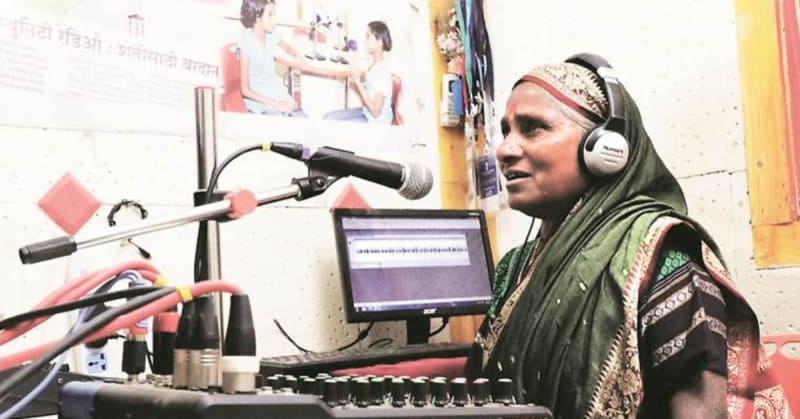
Across rural India, women who never used microphones before now run community radio stations that reach 400,000+ people. These grassroots broadcasters are tackling everything from healthcare to farming in local dialects, putting storytelling back in community hands.
In villages across India, women who once stayed silent are now the voices their communities trust most.
Since 2008, community radio stations run entirely by local women have transformed how rural Indians access information, make decisions, and see themselves. These aren't slick broadcasts from distant cities. They're neighbors talking to neighbors about what matters most.
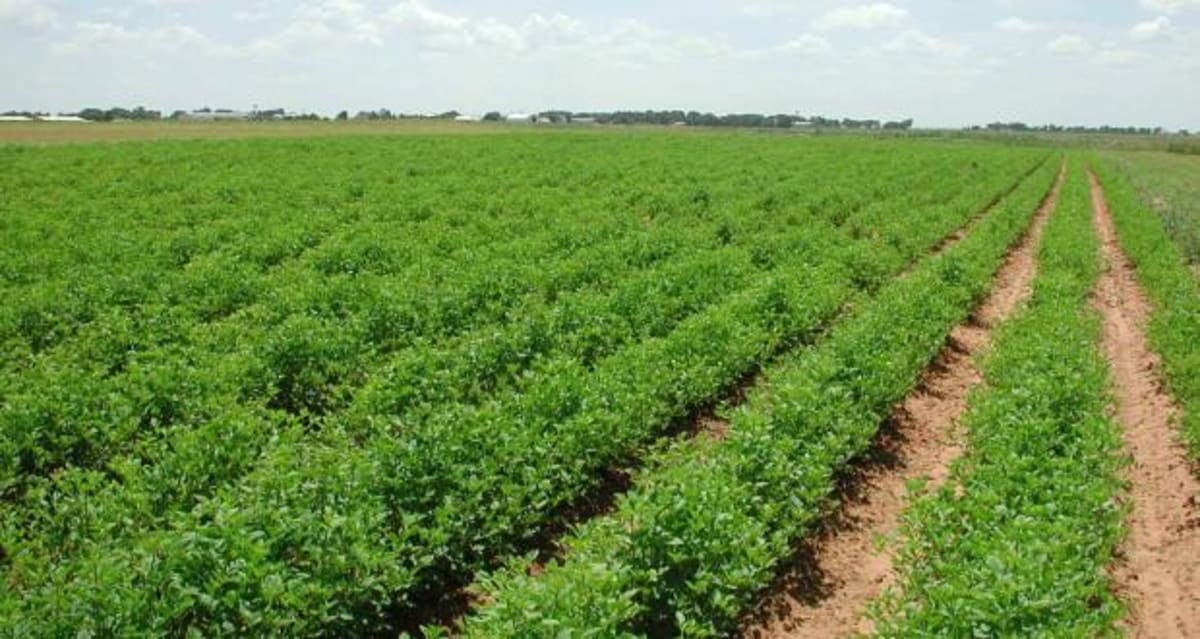
Sangham Radio in Telangana made history as India's first all-women community station. Launched by the Deccan Development Society, it's run entirely by Dalit women who produce programs in Telugu on sustainable farming, nutrition, and women's rights. Many had never touched a microphone before taking control of the airwaves.
The impact reaches far beyond broadcasting. For women facing both caste and gender barriers, the microphone became a tool of dignity that challenged old hierarchies while strengthening village decision-making.
In Haryana's Mewat region, Radio Mewat started with just two hours of programming in 2010. Today it broadcasts 14 hours daily, shaped entirely by community needs. The station uses local dialects to discuss topics once considered taboo, from girls' education to maternal health.
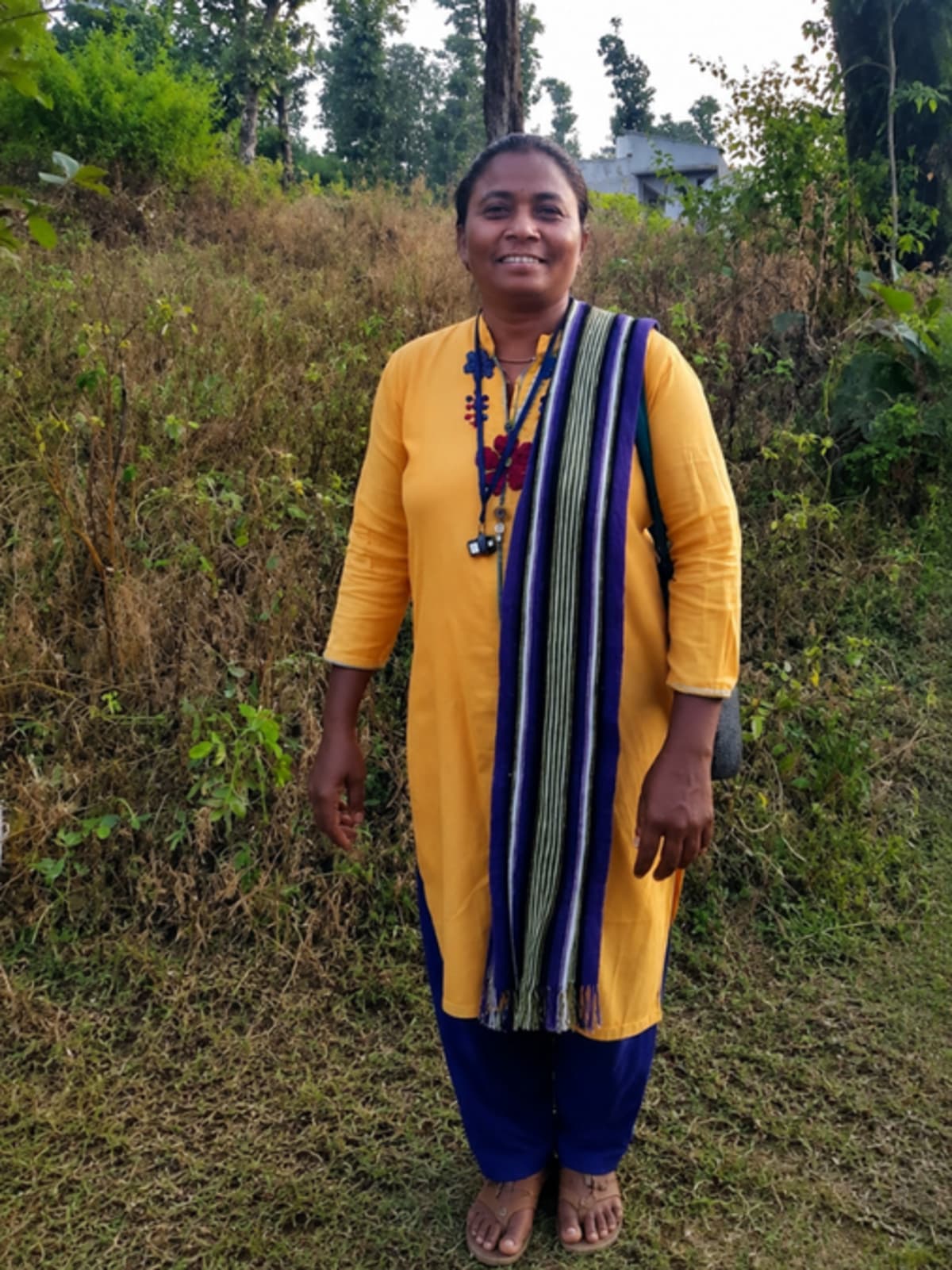
Radio Bundelkhand in Madhya Pradesh took a different approach by training villagers as reporters. Young girls, farmers, and local leaders help design programs that reflect their lives. Popular shows include "Kaun Banega ShubhKal Leader" on climate adaptation and "Bundeli Idol" celebrating folk music.
The station now reaches over 400,000 people across 150 villages. Listeners don't just tune in for information anymore. They participate in local governance and preserve their cultural heritage through programming they help create.
Gujarat's Radio Ujjas, run by the Kutch Mahila Vikas Sangathan since 1999, proved especially vital during crises. When the 2002 Gujarat earthquake struck, women broadcasters became trusted voices sharing critical information. Many of these women can't read or write, yet they produce radio serials, document folk music, and tackle issues from climate change to domestic violence.
The Ripple Effect
These stations reveal what happens when media stops talking about communities and starts letting communities talk. Trust builds where outside interventions once failed. Girls stay in school longer when education feels like a local conversation, not an imposed rule.
The model works because it prizes relevance over reach. Programs address real problems in familiar voices and local languages, allowing complexity to exist without being simplified into soundbites meant for distant audiences.
From Telangana to Gujarat, the same pattern emerges. Give people microphones and training, and they'll create programming that actually changes lives. They'll preserve languages, strengthen leadership, and make information accessible to those who need it most.
In a world of screens and algorithms, these radio stations prove the oldest technology can still spark the newest hope.
More Images
%2Fenglish-betterindia%2Fmedia%2Fmedia_files%2F2026%2F02%2F09%2Fcommunity-radio-india-2026-02-09-15-10-59.png)
%2Ffilters%3Aformat(webp)%2Fenglish-betterindia%2Fmedia%2Fmedia_files%2F2026%2F02%2F09%2Fcommunity-radio-india-2026-02-09-15-13-39.png)

%2Ffilters%3Aformat(webp)%2Fenglish-betterindia%2Fmedia%2Fmedia_files%2F2026%2F02%2F09%2Fcommunity-radio-india-2026-02-09-15-11-54.png)
Based on reporting by The Better India
This story was written by BrightWire based on verified news reports.
Spread the positivity!
Share this good news with someone who needs it