India's Asiatic Lions Rebound from 12 to Nearly 900
In one of conservation's greatest comeback stories, India's Asiatic lion population has surged to 891 animals, up from barely a dozen in the late 1800s. Now Gujarat faces a new challenge: helping humans and these magnificent predators share the same landscape.
For most of the world, saving lions means fighting extinction. India has the opposite problem: figuring out how to live with a species that refuses to disappear.
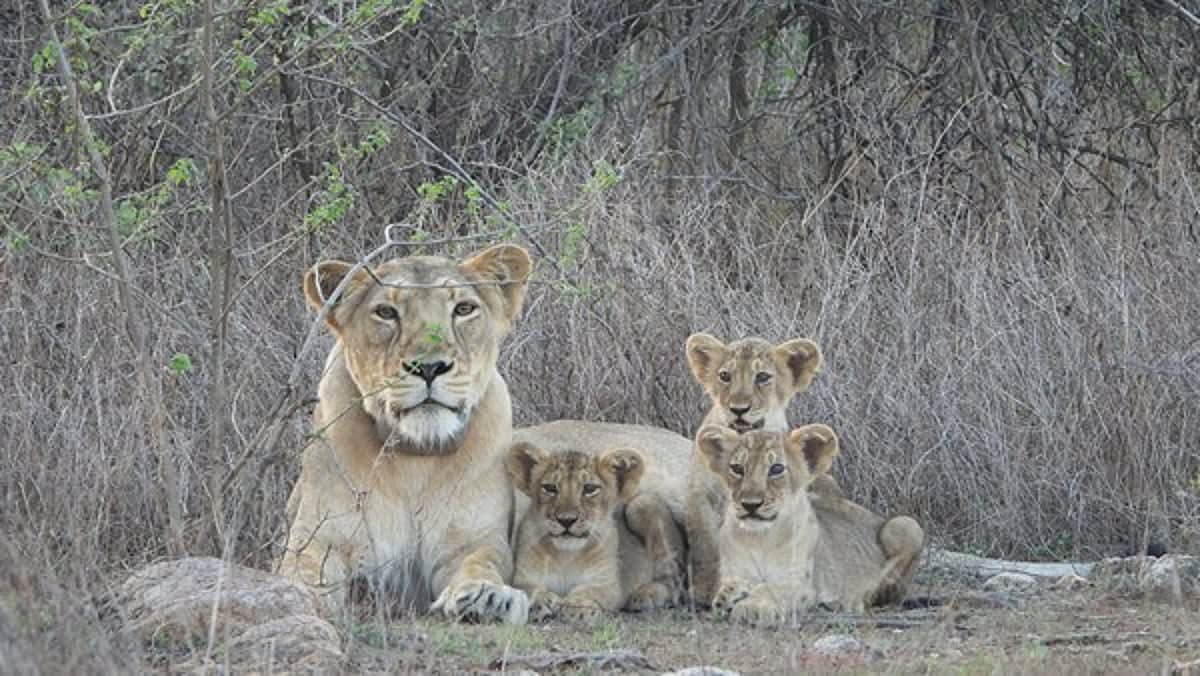
Gujarat's Asiatic lion population has climbed to 891, according to the state's 2025 census. That's up from 674 in 2020, 523 in 2015, and reportedly just a dozen animals in the late 19th century.
It's one of the most dramatic wildlife recoveries on Earth. The Asiatic lion once ranged across the Middle East and parts of Asia but was hunted nearly to extinction. Today, the entire wild population lives in and around Gujarat's Gir landscape.
The comeback has been so successful that more than half of Gujarat's lions now live outside protected areas. They've spread across nearly 35,000 square kilometers of Saurashtra, entering farmland, crossing highways, and appearing near villages.
On the eve of World Lion Day, Gujarat announced plans to build a 100-hectare natural enclosure at Ambardi Safari Park. The facility will house lions involved in repeated attacks on humans, allowing them to live in a natural environment rather than traditional captivity.
The move reflects an uncomfortable truth about modern conservation. Saving a species is only half the battle. Managing its success can be even harder.
The Bright Side
While Africa's lion populations occupy barely 6 to 7 percent of their historic range, India has reversed the trend entirely. Between 22,000 and 25,000 wild lions survive across Africa, with populations declining due to habitat loss and conflict with humans.
India's lions are expanding their territory, not losing it. That creates real challenges for farmers and villages, but it's a problem born from success rather than failure.
The enclosure project is part of Gujarat's broader wildlife management strategy, which includes relocating injured animals and rescuing lions that stray into villages. Officials say the goal is reducing human-wildlife conflict without compromising long-term conservation.
Scientists do warn about one remaining vulnerability. Because all wild Asiatic lions live in a single landscape, an epidemic or major disaster could threaten the entire population. Conservation groups have long advocated for establishing a second population elsewhere in India as insurance.
For now, though, Gujarat is writing the playbook for a problem few places ever get to face: what happens when conservation works too well.
Based on reporting by Google News - Conservation Success
This story was written by BrightWire based on verified news reports.
Spread the positivity!
Share this good news with someone who needs it