Indonesian Farmers Restore Forest While Growing Their Income
In Sumatra's Batutegi forest, hundreds of farmers like Sri Atmiatun are proving you can protect wildlife habitat and earn a better living at the same time. Indonesia's social forestry program is transforming how communities manage land, bringing hope to both people and nature.
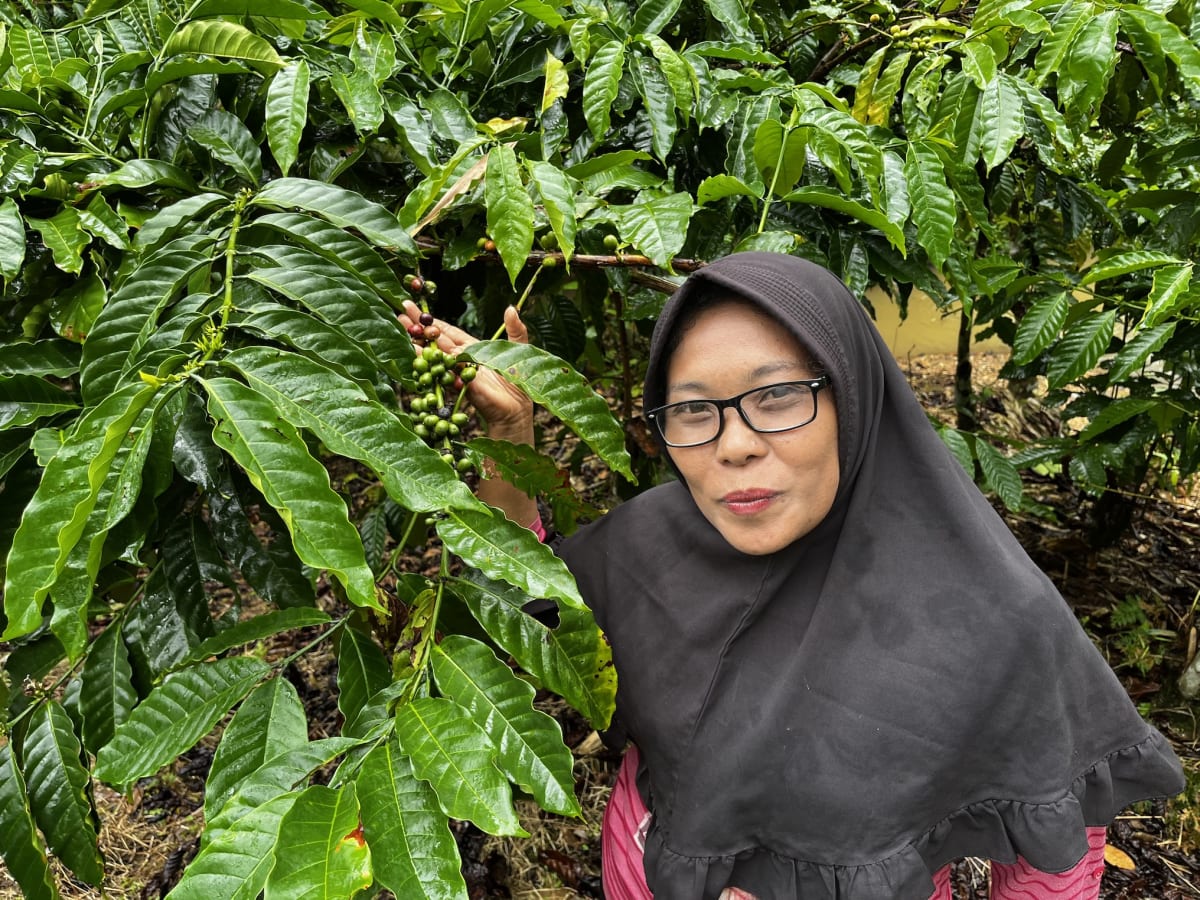
Sri Atmiatun climbs the same hill every morning to tend her coffee trees and fruit plants in southern Sumatra. But unlike the abandoned, overgrown plot she inherited in 2017, her 3 hectares now feed her family while helping protect one of Indonesia's critical forest landscapes.
Sri is one of hundreds of farmers participating in Indonesia's social forestry program in the Batutegi region. The program gives local communities legal rights to manage state forest land in exchange for following sustainable practices that protect the forest and its wildlife.
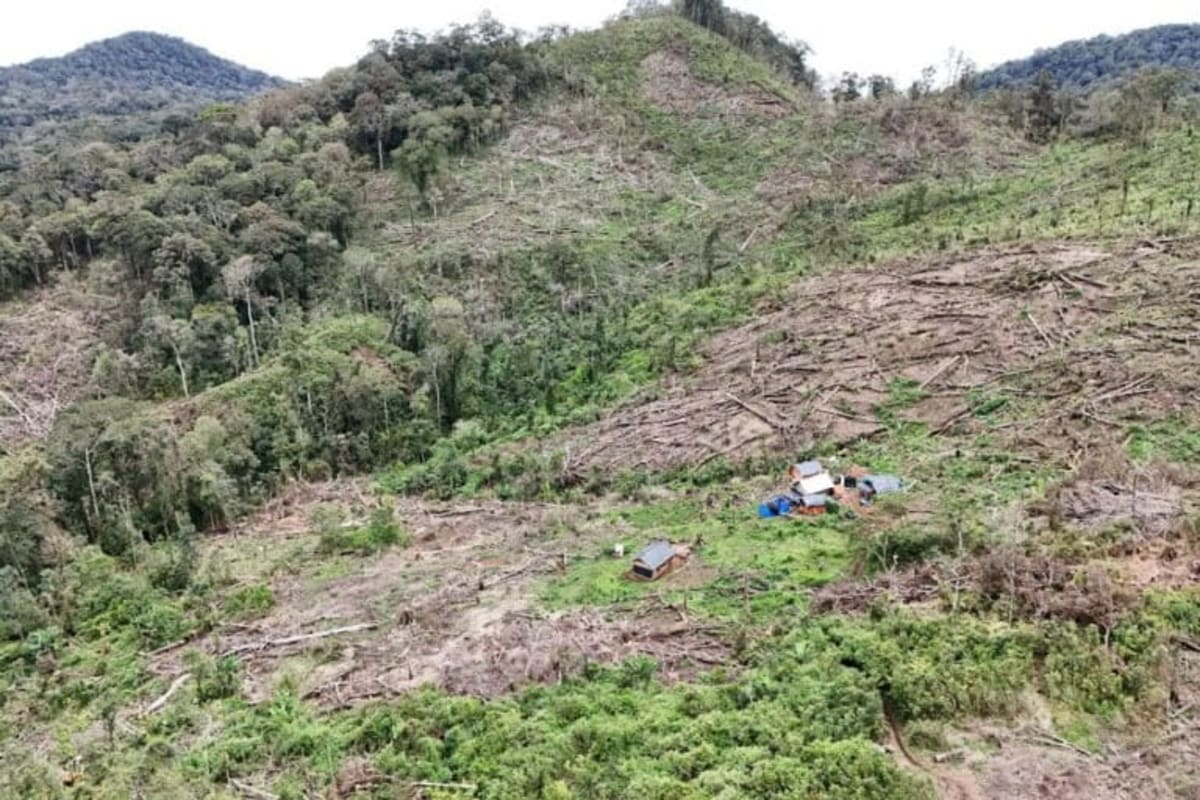
The change matters because Batutegi wasn't always managed this way. Through the early 2000s, farmers cleared huge swaths of protected forest for coffee plantations with few alternatives and little oversight. By the time community forestry permits arrived between 2007 and 2010, much of the original forest was already fragmented.
But something shifted starting in 2017. Conservation groups like YIARI began working with farming communities to build a different approach. Instead of clearing more land, farmers learned to grow multiple crops alongside trees, creating diverse agroforestry systems that produce income while restoring forest cover.
The support reaches 16 farmers' groups now organized under four cooperatives. Farmers attend field schools, receive training on sustainable practices, and get help with livestock and nurseries. The goal is simple: make existing farmland more productive so families don't need to push deeper into protected areas.
The results show real promise. Forest clearing has slowed, and protected core areas now provide safer habitat for native wildlife and rescued animals. Farmers report greater stability and access to resources they never had when working informally on the land.
The Ripple Effect
The changes extend beyond conservation numbers. Rural women are taking on new roles as farm managers and leaders in community organizations, reshaping local economies and who gets a voice in decisions. Legal recognition opened doors to government and private sector partnerships that were impossible when communities operated outside formal systems.
Rommy Qurniati, a forestry lecturer at University of Lampung, notes that giving legal recognition to people who've long managed forest land informally created the foundation for everything that followed. Farmers gained security and access to support that transforms how they work the land.
Challenges remain, including weak institutional capacity in some groups and ongoing pressure to expand cultivation. But the Batutegi model shows that conservation and livelihoods don't have to compete when communities receive the right support and recognition.
Sri explains why she stays simply: "This land feeds us. If I leave, who will take care of it?" Her question captures what makes social forestry work when farms and forests grow together.
More Images

Based on reporting by Mongabay
This story was written by BrightWire based on verified news reports.
Spread the positivity!
Share this good news with someone who needs it