Iowa Researcher Finds Rubies and Sapphires on Mars
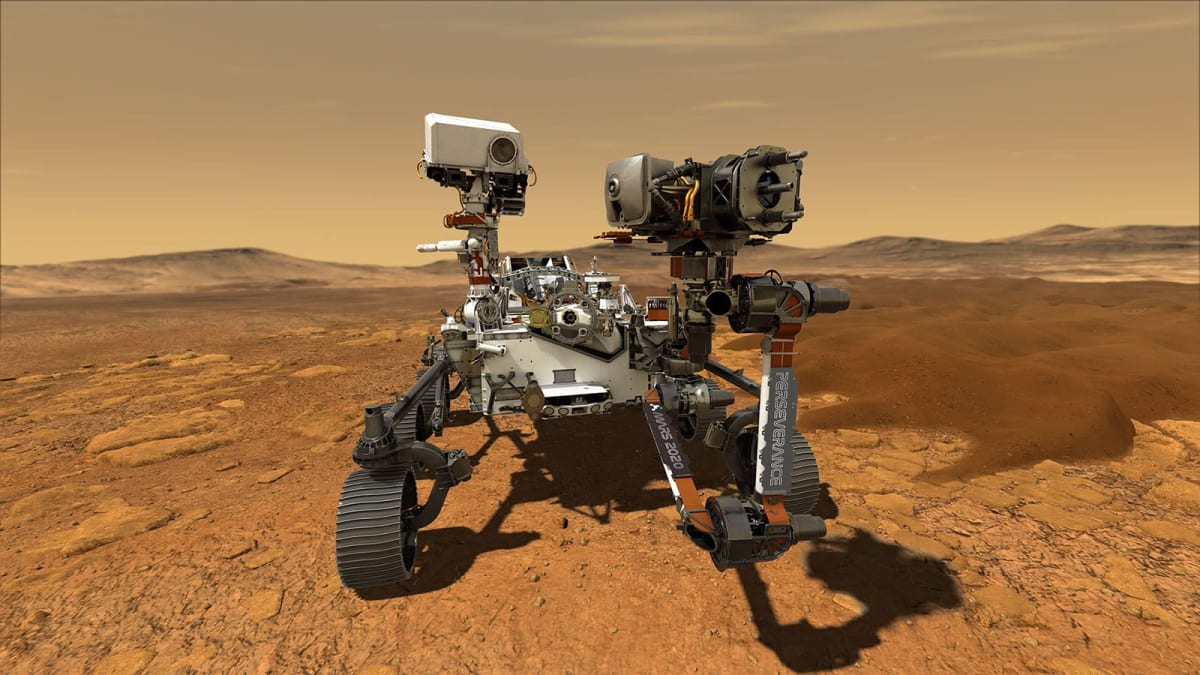
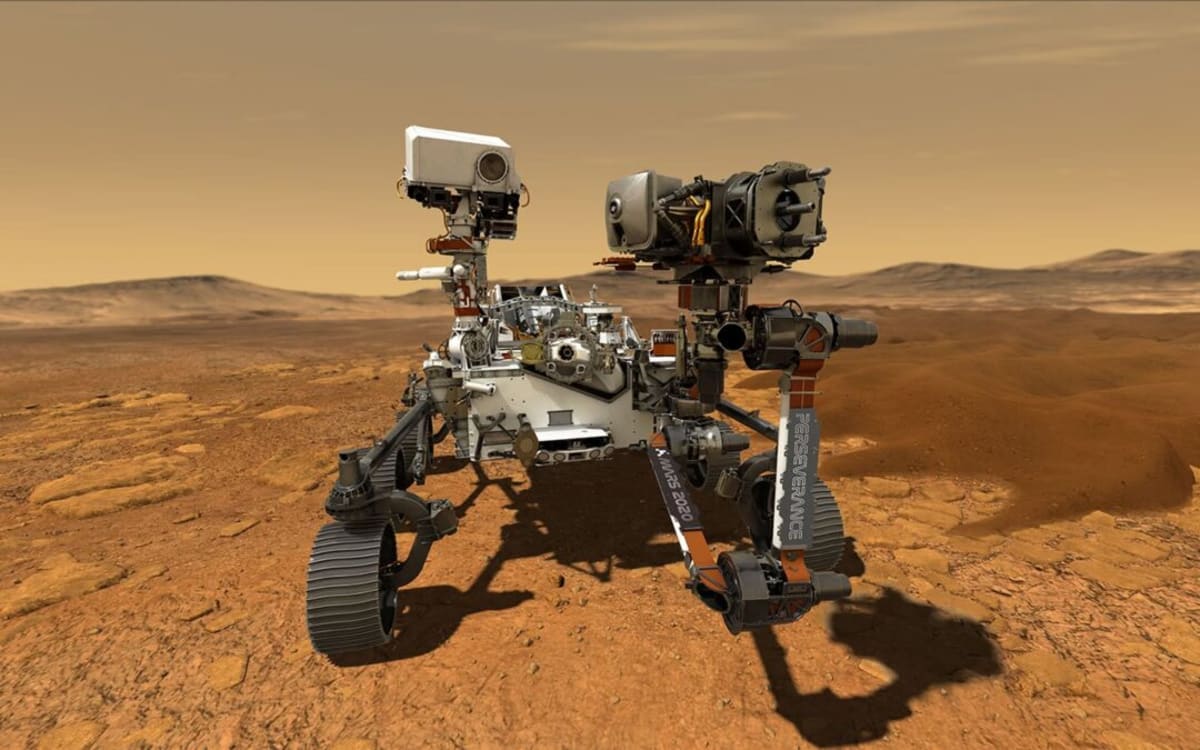
A University of Iowa scientist just discovered gemstone minerals on Mars for the first time. The NASA rover Perseverance found corundum, the same mineral family that gives us rubies and sapphires here on Earth.
Imagine finding precious gems on another planet. That's exactly what happened when University of Iowa researcher Valerie Payré spotted something unexpected in Martian soil: the minerals that form rubies and sapphires.
Payré, a planetary geologist working with NASA's Perseverance rover, discovered corundum on Mars. It's the first time anyone has observed this mineral on the Red Planet's surface.
"We were not expecting it at all," Payré says. Corundum is rare even on Earth, made of just aluminum and oxygen, and it's the foundation of some of our most prized gemstones.
The rover found the minerals in Jezero Crater, an ancient lakebed that scientists believe was once fed by rivers. Payré works as co-investigator on the SuperCam instrument team that made the discovery.
Before anyone starts planning a Martian mining operation, Payré has realistic expectations. The corundum appears in very small amounts and only in this one location. "For now, I think it's a fun discovery and there are some gemstones on Mars, that's something we can say," she notes.
Why This Inspires
This discovery shows how much we still have to learn about our neighboring planet. Every rock analyzed and mineral identified brings us closer to understanding Mars' ancient history and whether it once supported life.
Perseverance is healthy and running strong, with two more years guaranteed on its extended mission. Looking at its older sibling Curiosity, which is still exploring after years on Mars, Perseverance could keep discovering surprises for another decade.
While Payré appreciates the robots doing the heavy lifting in space exploration, she's excited about the next chapter. NASA plans to return humans to the Moon and eventually use it as a launching point for Mars missions.
"I like robots, but for geology, it's easier to have a human," Payré explains. Human eyes and the ability to walk directly to interesting rock formations would make exploring Mars far more efficient than remote rovers.
The gemstones might not be ready for harvest, but they're sparkling evidence that Mars still has secrets waiting to be uncovered.
More Images
Based on reporting by Google: NASA discovery
This story was written by BrightWire based on verified news reports.
Spread the positivity!
Share this good news with someone who needs it