%2Fhttps%3A%2F%2Ftf-cmsv2-smithsonianmag-media.s3.amazonaws.com%2Ffiler_public%2Fa1%2F49%2Fa1499be1-a337-473d-a81a-8d93d4b73f7e%2Fimage-1200-43334072918d7c689f4c8c2e2824b65b.jpeg)
Italy Releases 130,000 Baby Octopuses to Fight Invasive Crabs
Italian researchers are battling a $116 million ecological crisis with an adorable solution: unleashing thousands of baby octopuses to hunt invasive blue crabs destroying the Adriatic Sea. The experimental Octo-Blu project could save fishing economies while restoring natural balance.
Italian scientists just recruited 130,000 baby octopuses to save the Adriatic Sea from an invasion, and early results look promising.
Blue crabs from the Americas have been wrecking Italy's coastal ecosystems for years, destroying mussel and clam populations while tearing through fishing nets with their powerful claws. Last year alone, these cerulean invaders caused an estimated $116 million in damage to Italy's fishing industry.
The solution? Release an army of common octopuses that love eating blue crabs for breakfast, lunch, and dinner.
The University of Bologna's Octo-Blu project spent two years perfecting octopus breeding techniques and studying how these eight-armed predators interact with blue crabs. What they discovered in the lab was encouraging: young octopuses eagerly hunted blue crabs, even tackling ones weighing around a pound.
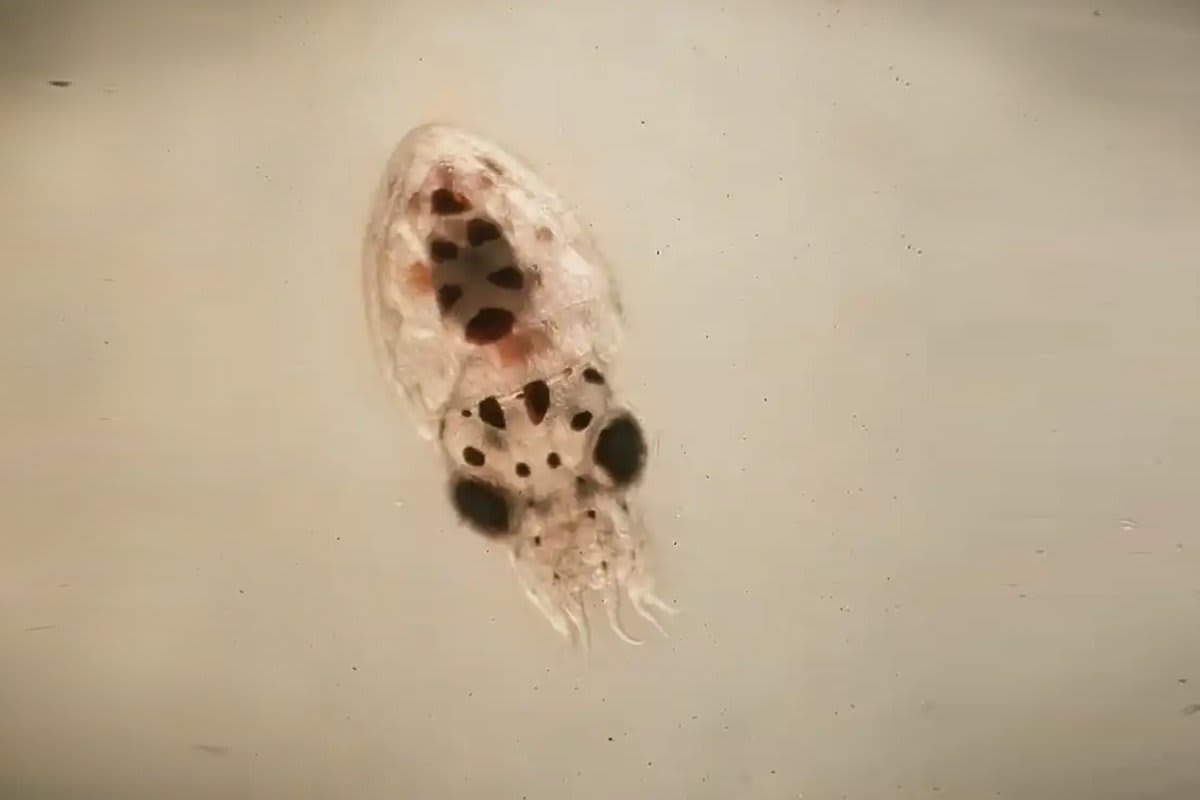
Starting in June, researchers began releasing waves of tiny octopus hatchlings into the Adriatic Sea. So far, at least 130,000 of these millimeter-long creatures have joined the fight.
"The blue crab isn't just an invasive species; it's one of the most serious emergencies to hit our sea in recent years," says Alessio Mammi, the Emilia-Romagna region's agriculture councilor. The region is funding this experimental approach because traditional methods like incineration weren't making a dent.
The Bright Side
While only 1 percent of the baby octopuses are expected to survive to adulthood, those that do could make a real impact. Each mature octopus can devour up to four blue crabs daily, providing natural pest control without chemicals or human intervention.
The project also boosts the native octopus population, which has struggled in recent years. Researchers chose common octopuses specifically because they reproduce quickly and adapt well to different environments.
Marine biologist Laura Gentile and her team will monitor the octopuses through scuba surveys and by working with local fishers who spot the creatures. They're watching for behavioral patterns and population changes, hoping to see measurable results by year's end.
Meanwhile, Italian fishers have found a creative solution for the crabs they catch: exporting them to the United States, where blue crab is considered a delicacy. What's trash in the Adriatic is treasure across the Atlantic.
The approach shows nature often has built-in solutions to environmental problems, if we're willing to work with existing ecosystems instead of against them.
More Images
%2Fhttps%3A%2F%2Ftf-cmsv2-smithsonianmag-media.s3.amazonaws.com%2Ffiler_public%2Fa1%2F49%2Fa1499be1-a337-473d-a81a-8d93d4b73f7e%2Fimage-1200-43334072918d7c689f4c8c2e2824b65b.jpeg)
%2Fhttps%3A%2F%2Ftf-cmsv2-smithsonianmag-media.s3.amazonaws.com%2Ffiler_public%2Fa1%2F49%2Fa1499be1-a337-473d-a81a-8d93d4b73f7e%2Fimage-1200-43334072918d7c689f4c8c2e2824b65b.jpeg)
%2Fhttps%3A%2F%2Ftf-cmsv2-smithsonianmag-media.s3.amazonaws.com%2Ffiler_public%2F41%2Fef%2F41efa669-433b-477e-8c44-ad26abd0b1ac%2Fblue_crab_on_market_in_piraeus_-_callinectes_sapidus_rathbun_20020819-317.jpg)
%2Fhttps%3A%2F%2Ftf-cmsv2-smithsonianmag-media.s3.amazonaws.com%2Faccounts%2Fheadshot%2FMargherita_Bassi.png)
Based on reporting by Smithsonian
This story was written by BrightWire based on verified news reports.
Spread the positivity!
Share this good news with someone who needs it