James Webb Detects Methane From Interstellar Visitor
NASA's James Webb Space Telescope captured the first-ever chemical fingerprint of an interstellar object, revealing methane gas from comet 3I/ATLAS as it passed through our solar system. The discovery offers an unprecedented glimpse into worlds beyond our cosmic neighborhood.
Scientists just made history by detecting methane from an object born in another star system, giving us our first chemical snapshot of a true interstellar traveler.
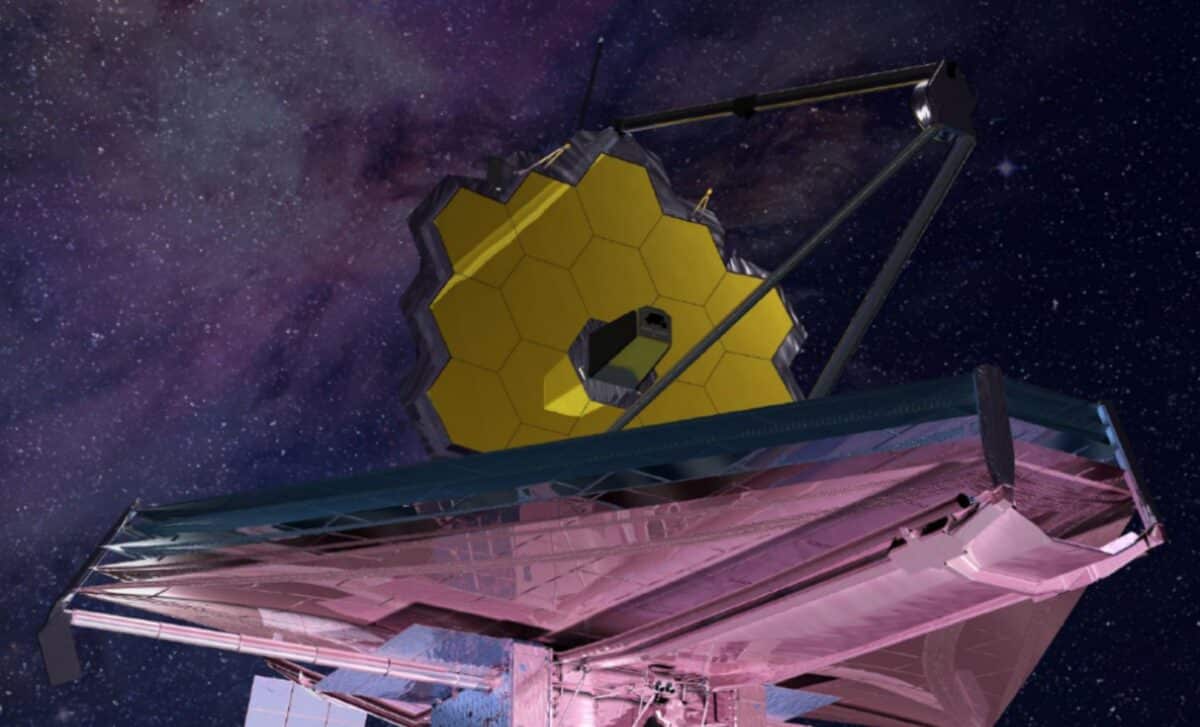
The James Webb Space Telescope captured something remarkable when comet 3I/ATLAS whipped through our solar system last year. Using its powerful Mid-Infrared Instrument, the telescope detected methane, carbon dioxide, and water streaming from the mysterious visitor as it careened past our planets and back into deep space.
This marks the first time we've ever identified specific chemicals from an interstellar object. While scientists have spotted these cosmic wanderers before, we've never been able to analyze their composition in such detail.
What makes this discovery especially fascinating is what the methane reveals about where 3I/ATLAS came from. The gas emerged two months after the comet's closest approach to the Sun, suggesting it was buried deep beneath a thick icy shell rather than on the surface.
The chemical makeup itself tells an intriguing story. Compared to comets born in our own solar system, 3I/ATLAS contains surprisingly high levels of methane relative to water, plus an abundance of carbon dioxide that previous observations had already hinted at.
These differences point to a formation environment completely unlike our own solar system. Somewhere out in the galaxy, around a different star, conditions existed that created this cosmic ice ball with its unique chemical recipe.
Why This Inspires
Every few years, our solar system gets a visitor from the great beyond, offering a rare chance to study material forged in alien stellar nurseries. Each detection teaches us that planetary systems across the galaxy can be remarkably different from our own, shaped by countless variables we're only beginning to understand.
The James Webb Space Telescope is essentially giving us the tools to become interstellar archaeologists. By analyzing the chemical fingerprints of these wanderers, we're learning about the diverse conditions that exist throughout our galaxy without ever leaving our cosmic backyard.
This breakthrough represents just the beginning of what Webb can reveal. As more interstellar objects pass through, scientists will build a library of chemical signatures, mapping the incredible diversity of worlds and conditions scattered across the Milky Way.
We're living in an age where we can sniff the atmosphere of a comet born trillions of miles away and read its origin story in the gases it releases.
More Images

Based on reporting by Futurism
This story was written by BrightWire based on verified news reports.
Spread the positivity!
Share this good news with someone who needs it