Ancient Galaxies Hide 4X More Stars Than Scientists Thought
The James Webb Space Telescope just revealed that nine ancient galaxies contain up to four times more stars than astronomers estimated. This discovery could reshape our understanding of how quickly the early universe developed.
Scientists just found proof that we've been undercounting the stars in some of the oldest galaxies in the universe by a staggering amount.
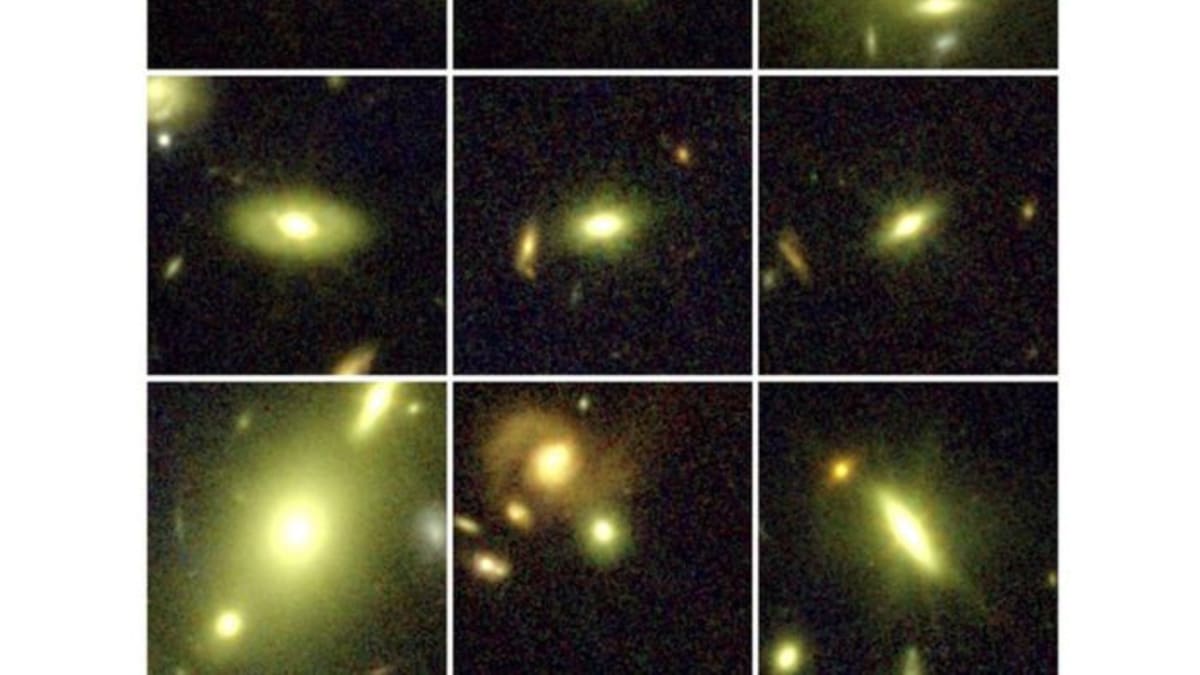
Using the James Webb Space Telescope, a research team led by Chloe Cheng discovered that nine massive ancient galaxies contain far more small, dim stars than anyone expected. In the most extreme case, one galaxy turned out to be four times heavier than standard calculations suggested.
The breakthrough came from a technology trick. While giant bright stars are easy to spot across billions of light years, countless smaller stars hide in their shadows like houses tucked between skyscrapers. Until now, astronomers simply guessed at how many small stars existed based on what we see in the Milky Way.
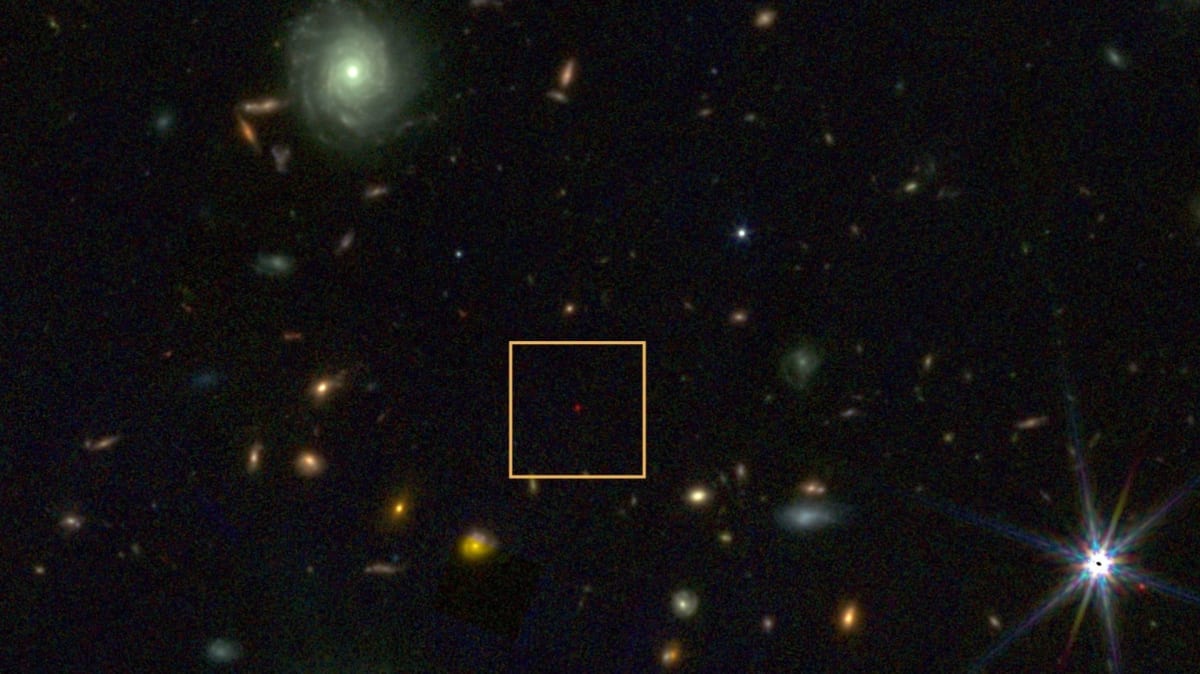
Cheng and her team spent three nights in May 2025 pointing Webb's infrared instruments at a distant patch of sky, gathering over 31 hours of detailed light readings. Nine galaxies produced clear enough signals to analyze. The results surprised everyone.
Two galaxies came in more than two standard deviations above typical Milky Way measurements. The most extreme object formed its stars less than 1.5 billion years after the Big Bang, making it one of the oldest galaxies ever studied in this much detail.
Why This Inspires
This discovery opens up exciting possibilities across astronomy. If early galaxies packed in more small stars than we thought, they could have formed far more planets than previous estimates suggested. That means the young universe might have been busier and more complex than we imagined.
The finding also helps solve a puzzle that's been bothering astronomers. Webb keeps discovering early galaxies that seem impossibly massive for their age, growing faster than our models predict. If those galaxies also hide extra small stars, their true masses might actually fit within what physics allows.
Professor Mariska Kriek from Leiden Observatory, who led the research, points out that the implications stretch across multiple fields of space science. Understanding the true stellar populations of ancient galaxies changes calculations about everything from planet formation to galaxy evolution.
The team acknowledges they need more data. Nine galaxies isn't enough to rewrite the textbooks, and these particular galaxies all cluster in the same cosmic neighborhood called the COSMOS Wall. An approved follow-up program will study the same galaxies in even more detail to confirm the findings.
For now, the universe just got a little heavier and a lot more interesting than we thought.
Based on reporting by Google: James Webb telescope
This story was written by BrightWire based on verified news reports.
Spread the positivity!
Share this good news with someone who needs it