James Webb Finds Alien Planet With Two Different Twilights
For the first time, scientists have captured stunning differences between dawn and dusk on a distant world, revealing powerful winds that create wildly different atmospheric conditions on each side. The discovery opens new windows into understanding alien weather systems beyond our solar system.
Scientists using the James Webb Space Telescope have discovered something remarkable about a distant planet: its morning looks nothing like its evening.
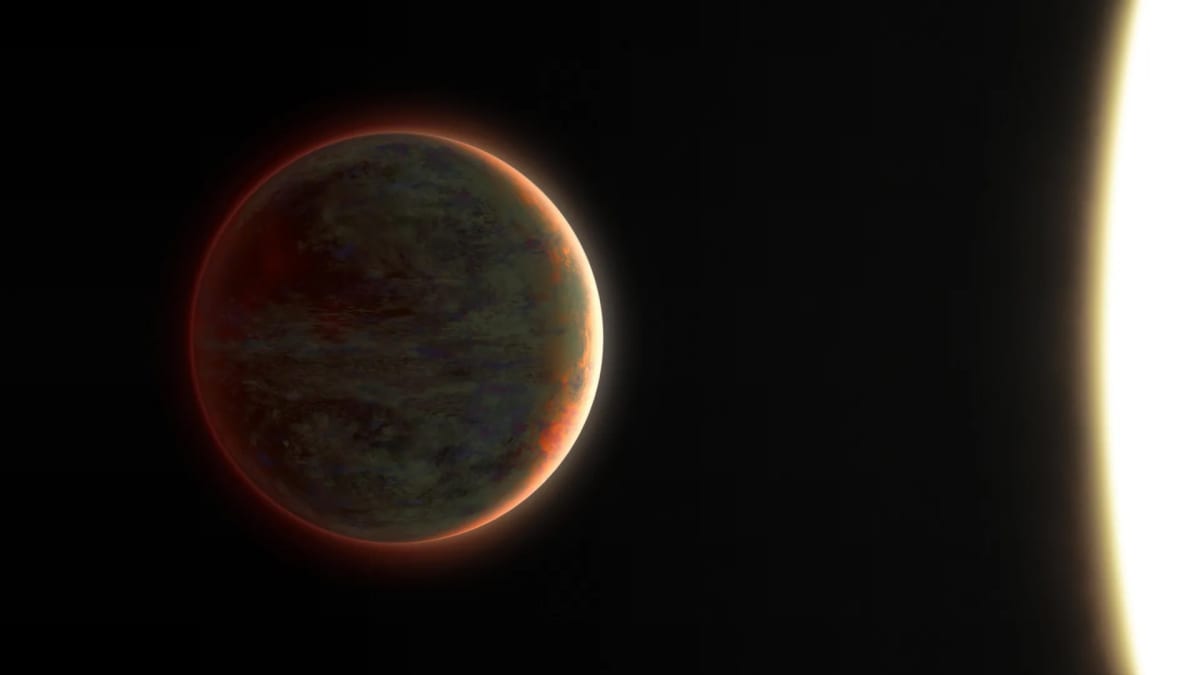
The exoplanet WASP-121 b, located hundreds of light-years away, has two completely different twilight zones. One side is significantly hotter and puffier than the other, creating an atmospheric imbalance never before observed in such detail.
The planet belongs to a fascinating class called hot Jupiters. Because it orbits so close to its star, one side permanently faces the blazing heat while the other remains in eternal darkness. The dayside reaches a scorching 2,500 degrees Celsius, while the nightside cools to a relatively chilly 725 degrees.
Here's where it gets interesting. Powerful winds race across the planet from west to east, carrying heat from the day side toward the night side. These winds heat up the evening twilight zone much more than the morning side, causing the atmosphere to expand like a hot air balloon.
The team from the Max Planck Institute for Astronomy measured this by watching starlight filter through the planet's atmosphere as it passed in front of its star. The evening side absorbed more light than the morning side, confirming predictions that existed only in computer models until now.
The observations revealed another surprise. Water molecules seem to vanish in the hottest parts of the atmosphere. Scientists believe the extreme temperatures literally tear water apart into hydrogen and oxygen, providing direct evidence of chemistry happening in real time on another world.
Researcher Cyril Gapp explains that Webb's unprecedented quality lets us examine distant planets longitude by longitude, rotating our view as the planet moves. It's like getting a weather map of an alien world.
Why This Inspires
This discovery represents more than just understanding one strange planet. Every exoplanet we study teaches us something new about how worlds form and evolve across the universe.
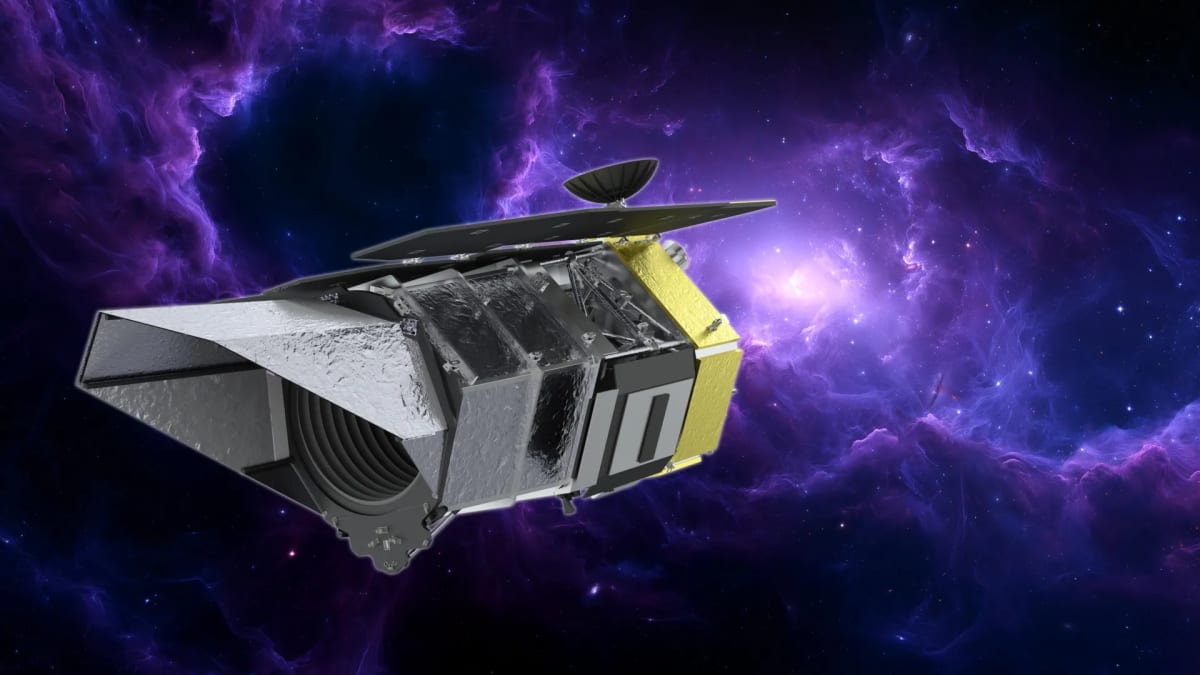
The James Webb Space Telescope continues proving its worth as humanity's most powerful window into space. Launched just a few years ago, it's already revolutionizing our understanding of distant worlds, revealing details that were impossible to detect before.
What makes this particularly exciting is how it confirms what scientists suspected but couldn't prove. Theoretical models predicted these atmospheric differences, and now we're seeing them with our own instruments. It's a reminder that human curiosity and ingenuity can unlock secrets of worlds we'll never physically touch.
As researchers continue analyzing Webb's data, they're building a more complete picture of how planets behave under extreme conditions. Each discovery brings us closer to understanding the incredible diversity of worlds beyond our solar system and perhaps, eventually, finding planets that could harbor life.
The universe just got a little less mysterious and a lot more fascinating.
Based on reporting by Science Daily
This story was written by BrightWire based on verified news reports.
Spread the positivity!
Share this good news with someone who needs it