James Webb Finds Two Different Twilights on Distant Planet
The James Webb Space Telescope discovered that dawn and dusk look completely different on an ultra-hot alien world 850 light-years away. The breakthrough gives scientists the most detailed view yet of weather patterns on planets beyond our solar system.
Scientists just caught their most detailed glimpse yet of an alien world's atmosphere, and it's revealing weather patterns more extreme than anything we see on Earth.
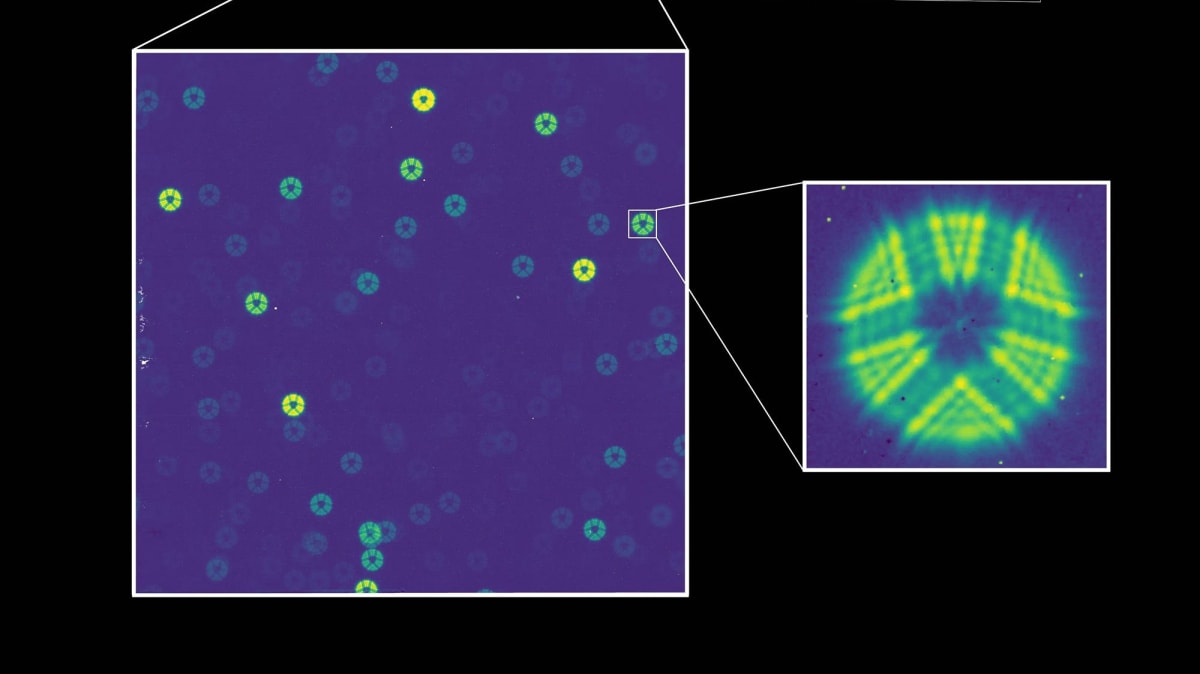
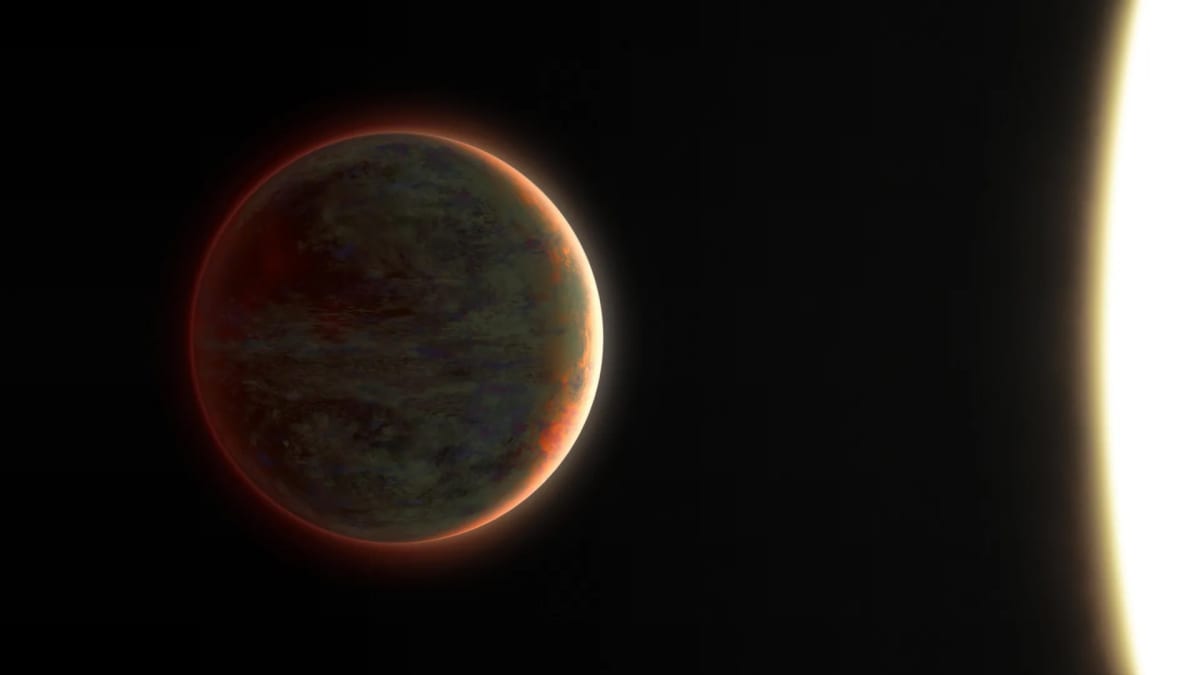
The James Webb Space Telescope has mapped the dawn and dusk regions of WASP-121 b, a gas giant planet roughly 850 light-years from Earth. What researchers found surprised them: the planet's evening side is significantly hotter and more expanded than its morning side, creating two completely different twilight zones.
"With its unprecedented observational quality, JWST gives us the most detailed glimpses into distant planets to date," said Cyril Gapp from the Max Planck Institute for Astronomy. By watching how starlight filtered through the planet's atmosphere during a transit, his team could map temperature and chemical differences across different regions.
The planet belongs to a category called hot Jupiters, massive worlds that orbit so close to their stars that one side permanently faces the sun while the other remains in eternal darkness. On WASP-121 b, the daytime side reaches a blistering 2,500 degrees Celsius, while the night side cools to a comparatively chilly 725 degrees Celsius.
Powerful winds racing eastward carry heat from the scorching day side toward the cooler night side. Because these winds blow in the direction of the planet's rotation, they warm the evening region more intensely than the morning side, causing the atmosphere to expand and absorb more starlight.
The telescope also detected something remarkable about water on this world. In the hottest regions, water molecules are being ripped apart into their basic elements by extreme temperatures. This provides direct evidence of the fierce conditions reshaping the planet's chemistry in real time.
Why This Inspires
This discovery represents a leap forward in our ability to understand worlds beyond our solar system. Just a few decades ago, we didn't even know planets existed around other stars. Now we can map their weather patterns, track their atmospheric winds, and watch their chemistry change from region to region.
The technology behind these observations will help scientists study potentially habitable worlds in the future. Every new technique we develop for understanding extreme planets like WASP-121 b brings us closer to finding and characterizing Earth-like worlds that might harbor life.
Tom Evans-Soma from the University of Newcastle, Australia, who helped determine the planet's temperature range, notes that WASP-121 b is particularly extreme among known exoplanets. That makes it an ideal laboratory for testing our instruments and theories before applying them to more Earth-like targets.
These observations showcase what's possible when we combine cutting-edge telescope technology with creative scientific thinking, turning brief moments of starlight into detailed atmospheric maps of distant worlds.
Based on reporting by Google: James Webb telescope
This story was written by BrightWire based on verified news reports.
Spread the positivity!
Share this good news with someone who needs it