James Webb Telescope Reveals Lion Nebula in Stunning Detail
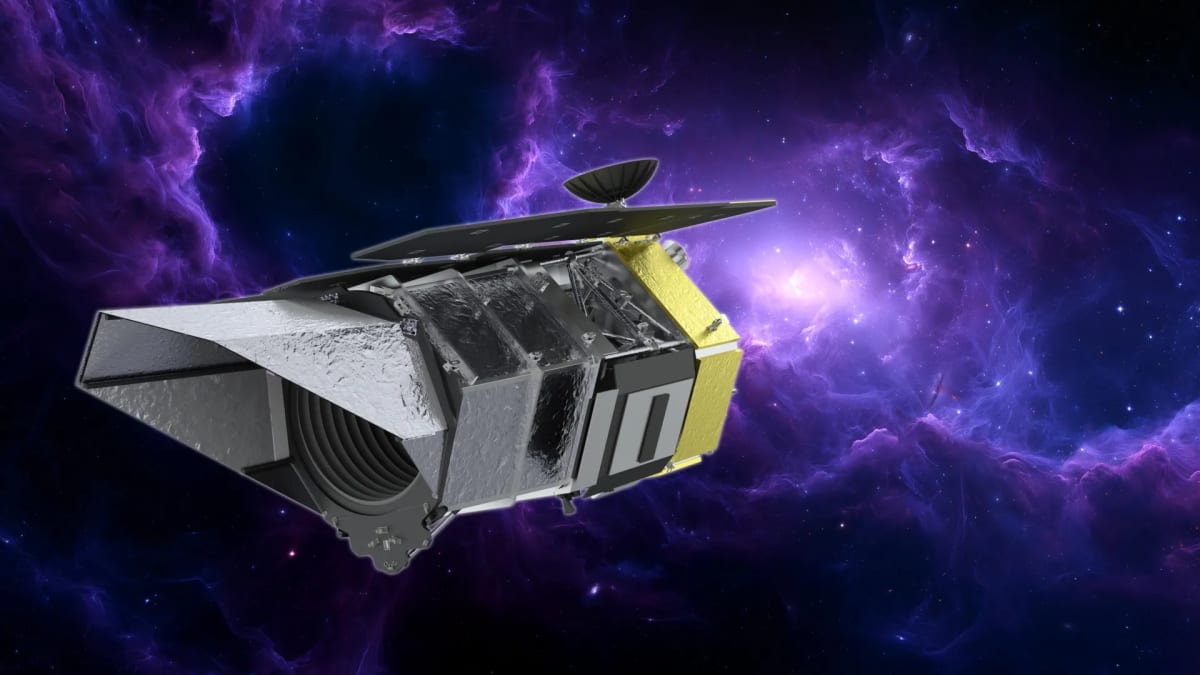
NASA's James Webb Space Telescope has captured breathtaking new images of the Lion Nebula, revealing hidden features never seen before in a dying star 6,000 light-years away. The images show details that even the mighty Hubble telescope couldn't capture, helping scientists better understand how stars die and reshape the universe.
NASA just gave us a front-row seat to one of the most beautiful endings in space.
The James Webb Space Telescope has captured stunning new images of the Lion Nebula, a glowing cosmic cloud formed by a dying star 6,000 light-years away in the constellation Gemini. The pictures reveal intricate details that astronomers have never seen before, including compact clumps of dust and hazes of ionized gas surrounding the star's shrunken core.
First discovered in 1787 by astronomer William Herschel, this celestial wonder was originally called the Eskimo Nebula. But when the Hubble Space Telescope photographed it in 2000, scientists noticed it looked more like a fierce lion, with the central white dwarf acting as the nose, a glowing bubble forming the face, and an illuminated shell of dust spreading out like a majestic mane.
Now James Webb has taken our view to the next level. Using two powerful instruments that detect different types of infrared light, the telescope revealed features that Hubble simply couldn't see.
The images aren't just beautiful. They're helping scientists understand how lower-mass stars like our own sun eventually die, shedding their outer layers and sculpting the space around them with flowing gas and dust.
Why This Inspires
These images remind us that even in death, stars create something magnificent. NGC 2392 has spent thousands of years forming its current lion-like shape, and it will continue evolving for another 10,000 years before its components drift away into space.
That material won't disappear. It will become part of new stars, new planets, maybe even new worlds where future discoveries happen.
The fact that we can now see these cosmic transformations in such detail shows how far human curiosity and ingenuity have brought us. Every new image from James Webb isn't just a picture, it's a window into understanding our place in an ever-changing universe that's constantly creating beauty from transformation.
In 10,000 years, this cosmic lion will fade away, but the knowledge we're gaining from watching it will ripple forward through generations of discovery.
More Images


Based on reporting by Google: James Webb telescope
This story was written by BrightWire based on verified news reports.
Spread the positivity!
Share this good news with someone who needs it