James Webb Telescope Reveals Soccer Ball Molecules in Space
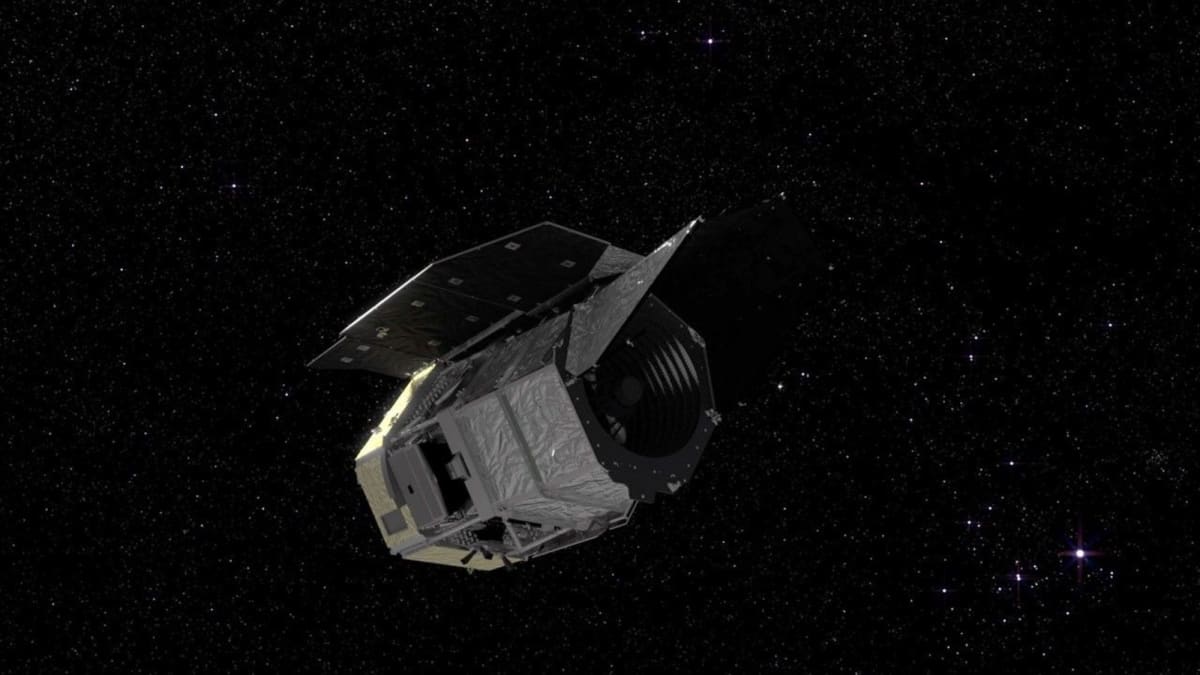
Scientists using the James Webb Space Telescope discovered stunning new details about buckyballs, soccer ball-shaped molecules floating 10,000 light-years away. The cosmic molecules are arranged in a giant sphere, mimicking their own shape at an astronomical scale.
Imagine finding molecules shaped like tiny soccer balls floating in space, and they're arranged to form one giant soccer ball. That's exactly what astronomers at the University of Western Ontario just discovered, and it's rewriting what we know about chemistry beyond Earth.
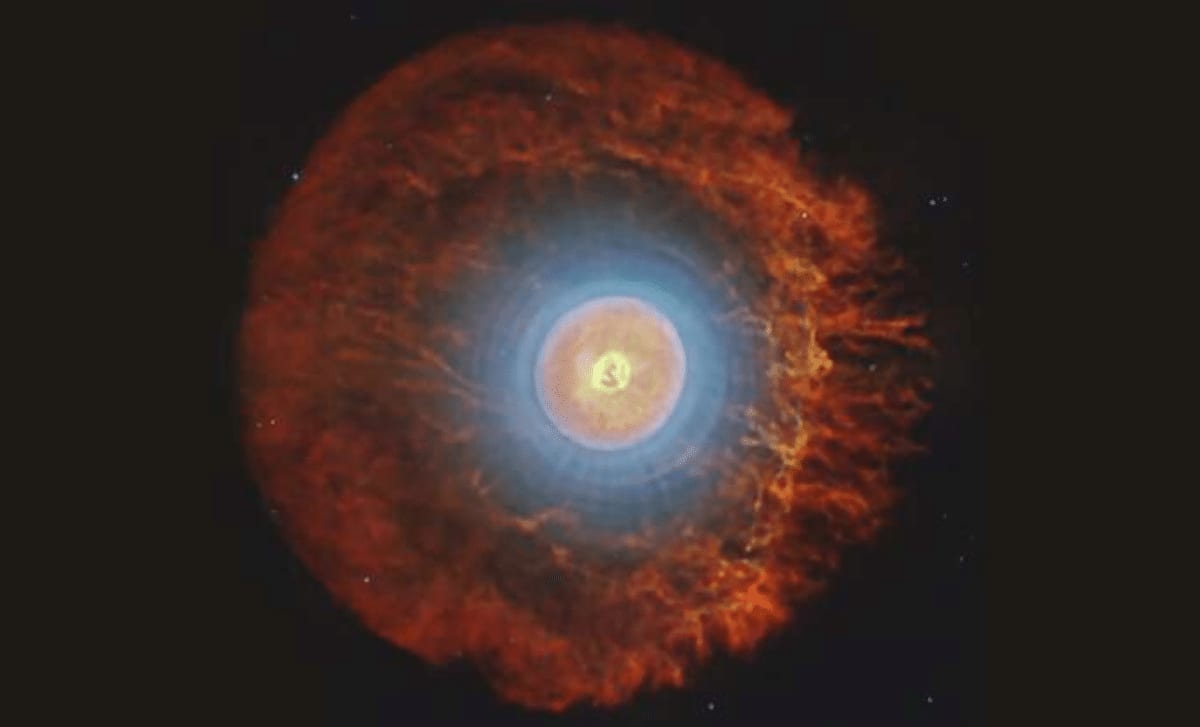
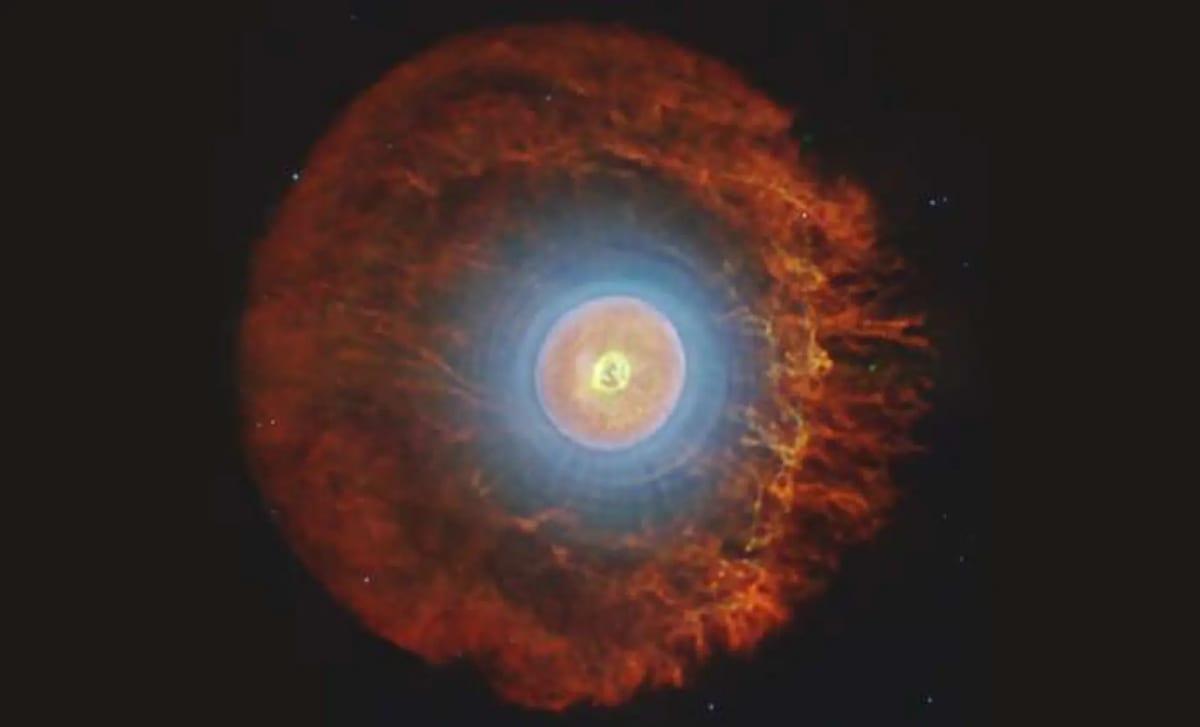
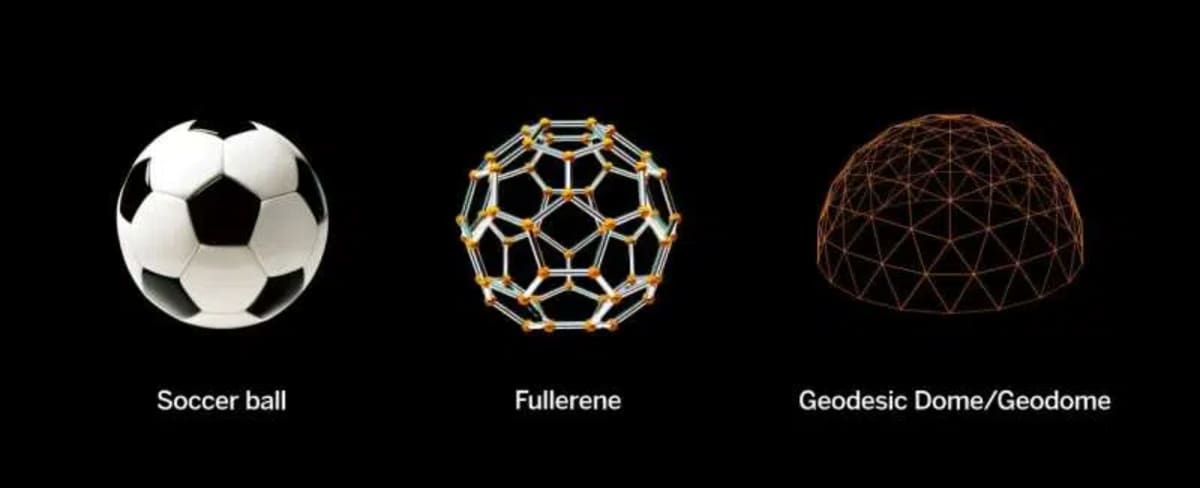
The team used the James Webb Space Telescope to peer into Tc 1, a planetary nebula more than 10,000 light-years away in the constellation Ara. What they found left them speechless: breathtaking structures of gas in delicate rays and wispy filaments, along with buckyballs, molecules made of 60 carbon atoms that look exactly like a soccer ball.
These buckyballs first made headlines in 2010 when scientists confirmed they existed in space. Back then, researchers could barely detect them using older technology. Now, with Webb's powerful infrared vision, the team can see not just where these molecules are, but how they behave and why they glow so brightly.
The biggest surprise came when PhD candidate Morgan Giese mapped out the buckyball locations. Instead of being scattered randomly, they form a thin spherical shell around the nebula's central star. "Buckyballs arranged like one giant buckyball," Giese explained, still marveling at the discovery.
Professor Jan Cami, who led the original 2010 discovery, couldn't contain his excitement about the new images. "Tc 1 was already extraordinary, but this new image shows us we had only scratched the surface," he said. The structures visible now raise as many questions as they answer, opening entirely new paths for research.
The telescope's Mid-Infrared Instrument captured details that were completely invisible before. Blue tones show hotter gas, while red tones trace cooler material. But the real magic happens when scientists combine those stunning visuals with chemical data, linking every swirl of gas to the physics happening inside the nebula.
PhD candidate Charmi Bhatt described the experience of working with this data as transformative. "The sharpness and sensitivity of JWST are unlike anything I have worked with before," Bhatt said. Structures that were once hidden now appear with stunning clarity.
Why This Inspires
This discovery reminds us that the universe still holds countless surprises waiting to be uncovered. For 15 years, scientists puzzled over why buckyballs shine so brightly in space. Now they're finally getting answers, thanks to technology that lets us see farther and clearer than ever before.
The research also revealed a mysterious question mark-shaped structure in the nebula, as if the universe itself is inviting scientists to keep exploring. PhD candidate Simon Van Schuylenbergh joked about the cosmic sense of humor: "After a long time, we finally thought we'd start to see some answers, only for the nebula to show us a giant question mark."
Professor Els Peeters summed up the team's feelings perfectly: "This is one of those datasets that will keep us busy for years to come." Each answer leads to new questions, and each question brings us closer to understanding our place in this vast, beautiful cosmos.
The molecules that won a Nobel Prize in 1985 are now teaching us lessons from 10,000 light-years away.
More Images


Based on reporting by Google: James Webb telescope
This story was written by BrightWire based on verified news reports.
Spread the positivity!
Share this good news with someone who needs it