NASA Completes Roman Telescope to Find 100K New Worlds
NASA just finished building a space telescope that could discover 100,000 new planets and unlock cosmic mysteries in just five years. The Nancy Grace Roman Space Telescope launches this September, marking a new era in space exploration.
NASA's newest space telescope is ready to search for alien worlds on a scale we've never seen before.
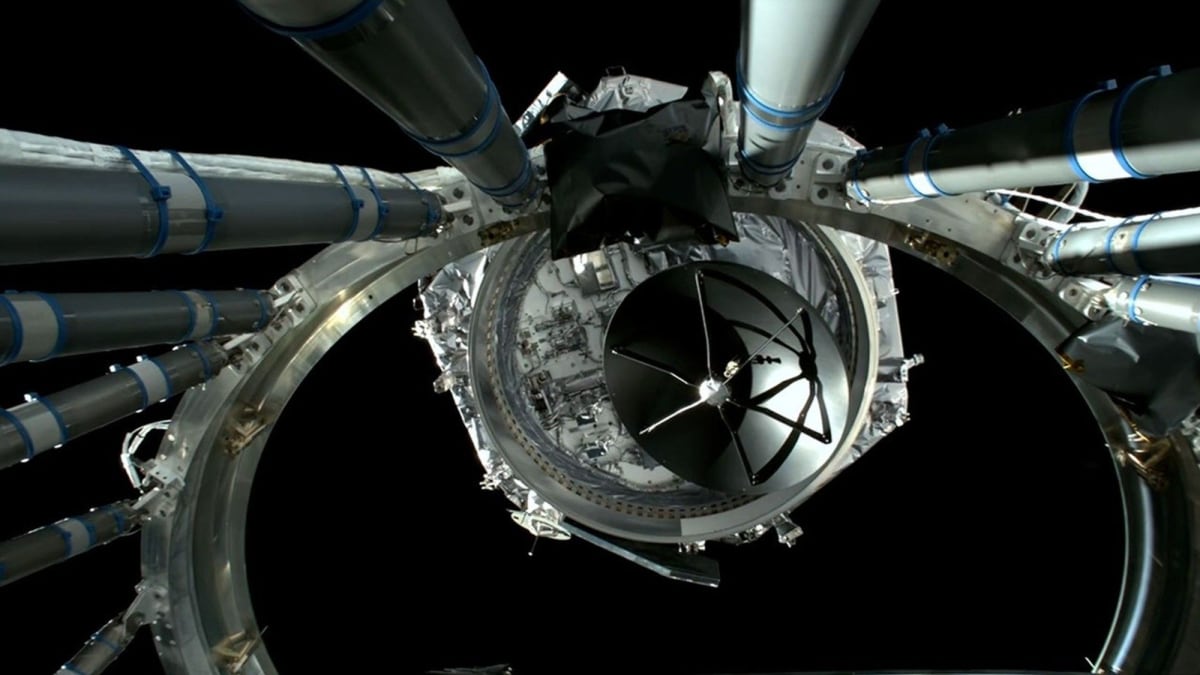
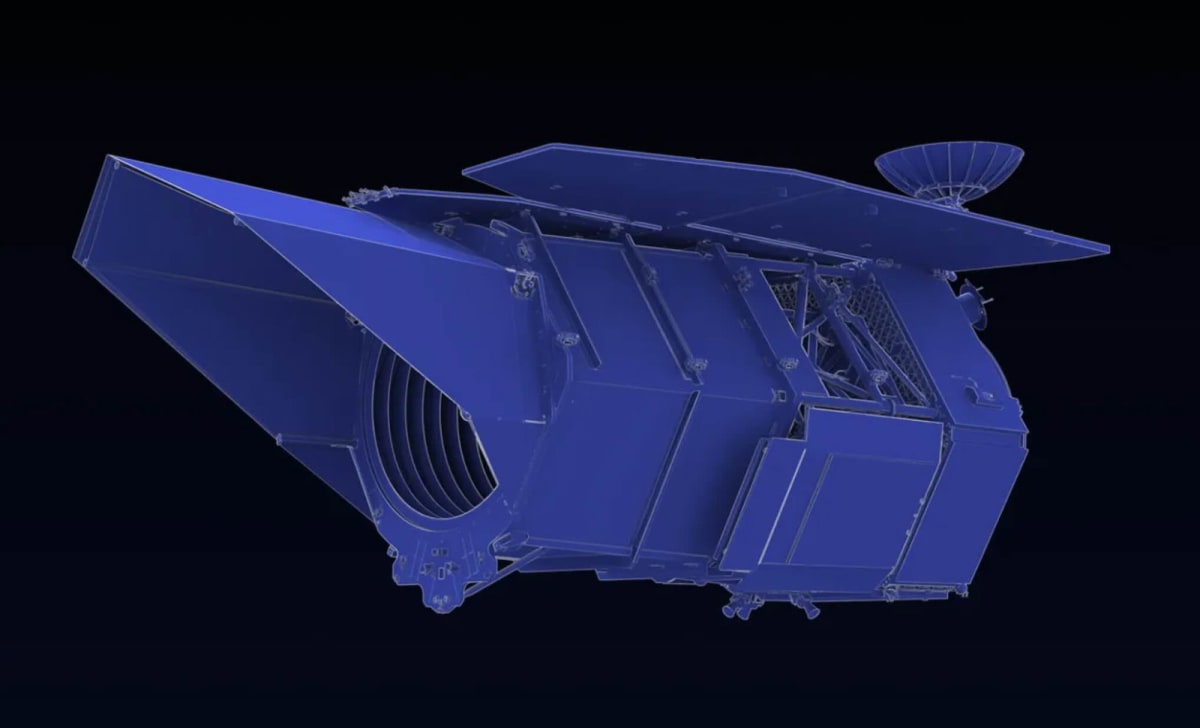
The Nancy Grace Roman Space Telescope, completed this week at NASA's Goddard Space Flight Center in Maryland, represents a giant leap forward in our ability to explore the universe. After years of development involving NASA and private partners like SpaceX, the massive observatory is scheduled to launch as early as September 2026.
What makes Roman special is its enormous field of view combined with powerful infrared vision. While it won't see as deeply as the James Webb Space Telescope, Roman will capture much wider swaths of space in each image, like comparing a telescope to a wide-angle camera lens.
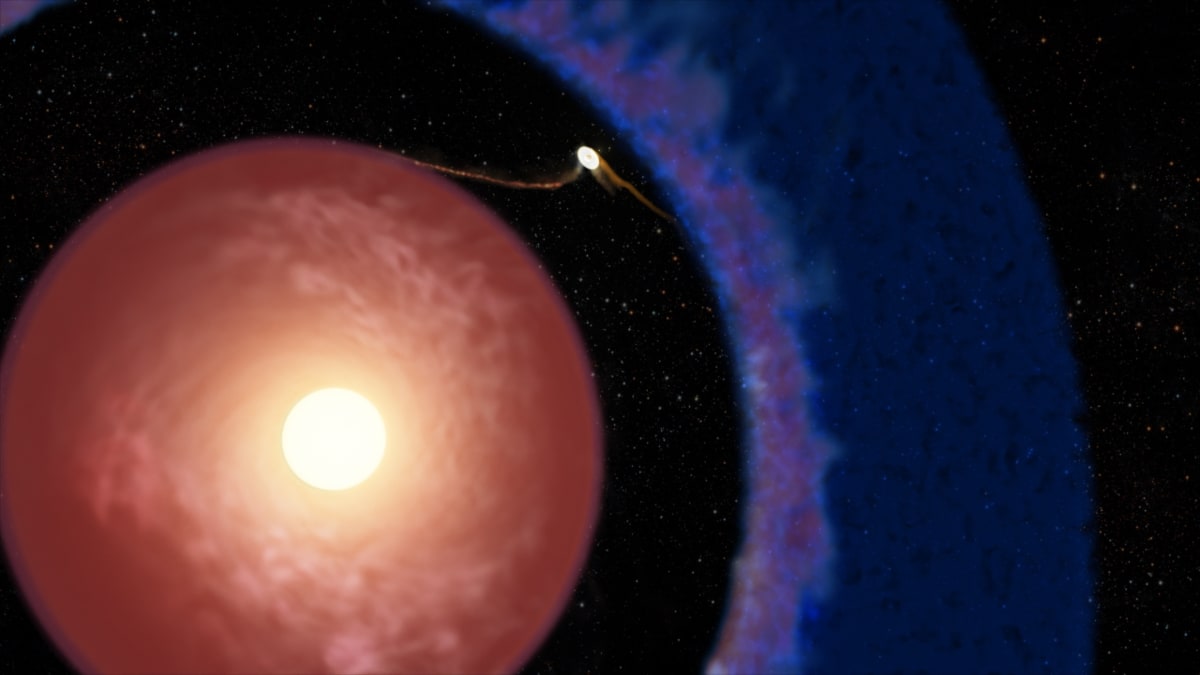
The numbers are staggering. During its first five years in orbit, Roman is expected to discover more than 100,000 exoplanets, photograph hundreds of millions of stars, and capture images of billions of galaxies. The telescope will collect nearly 20,000 terabytes of data for scientists to study.
NASA Administrator Jared Isaacman credits the telescope's rapid development to unprecedented cooperation between government and private industry. The project came together faster than expected, beating the original May 2027 deadline by eight months.
Roman's main mission targets some of the biggest questions in science. The telescope will investigate dark energy and dark matter, the mysterious forces that make up most of the universe but remain poorly understood. It will also search for Earth-like planets that might harbor life.
Why This Inspires
This telescope represents more than advanced technology. It's proof that ambitious goals become achievable when different groups work together toward a common purpose.
Julie McEnery, Roman's senior project scientist, describes the moment as standing "at the brink of unfathomable scientific discovery." Her excitement is contagious because the telescope doesn't just promise to answer existing questions. It will likely reveal phenomena scientists haven't even thought to look for yet.
The scale of discovery ahead is hard to comprehend. Roman will find more exoplanets in five years than humanity has discovered in all of history. Each one could reshape our understanding of planetary systems and our place in the cosmos.
Even the launch showcases progress in space exploration. Roman will ride a SpaceX Falcon Heavy rocket from Kennedy Space Center's historic Launch Complex 39A, the same pad that sent Apollo astronauts to the moon. Now it launches telescopes that will peer billions of light-years into space.
The telescope's completion ahead of schedule proves that today's space programs can move faster and achieve more through collaboration. What once seemed impossible is becoming routine.
In just months, Roman will begin sending back data that could answer whether we're alone in the universe.
Based on reporting by Google: NASA discovery
This story was written by BrightWire based on verified news reports.
Spread the positivity!
Share this good news with someone who needs it