January's New Moon Offers Best Views of Jupiter and Saturn
The darkest skies of January arrive this weekend, creating perfect conditions for stargazing without moonlight interference. Two bright planets and dozens of winter constellations will shine at their best for viewers across the globe.
This Saturday brings the new moon of January, and with it, the darkest night skies of the month for spotting planets and constellations that usually get washed out by moonlight.
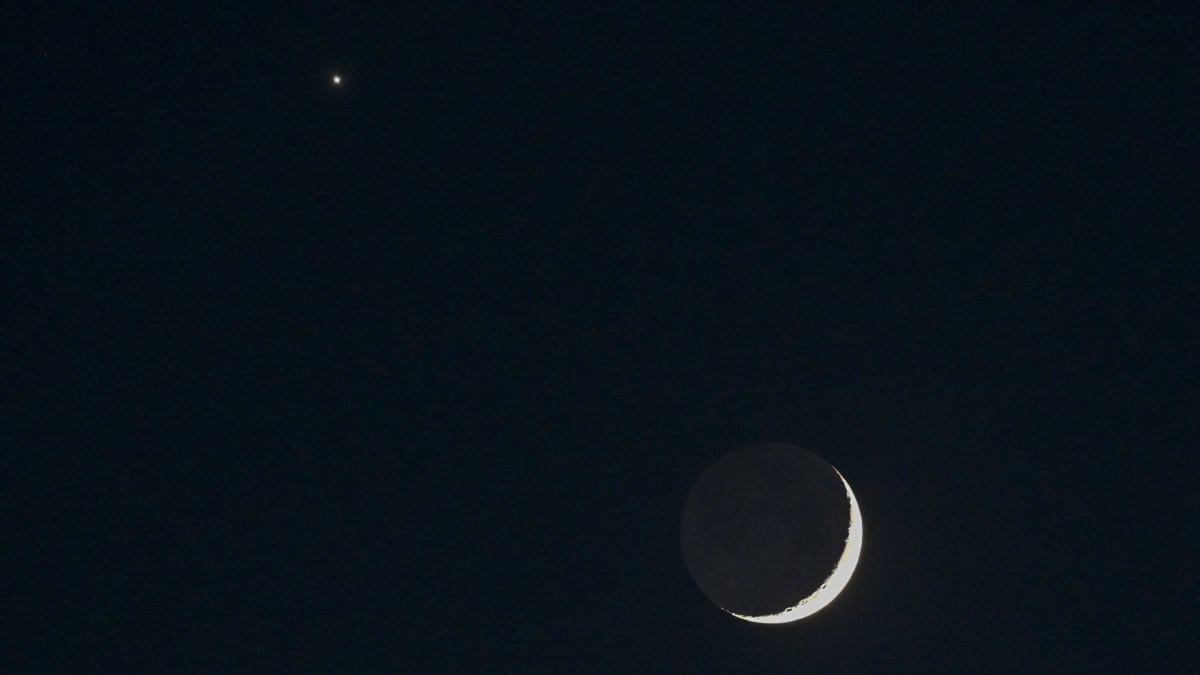
The new moon arrives at 2:52 p.m. EST on January 18, creating ideal viewing conditions for the night sky. Without the moon's glow competing for attention, even city dwellers will notice stars appearing brighter and clearer than usual.
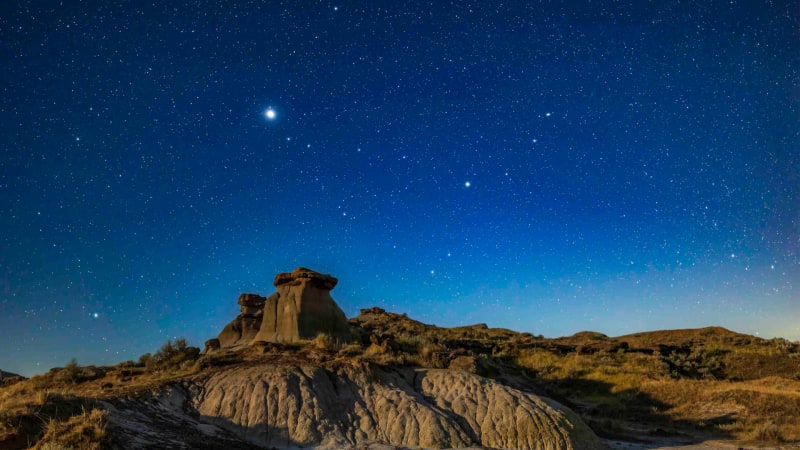
Two planets steal the show this weekend. Saturn appears in the southwestern sky starting around 6 p.m., sitting about 37 degrees above the horizon for viewers in cities like New York, Chicago, and Denver. Jupiter rises even earlier and stays visible almost all night, shining brighter than any surrounding star in the eastern sky.
Jupiter sits among the stars of Gemini, making it easy to spot. Look for a rough triangle of bright points, with the steadiest, brightest light being Jupiter. The planet reaches its highest point in the sky around 11:23 p.m. and doesn't set until nearly 7 a.m. the next morning.
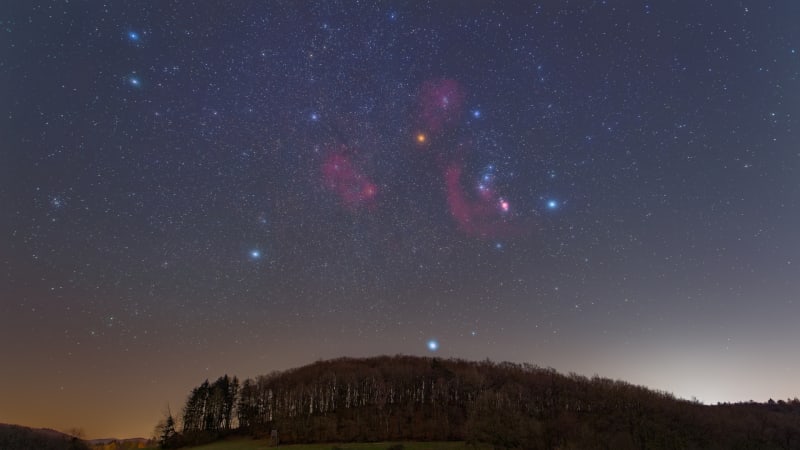
Winter constellations are putting on their full display for Northern Hemisphere observers. Orion the Hunter dominates the southern sky with his distinctive three-star belt. The bright reddish star Betelgeuse marks his shoulder, while blue-white Rigel anchors his foot.
The dark skies also reveal fainter treasures usually hidden by moonlight. Stargazers away from city lights can spot the Orion Nebula hanging like a fuzzy patch below the hunter's belt. This stellar nursery, where new stars are being born, becomes visible to the naked eye only on the darkest nights.
Southern Hemisphere viewers get their own celestial show. From cities like Santiago, Cape Town, and Melbourne, both Saturn and Jupiter appear in the evening sky, though the planets sit lower on the horizon compared to northern views.
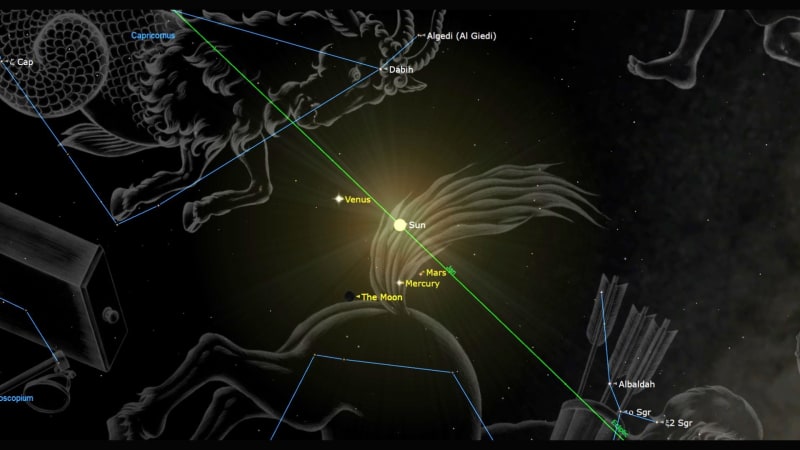
The Bright Side: While Mercury, Venus, and Mars hide in the sun's glare right now, they're just taking a brief intermission. Mercury emerges as an evening star in February, followed by Venus in March. Mars will grace predawn skies by spring, giving planet watchers something to look forward to in the coming months.
The timing couldn't be better for anyone who's been curious about stargazing but felt intimidated. No special equipment needed, just step outside after sunset and look up.
More Images
Based on reporting by Google News - Science
This story was written by BrightWire based on verified news reports.
Spread the positivity!
Share this good news with someone who needs it