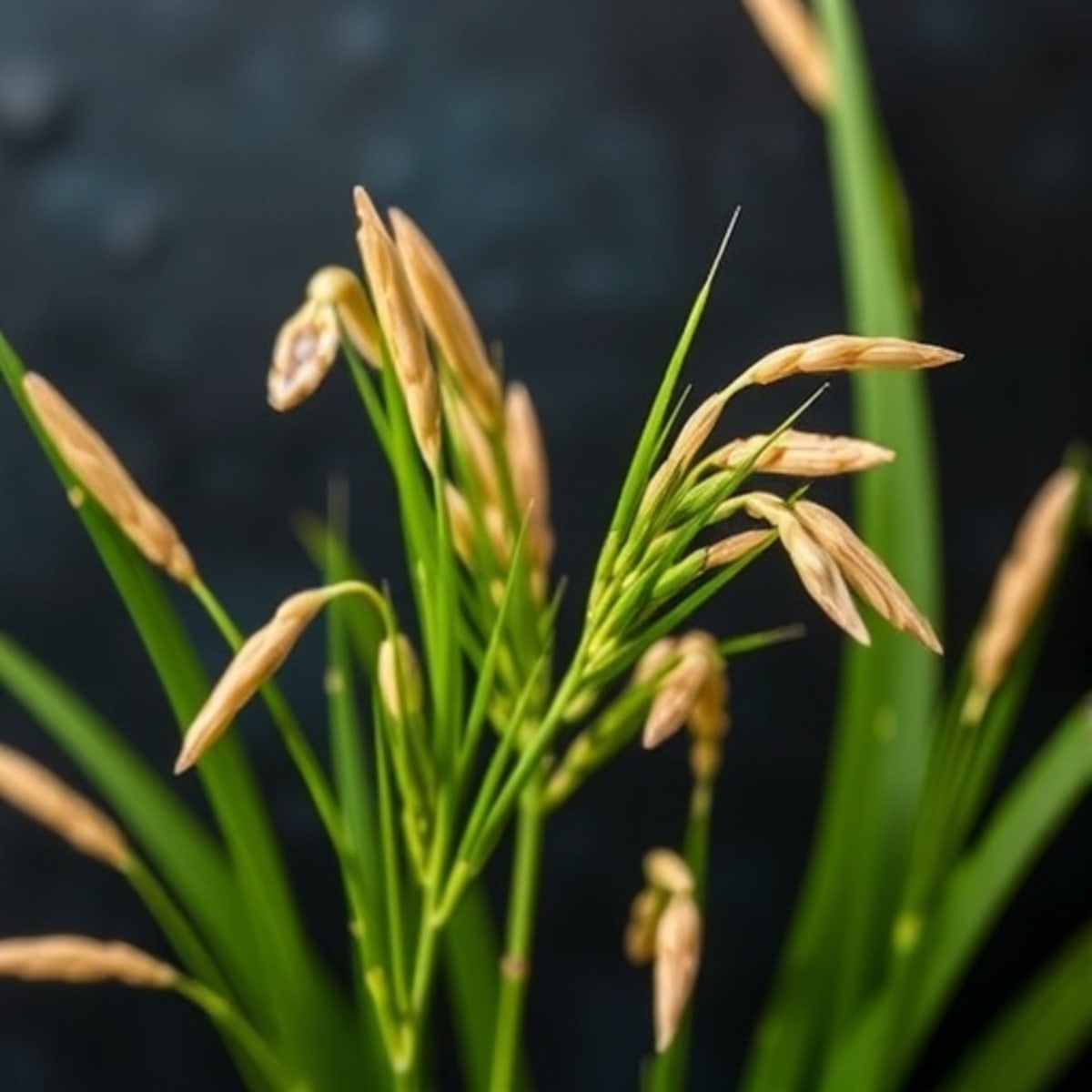
Japan Scientists Boost Rice Nutrition and Taste
Researchers in Japan discovered how magnesium moves into rice grains, opening the door to tastier, more nutritious rice for billions. The breakthrough could help farmers grow better rice even in depleted soils.
Scientists just solved a puzzle that could transform the world's most important food crop for nearly half of humanity.
Professor Jian Feng Ma and his team at Okayama University in Japan identified a protein called OsMGR2 that acts like a delivery truck for magnesium in rice plants. This discovery explains how this essential mineral reaches developing grains, affecting everything from nutrition to how the rice tastes on your plate.
The researchers used advanced techniques including gene editing to understand how OsMGR2 works. They found it sits in plant cells like a gatekeeper, moving magnesium from roots through the plant's vascular system into shoots and developing grains.
When the team knocked out this transporter in test plants, the results were dramatic. Magnesium got trapped in roots and husks instead of reaching the grains where it belongs.
The mutant rice plants struggled visibly. They grew smaller with yellowing leaves and produced shriveled, lightweight grains that lacked the clear appearance of healthy rice.
But here's where it gets really interesting for anyone who loves rice. When cooked, the mutant grains had noticeably different texture with reduced stickiness and less appealing mouthfeel. The discovery proves that magnesium transport doesn't just affect nutrition but also the eating quality that makes rice enjoyable.
This matters now more than ever because magnesium deficiency is spreading in rice-growing regions worldwide. Intensive farming and soil depletion mean crops aren't getting enough of this vital mineral, threatening both yields and nutritional value for communities that depend on rice daily.
The Ripple Effect
Professor Ma's work opens exciting possibilities for the future of rice cultivation. Plant breeders can now target OsMGR2 to develop rice varieties that maintain excellent magnesium uptake even in mineral-poor soils.
These optimized rice plants would deliver a double win: better nutrition for the billions who rely on rice as a staple food, plus improved taste and texture that consumers value. For regions facing soil challenges, this could mean maintaining food security without sacrificing quality.
The implications stretch beyond rice paddies. Similar magnesium transport systems likely exist in wheat, maize, and other staple crops. Understanding these pathways could help scientists enhance nutrition across multiple food sources, addressing global needs as populations grow and climate patterns shift.
This breakthrough transforms our understanding of how plants deliver essential nutrients exactly where they're needed most, turning basic science into practical solutions for feeding the world better.
More Images

Based on reporting by Google News - Breakthrough Discovery
This story was written by BrightWire based on verified news reports.
Spread the positivity!
Share this good news with someone who needs it