)
Japan's H3 Rocket Successfully Returns to Space
Japan's new H3 rocket successfully reached orbit after a December failure, launching a cheaper version that could help the country compete in the global space market. The mission marks a crucial comeback for Japan's space ambitions and clears the path for an ambitious year of launches ahead.
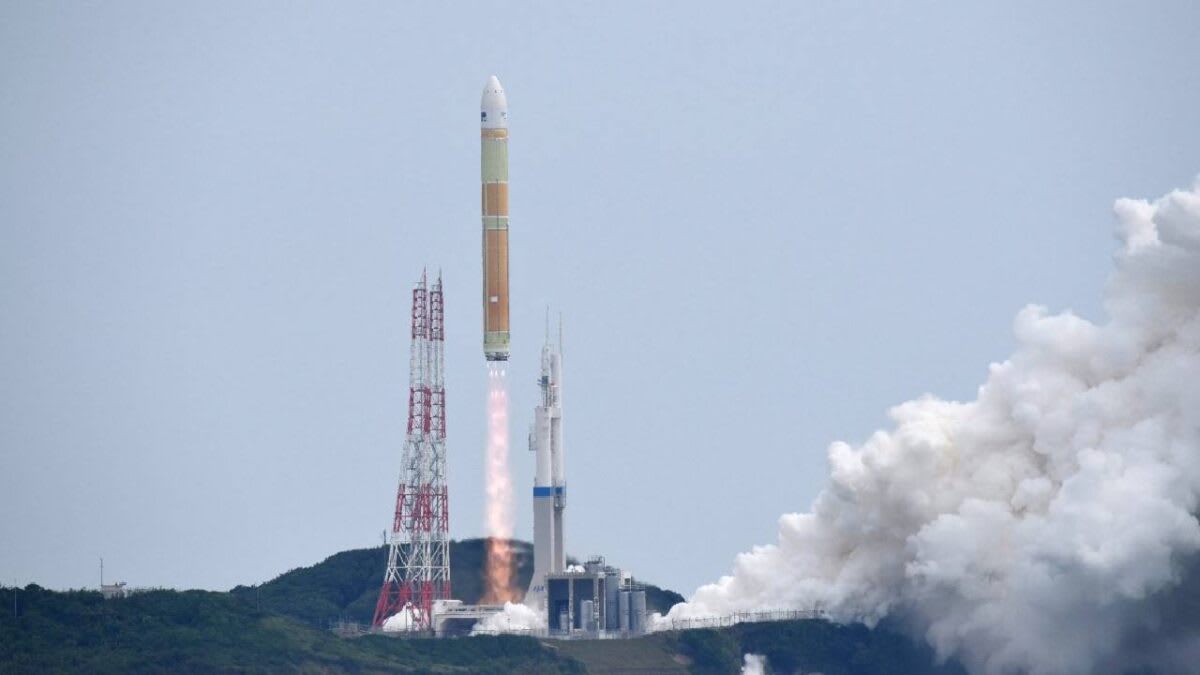
Japan just proved that setbacks don't have to stop progress. Six months after a failed mission grounded its newest rocket, the country's H3 launch vehicle returned to space Friday with a successful flight that signals a fresh start for its space program.
The H3 Launch Vehicle No. 6 lifted off from Tanegashima Space Center at 9:53 a.m. local time and reached its planned orbit just 16 minutes later. The Japan Aerospace Exploration Agency confirmed the mission was a success, marking a significant milestone after December's disappointing failure.
This wasn't just any comeback launch. Friday's mission debuted a new, lower-cost version of the H3 that Japanese officials believe will make the country more competitive in the commercial satellite launch market.
The streamlined rocket uses three liquid-fueled engines and operates without solid rocket boosters, making it the most economical member of the H3 family. As launch providers worldwide compete to attract satellite customers seeking lower costs, this new design could give Japan a valuable edge.
The H3 program, developed jointly by JAXA and Mitsubishi Heavy Industries, was created to replace Japan's aging H-IIA rocket and serve as the nation's primary launch vehicle for decades. The rocket carried a dummy satellite designed to test performance, along with six smaller satellites from universities and research organizations.
The Ripple Effect
This successful launch does more than restore confidence in one rocket. It reopens the door for Japan's entire 2026 space schedule, which includes missions to support the country's GPS-like satellite positioning system and one of its most exciting projects yet: the Martian Moons eXploration mission to study the moons orbiting Mars.
The December failure had left Japan temporarily without a reliable way to transport payloads into space, putting enormous pressure on JAXA and Mitsubishi Heavy Industries. Friday's success shows they listened, learned, and came back stronger with a more efficient design.
For a country working to establish itself as a major player in the global space industry, this moment represents more than technical achievement. It demonstrates resilience and the kind of innovation that makes space exploration increasingly accessible and affordable.
Japan's space ambitions are firmly back on track, and the world is watching.
Based on reporting by Google: SpaceX launch success
This story was written by BrightWire based on verified news reports.
Spread the positivity!
Share this good news with someone who needs it