Japan's Tiny Moon Robot Snaps Iconic Photo After Crash
A BB-8-sized rolling robot saved Japan's moon mission by photographing the crash-landed spacecraft and beaming critical images back to Earth. The palm-sized rover's success shows how tiny, transforming robots could revolutionize future space exploration.
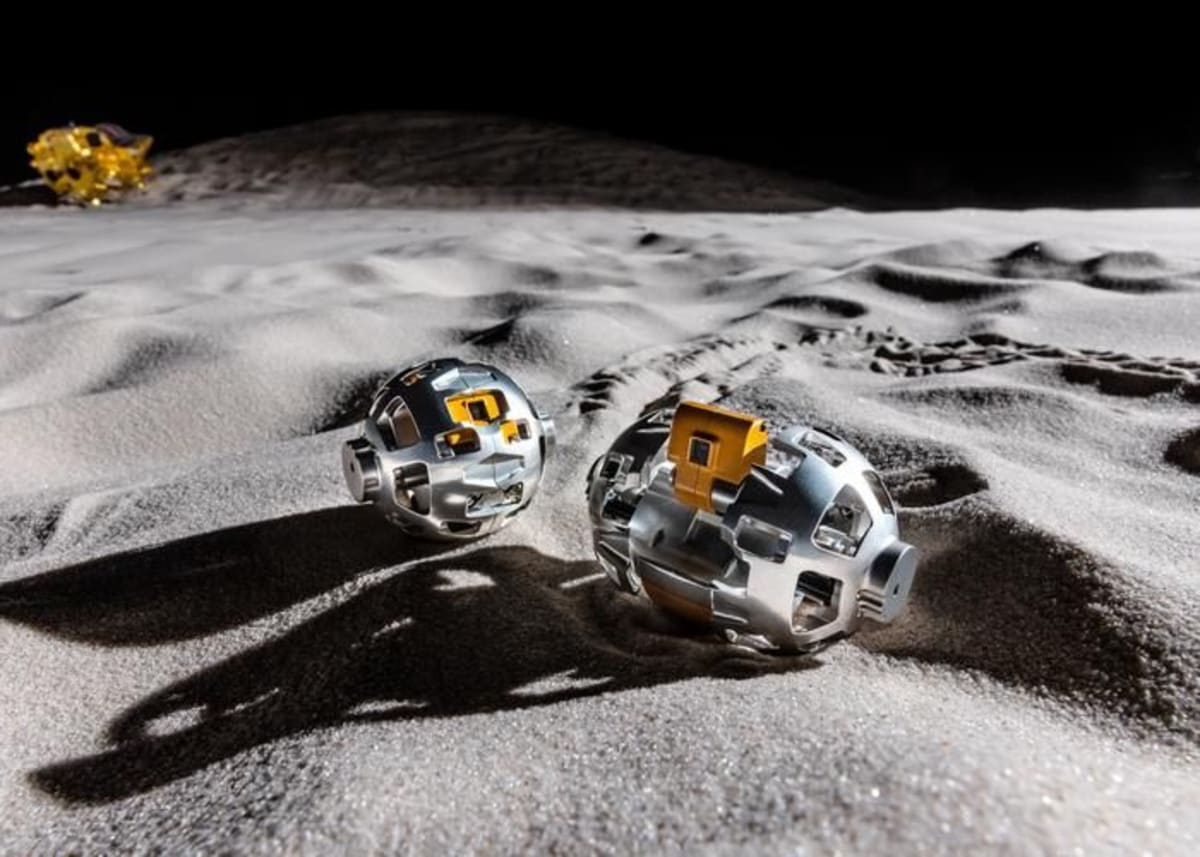
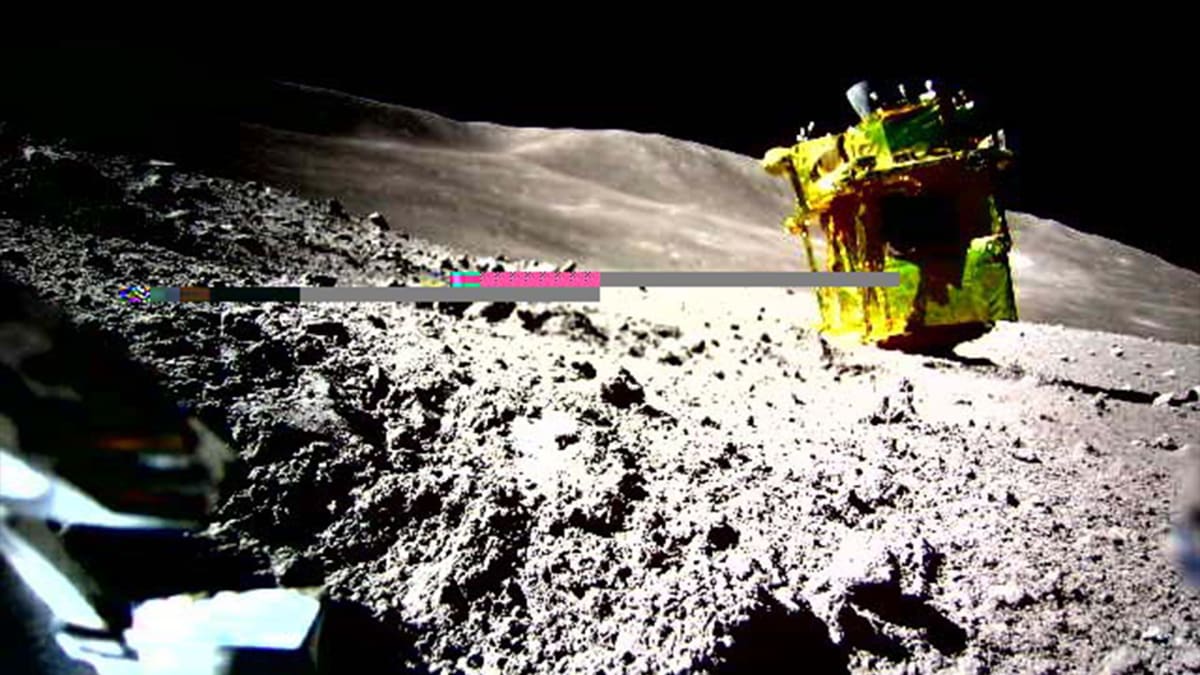
When Japan's Moon Sniper spacecraft faceplanted onto the lunar surface in January 2024, a ball-shaped robot the size of your palm rolled into action and saved the day.
The transforming rover, called LEV-2, automatically navigated around the upside-down lander, snapped photos, and transmitted them back to Earth before the frozen lunar night set in. Its iconic image of the flipped spacecraft told scientists exactly what went wrong and proved that tiny, morphable robots can handle big jobs in space.
Japan became the fifth nation to reach the moon when its Smart Lander for Investigating Moon (SLIM) touched down on January 19, 2024. But celebration turned to concern when the spacecraft's solar panels couldn't generate power after landing nose-first in the dust.
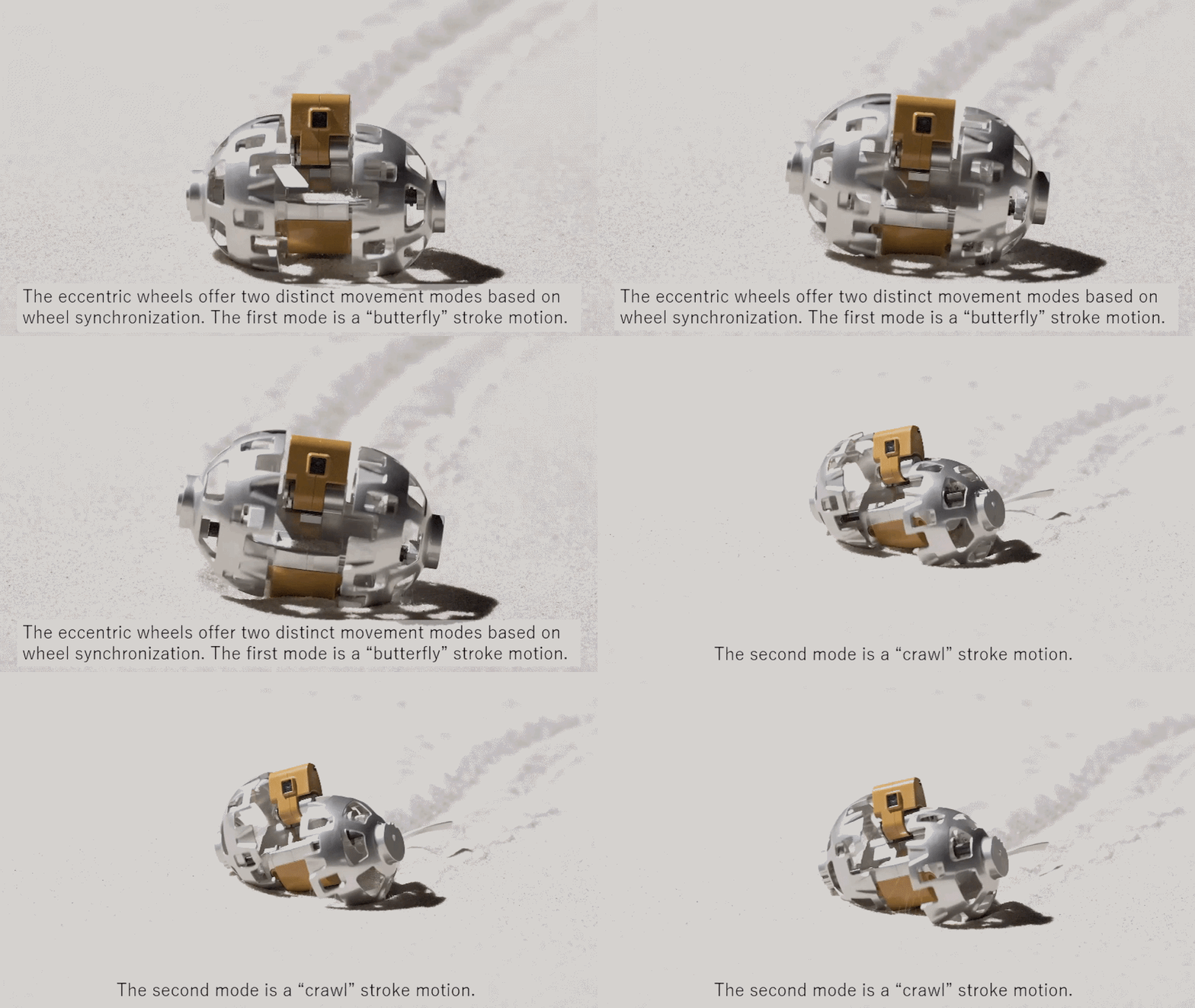
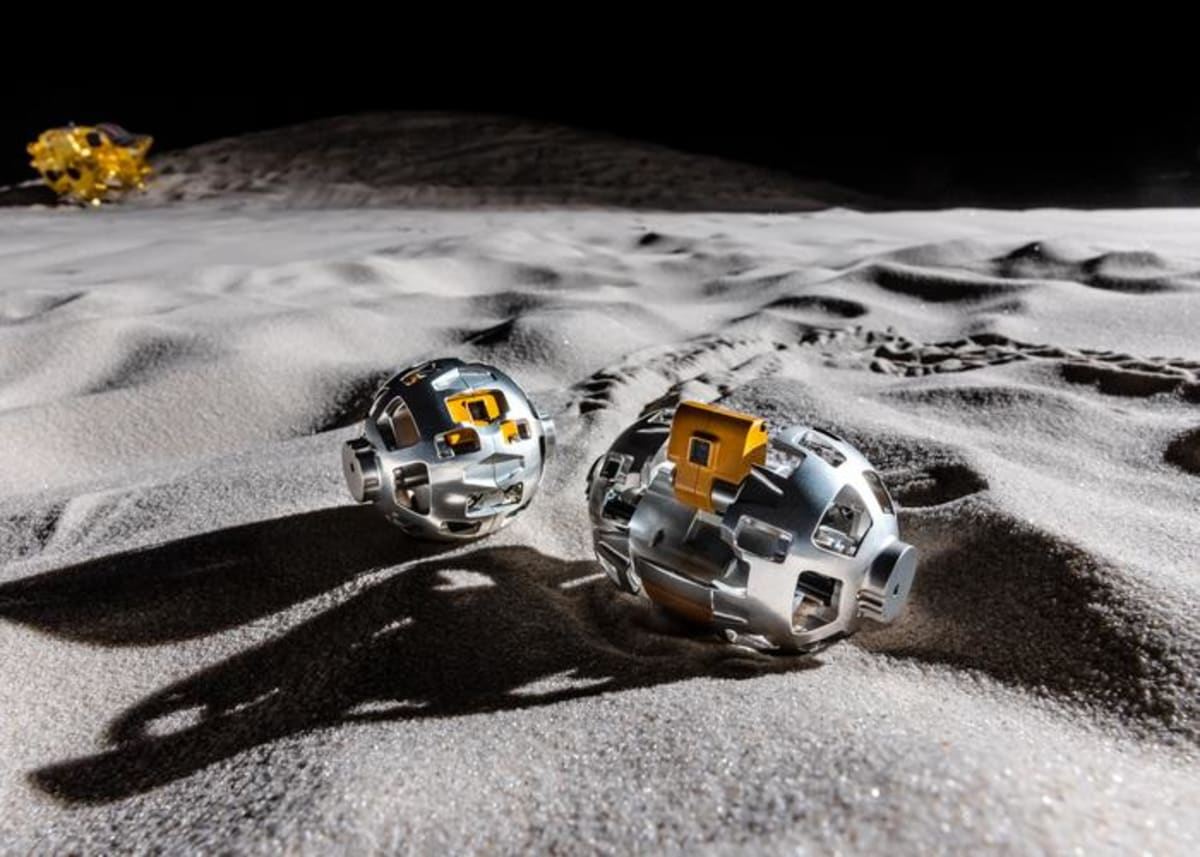
Running on backup battery, SLIM deployed LEV-2 before shutting down. The spherical robot changed shape using two internal wheels, rolling across the lunar terrain like the Star Wars droid BB-8 for about 100 minutes.
During that brief window, LEV-2 accomplished its entire mission. It navigated independently around the lander, captured images of both the spacecraft and surrounding environment, and wirelessly transmitted selected photos through a companion hopping rover called LEV-1.
The breakthrough technology demonstrated in a new Science Robotics paper shows how small, autonomous rovers could explore areas too dangerous or remote for larger spacecraft. LEV-2's morphable design let it adapt to different terrain by changing its shape, a crucial capability for unpredictable alien landscapes.
The Bright Side
Against all odds, SLIM itself survived three two-week lunar nights despite landing upside down, briefly awakening in February, March, and April before finally going silent in August. Its resilience gave scientists unexpected bonus data about lunar surface conditions.
LEV-2's mission taught engineers valuable lessons for future exploration. The team identified needs for more frequent status updates, stronger communication systems, and enhanced software that can handle unexpected situations during longer missions.
The researchers believe this approach could make planetary exploration more flexible, robust, and affordable. Small, distributed robotic systems working together might be the key to unlocking mysteries on the moon, Mars, and beyond.
This tiny rover proved that in space exploration, the smallest helpers can make the biggest difference.
More Images

Based on reporting by Live Science
This story was written by BrightWire based on verified news reports.
Spread the positivity!
Share this good news with someone who needs it