JWST Creates Most Detailed Dark Matter Map Ever Made
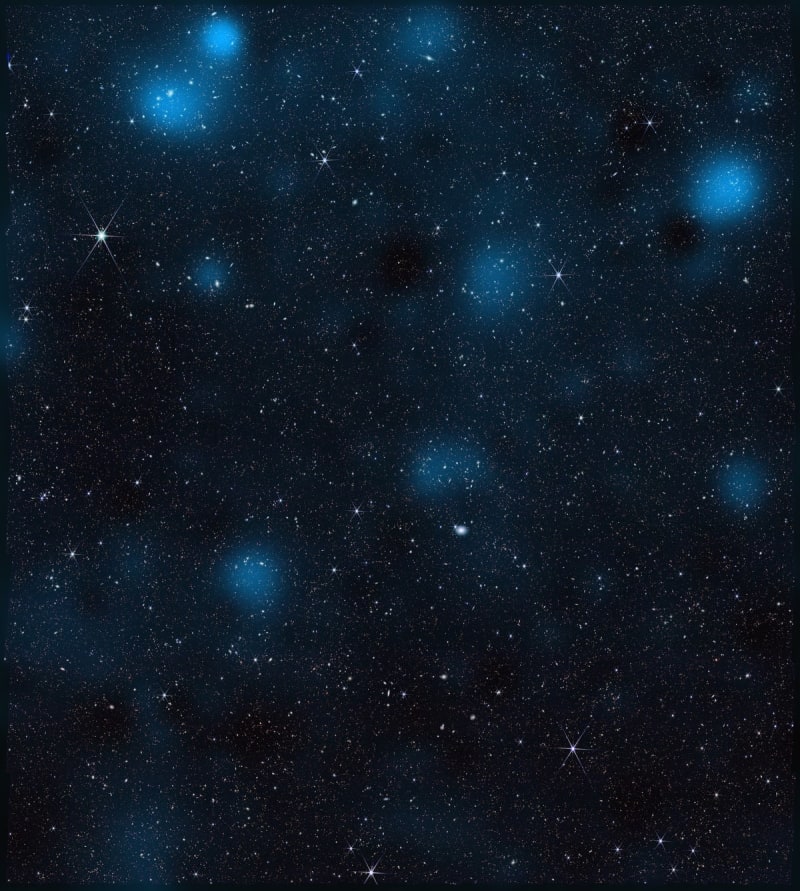
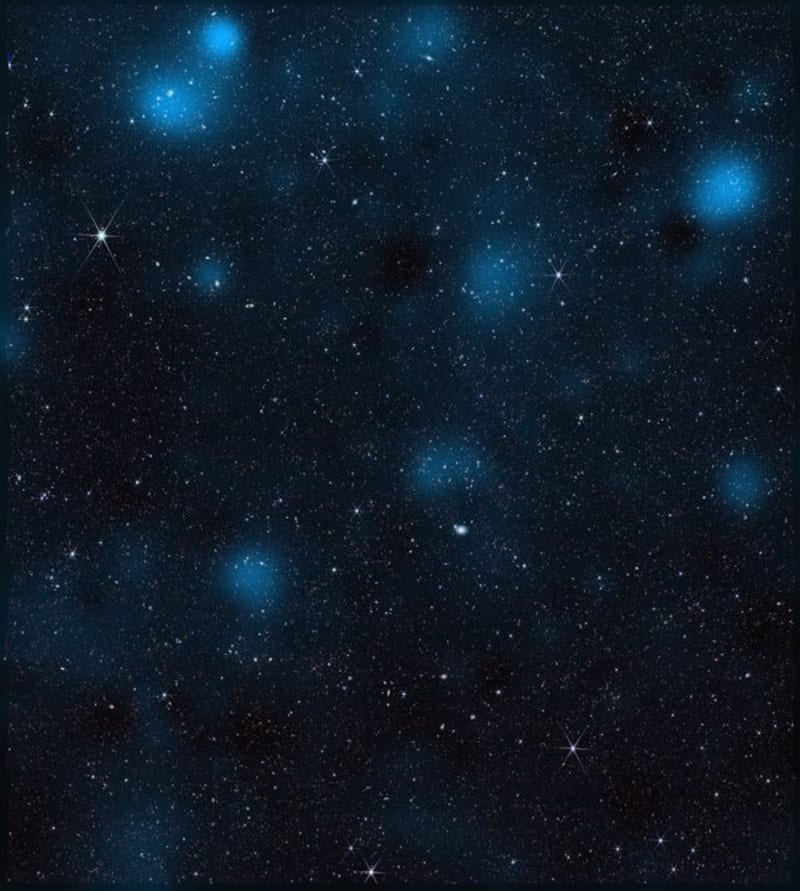
Scientists used the James Webb Space Telescope to create the most detailed map of dark matter ever made, revealing the invisible scaffolding that holds our universe together. The breakthrough could help us understand how galaxies formed during the universe's most active period.
Scientists just made the invisible visible, creating the most detailed map ever of the mysterious substance holding our entire universe together.
Using the James Webb Space Telescope, researchers traced dark matter's ghostly fingerprints across nearly 800,000 galaxies. This breakthrough map reveals structures too tiny for any previous telescope to detect.
Dark matter acts like cosmic scaffolding for everything we can see. It outweighs normal matter five times over and works like gravitational glue holding galaxies in place. Yet nobody knows what it's actually made of, and we've never directly detected it.
The team cracked this cosmic mystery by studying something called weak gravitational lensing. As light travels from distant galaxies to Earth, it passes through clumps of dark matter that slightly warp and distort the images. These distortions are so subtle that the human eye can't spot them, but they're there in every deep space photo JWST captures.
"We can see the influence of gravity on galaxy formation," says Diana Scognamiglio, a NASA researcher who co-led the study published in Nature Astronomy. "It's a way to trace, really, the backbone of the universe."
Twenty years ago, scientists thought measuring these tiny distortions was impossible. Catherine Heymans, Scotland's astronomer royal, helped prove them wrong using the Hubble Space Telescope to create the first dark matter map of this same sky region.
Now JWST's powerful optics have taken that work to new heights. The telescope can see light from 10 to 11 billion years ago, back when the universe was pumping out stars and galaxies at its fastest rate ever. This cosmic noon period holds crucial clues about how dark matter shaped the universe we see today.
Why This Inspires
This map represents the kind of persistence that pushes science forward. A generation ago, experts dismissed the idea as impossible. Today, researchers are planning even more detailed maps for 20 years from now.
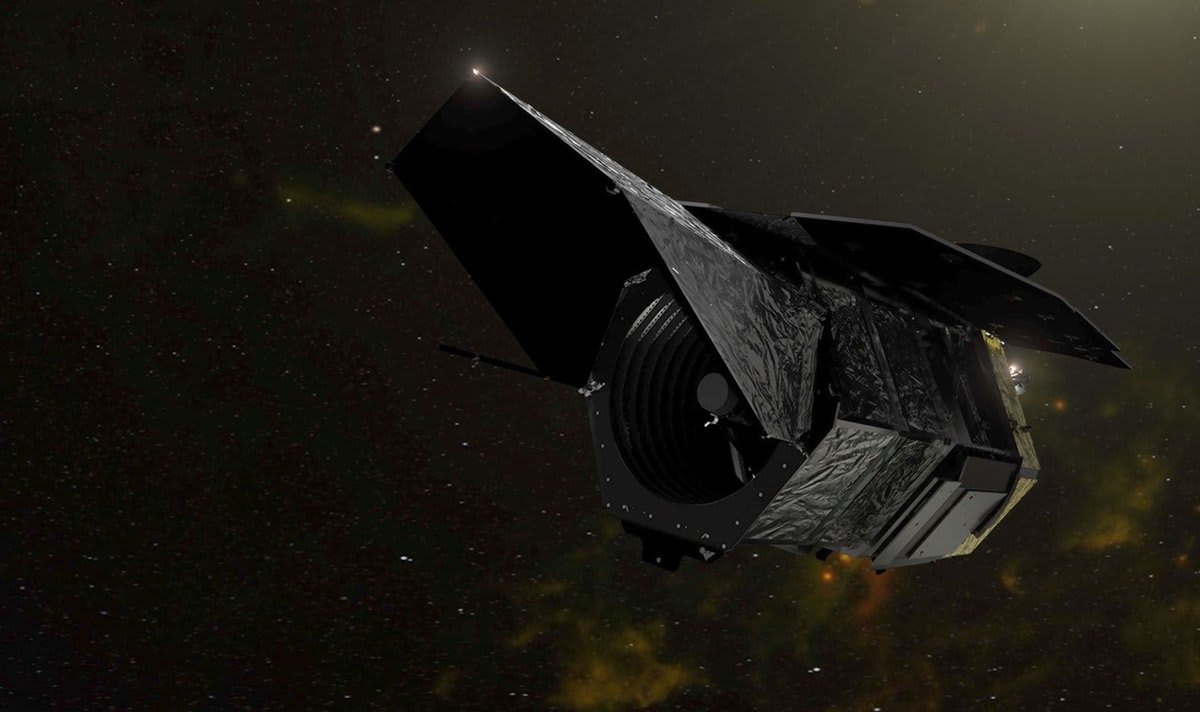
The work also shows how collaboration amplifies discovery. New telescopes like Euclid and the Nancy Grace Roman Space Telescope will expand these maps across much larger areas of sky. Ground-based projects are joining the effort too, each adding pieces to the puzzle.
What once existed only in computer simulations now appears starkly before our eyes. We're literally seeing the unseeable, mapping the cosmic glue that makes galaxies, stars, planets, and ultimately us possible.
The universe just became a little less mysterious and a lot more wonderful.
More Images


Based on reporting by Google: James Webb telescope
This story was written by BrightWire based on verified news reports.
Spread the positivity!
Share this good news with someone who needs it