Lake Fly Larvae Survive Crushing Depths in Lake Malawi
Tiny insect larvae in Lake Malawi dive over 650 feet deep every day using air sacs that withstand pressure that should crush them. Their surprising toughness is rewriting what scientists thought they knew about why insects never conquered the ocean.
Billions of microscopic submariners are challenging everything scientists believed about the limits of insect life.
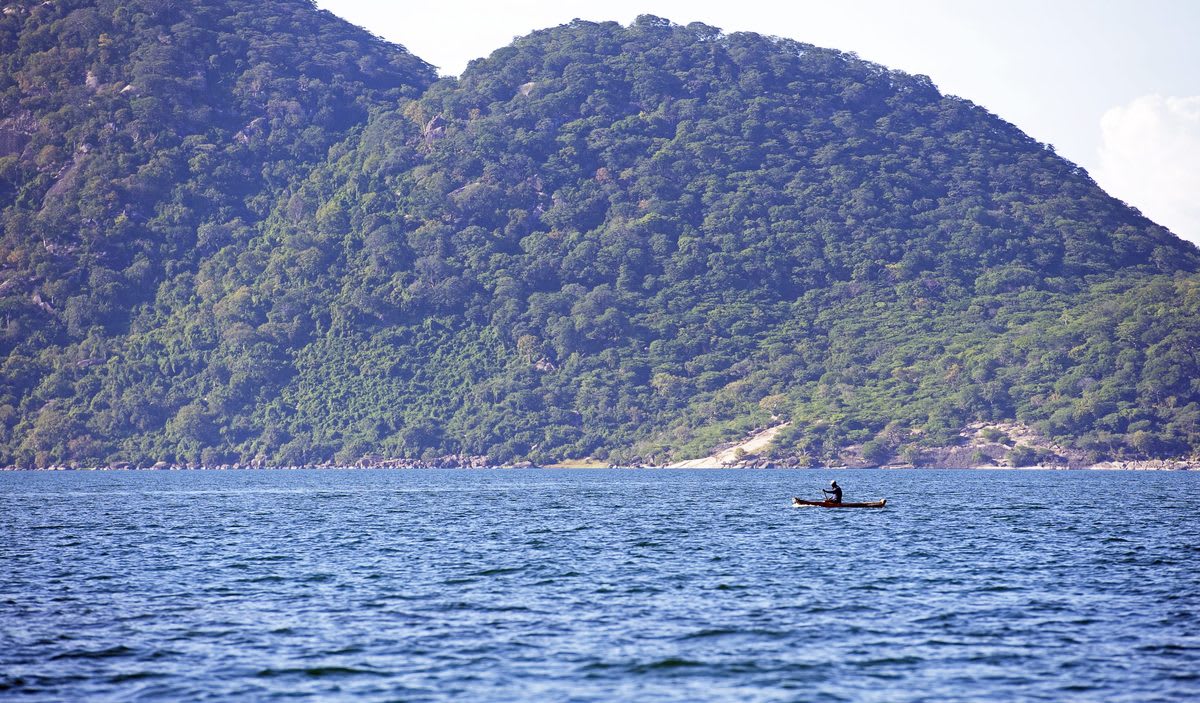
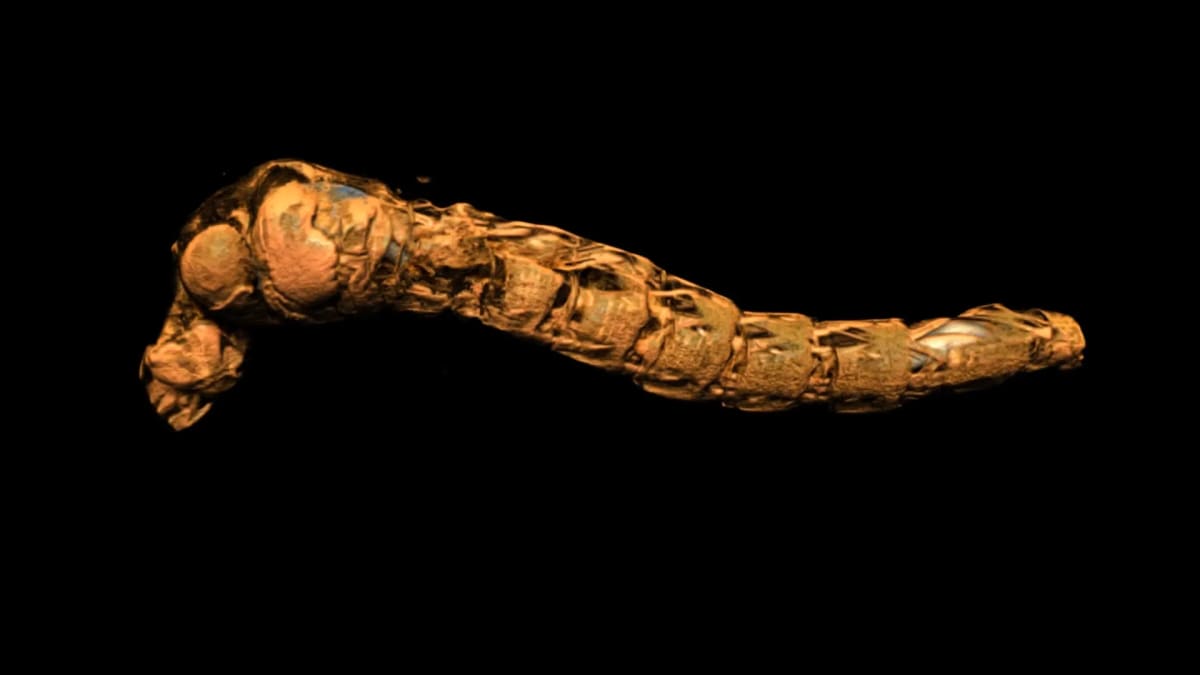
Deep in Lake Malawi, East Africa, lake fly larvae make an incredible journey every single day. They plunge more than 650 feet down into oxygen-starved waters where predators can't follow, then rise back up at night to feed.
The larvae's secret weapon sounds simple but it's actually revolutionary. They've transformed part of their breathing system into four tiny air sacs that work exactly like a submarine's ballast tanks.
These sacs are made from resilin, a biological rubber found in many insects. By changing the pH inside the sac walls, the larvae can make the resilin expand or shrink, giving them perfect control over whether they float up or sink down.
University of British Columbia researchers Drs. Philip Matthews and Evan McKenzie tracked the massive swarms using sonar placed on the lake floor. What they saw was mind blowing: billions of larvae moving together through the water column like a living cloud.
When the team tested how much pressure the air sacs could handle, they got a shock. The sacs survived pressures found at depths over 1,300 feet, more than double what the larvae actually experience.
That discovery matters beyond one African lake. Scientists have long believed insects never colonized the open ocean because deep water pressure would crush the air spaces they need to breathe. These tough little larvae prove pressure alone can't explain that mystery.
The Ripple Effect
The larvae's incredible air sacs could inspire breakthrough technologies here on land. Engineers are already exploring how to use resilin to create artificial muscles that move when triggered by pH changes.
The material behaves almost like perfect biological rubber, bending repeatedly without wearing out. In other insects, it powers wing hinges and tendons that last a lifetime.
Smart materials based on this system could one day power soft robotics or medical devices. Sometimes the best engineering solutions come from watching nature solve problems we didn't even know could be solved.
These tiny divers are proving that life finds ways to thrive in places we assumed were impossible.
Based on reporting by Science Daily
This story was written by BrightWire based on verified news reports.
Spread the positivity!
Share this good news with someone who needs it