Lead-Free Solar Cells Last Months Instead of Hours
Scientists created toxic-free solar panels that survive moisture and air for months, not days. The breakthrough brings safe, efficient solar power closer to your rooftop.
Solar panels might soon get cleaner and safer thanks to a new material that ditches toxic lead without sacrificing power.
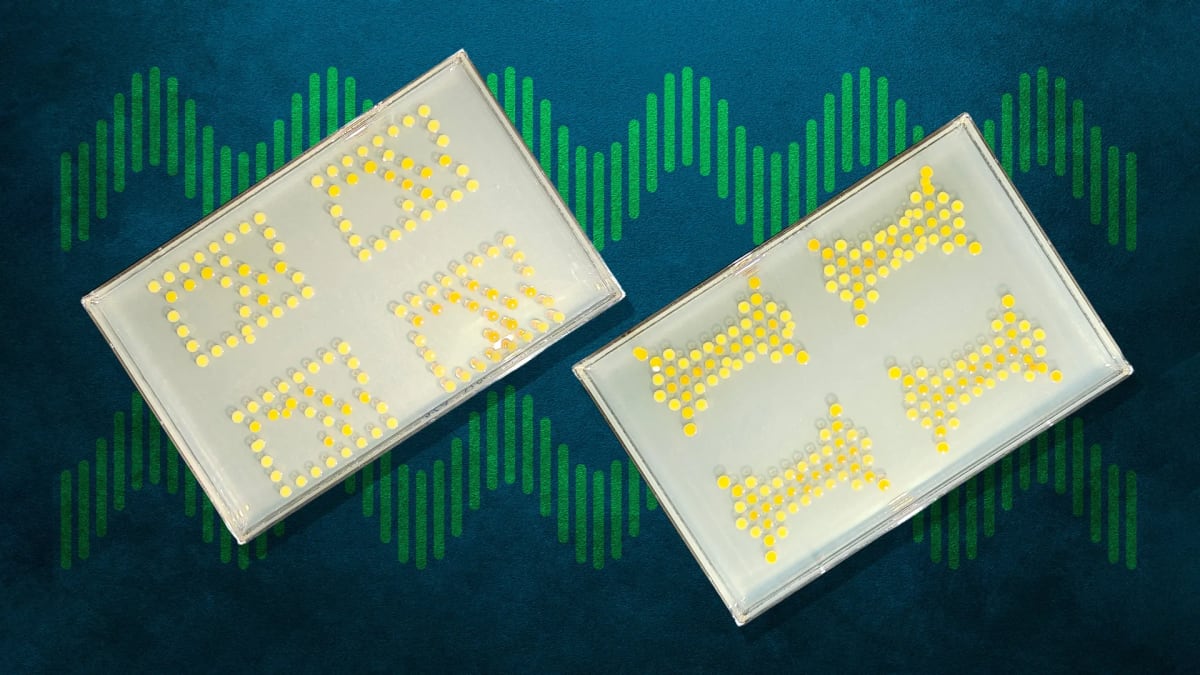
Researchers at the University of Wisconsin-Madison and the Rocky Mountain Research Station developed a lead-free solar cell that can withstand real-world conditions. Their secret ingredient: a special coating that acts like a raincoat for the sensitive materials inside.
Most high-efficiency solar panels today use lead-based perovskite materials that capture sunlight effectively but pose environmental risks. Tin perovskite offered a safer alternative, but it had one fatal flaw: exposure to oxygen and moisture destroyed it within hours or days.
The research team discovered that adding chlorine to the material's organic components makes its crystal structure pack more tightly. Think of it like weatherproofing a house by sealing every crack and gap.
The results exceeded expectations. While conventional tin perovskites crumble in days, the new material maintained its structure for several months in open air.
Performance tests showed the solar cells converting sunlight to electricity at 16.2 percent efficiency, matching the best tin-based cells ever created. After 1,600 hours in dry air, the cells retained over 95 percent of their original power output.
Even under harsh conditions simulating continuous sunlight at 55°C for 1,000 hours, the cells kept 80 percent of their efficiency. These numbers suggest the technology could handle real rooftops, not just laboratory conditions.
Why This Inspires
This breakthrough solves a problem that has stumped scientists for years: creating solar technology that's both safe and durable. Lead contamination from damaged solar panels poses serious environmental and health risks, especially as millions more panels get installed worldwide.
The new material proves we don't have to choose between clean energy and clean materials. As solar power expands across homes, schools, and businesses, removing toxic components makes the renewable energy transition safer for communities and ecosystems.
The study, published in Nature Materials, shows improved durability didn't require sacrificing efficiency. That's rare in materials science, where strengthening one property often weakens another.
While the technology needs more testing before hitting the market, it offers a clear path forward. Researchers now know that strategic chemical additions can protect sensitive materials without compromising their power-generating abilities.
Lead-free solar panels that last for years instead of days are no longer a distant dream but an engineering challenge with a solution in sight.
More Images

Based on reporting by Google: solar power breakthrough
This story was written by BrightWire based on verified news reports.
Spread the positivity!
Share this good news with someone who needs it