Life May Have Started Twice on Early Earth
Scientists discovered that life on Earth might have emerged not once, but twice, with bacteria and archaea evolving separately from a shared ancestor that wasn't fully alive. This groundbreaking finding rewrites our understanding of how chemistry became biology 4.2 billion years ago.
The story of life on Earth just got twice as interesting.
Scientists at Heinrich Heine University Düsseldorf have published evidence that life didn't emerge once from the primordial ooze four billion years ago. Instead, it happened twice, with bacteria and archaea each making the leap from chemistry to biology independently.
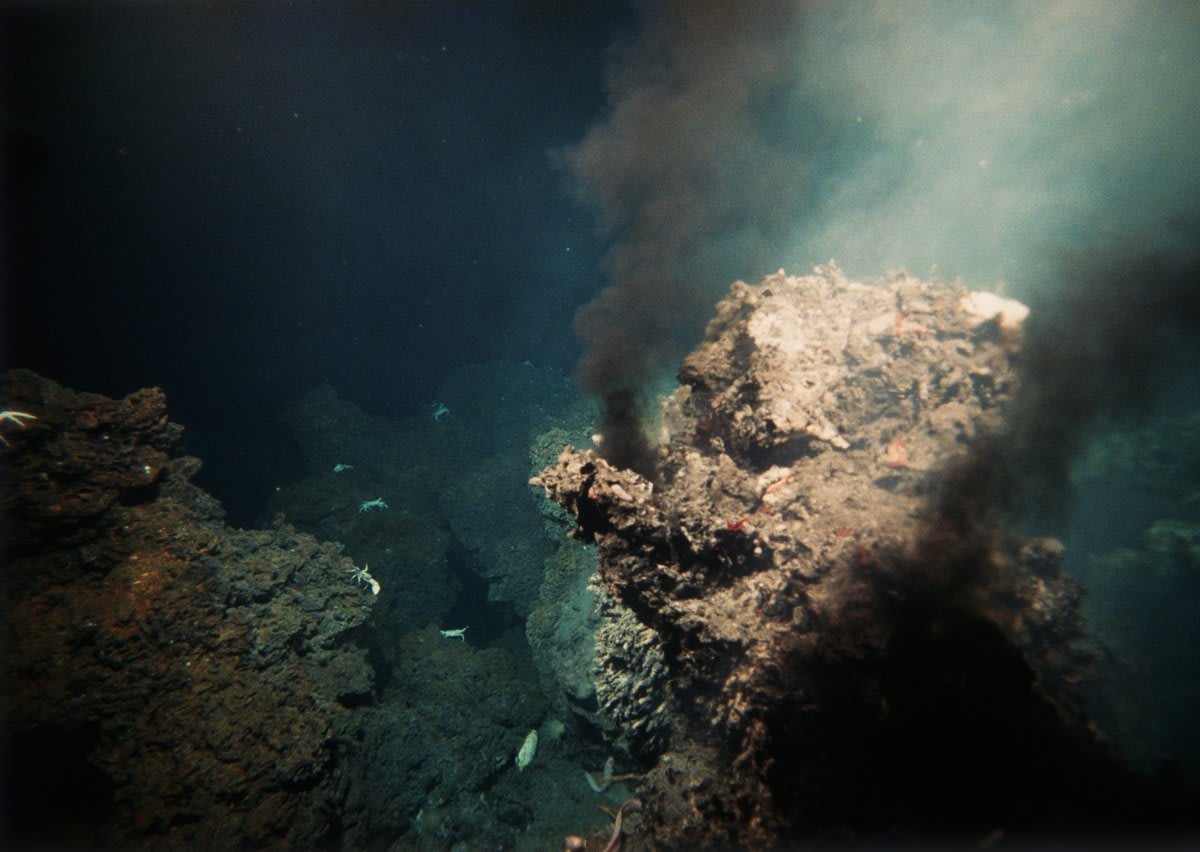
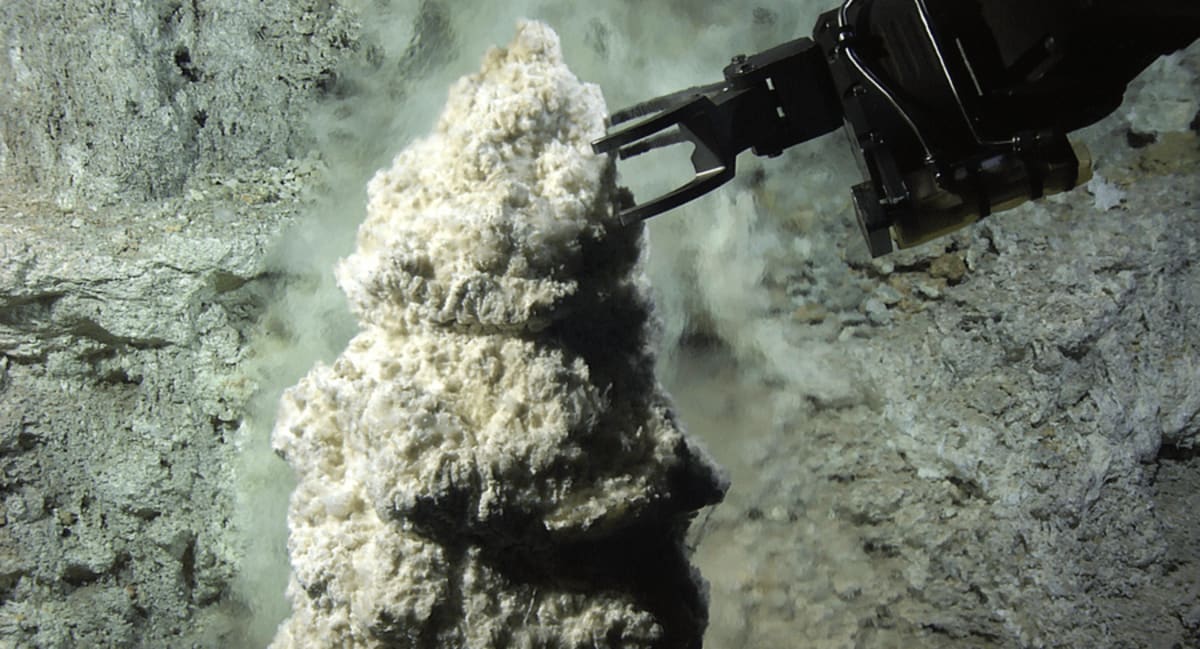
The last common ancestor of all living things, known as LUCA, wasn't actually alive in the way we understand it today. This primitive cluster of RNA, DNA and enzymes lived stuck inside rocks at hydrothermal vents on the ocean floor, completely dependent on metals from the vents to run its metabolism.
Over countless chemical combinations and unfathomable time, the bacteria and archaea that evolved from LUCA invented their own internal enzymes. These biological catalysts let them break free from the rocks and become true free-living cells.
"We're getting a view into the phase of evolution where these very primitive proto-organisms were inventing enzymes that enabled them to cut loose from the crust," says senior author William Martin, an evolutionary biologist.
The research team compared genomes representing all groups of bacteria and archaea. They found these two branches of life only shared common genes for about half the enzymes needed for basic reactions. The rest were unique to each group, suggesting they "traversed the path to free-living cells, at least in part, independently."
LUCA existed about 4.2 billion years ago during the Hadean eon, when Earth's surface was still scorching hot. The oldest uncontested fossils are 3.5-billion-year-old stromatolites, which means there's a 700-million-year gap in the rock record where this transformation happened.
Martin's lab has shown that metals can replace biological enzymes in many basic metabolic processes. In their latest experiments, they found that palladium can catalyze a crucial reaction that releases energy and could have powered LUCA's proto-metabolism.
Why This Inspires
This discovery gives us a completely new way to think about life's beginnings. Rather than a single miraculous moment when chemistry became biology, we're looking at an extended period of evolutionary experimentation happening inside rocks.
The idea that primitive life forms essentially taught themselves to break free from their mineral crutches shows the remarkable persistence of biology. Even at its most basic level, life found not one but two ways to become independent.
Betül Kaçar, director of a NASA astrobiology center, says the findings are "very plausible" but notes we still have work to do. Understanding exactly how chemistry and geology passed the baton to biology remains one of science's greatest mysteries.
This research reminds us that life is more resilient and creative than we imagined, finding multiple pathways forward even in Earth's most hostile early conditions.
More Images

Based on reporting by Scientific American
This story was written by BrightWire based on verified news reports.
Spread the positivity!
Share this good news with someone who needs it