Lost Cargo Helps Scientists Track Ocean Currents
When storms dumped 40 shipping containers into the sea, oceanographers turned a messy spill into a scientific opportunity. The floating chips, onions, and foam are helping researchers better understand how our oceans move.
When you find frozen chips washing up on your local beach, it's easy to see it as just a mess. But for oceanographers, it's a rare chance to watch the ocean's invisible highways in action.
Over the holidays, rough seas knocked 16 containers off the cargo ship Baltic Klipper near England's southeast coast. Storm Goretti followed with 24 more from two other vessels, sending chips and onions floating toward Sussex beaches.
While locals saw a nuisance, scientists like Simon Boxall from the University of Southampton saw something else: an accidental experiment playing out in real time. These floating foods act like massive messages in bottles, revealing exactly how currents and tides move things around our seas.
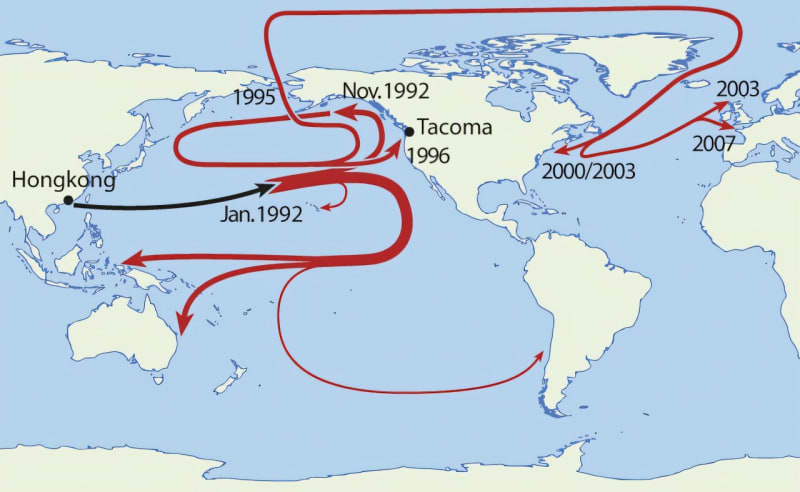
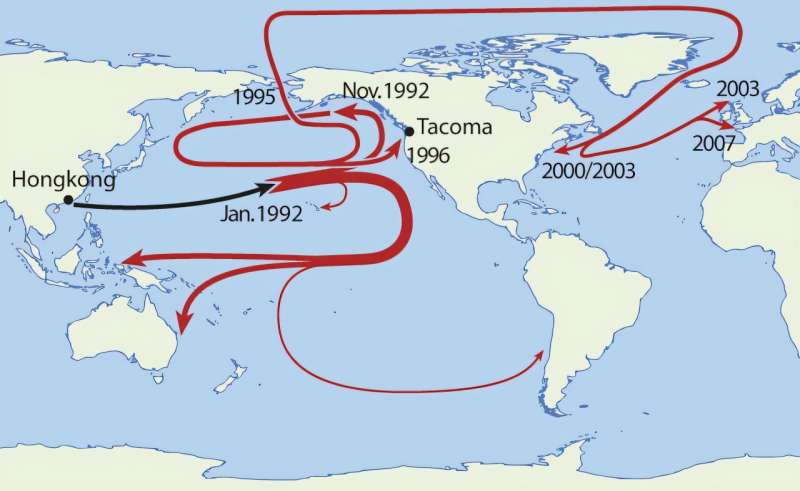
This isn't the first time lost cargo has helped science. In 1992, a container spilled 28,800 plastic bath toys into the North Pacific. Scientists tracked those "friendly floatees" for over a decade, using them to improve models of ocean circulation that we still rely on today.
The good news? Container losses are actually rare. Out of 250 million containers shipped worldwide each year, only about 1,274 are lost. That's a success rate of 99.9995%. In 2024, losses dropped even further to just 576 containers globally.
Modern container ships are engineering marvels, carrying up to 25,000 containers stacked like apartment buildings. The trade-off for this efficiency is that extreme storms can sometimes exceed what the securing systems can handle. Making ships 100% spill-proof would mean smaller vessels, higher costs, more fuel use per ton, and actually increase overall accident risks.
The Bright Side
Here's where things get genuinely better. Starting January 1, 2026, new international rules require ship owners to report all cargo losses and their contents immediately. For years, many spills went unreported or poorly documented, making cleanup and tracking nearly impossible.
The new regulations mean faster response times, better accountability, and clearer information for coastal communities and scientists alike. Insurance companies now have stronger incentives to invest in better securing systems.
Scientists are also using these incidents to prepare for future challenges. As climate change intensifies storms and trade continues growing, understanding how objects move through our oceans becomes more important than ever. Each accidental spill, while unfortunate, teaches researchers how to better predict where debris will go and how to respond faster.
The English Channel, one of the world's busiest shipping lanes, serves as an unintended testing ground. Southampton handles some of the planet's largest container ships, giving researchers a front-row seat to real-world ocean dynamics.
Next time you hear about floating onions or wayward bath toys, remember: every cloud has a silver lining, even the stormy ones over the ocean.
More Images

Based on reporting by Phys.org
This story was written by BrightWire based on verified news reports.
Spread the positivity!
Share this good news with someone who needs it