Lost Fossil Rewrites Dinosaur Family Tree After 20 Years
A forgotten fossil fragment, missing for two decades, just revealed a new species that fills a crucial gap in understanding how dinosaurs and crocodiles evolved. The discovery in Brazil proves ancient reptiles spread farther across the planet than scientists ever knew.
A fossil fragment that went missing for over 20 years has just rewritten what we know about dinosaur ancestry.
Researchers rediscovered the lost piece in 2022 during a routine visit to a university collection in Brazil. When they matched it with other remains, they realized they had found an entirely new species that lived 240 million years ago, long before dinosaurs ruled the Earth.
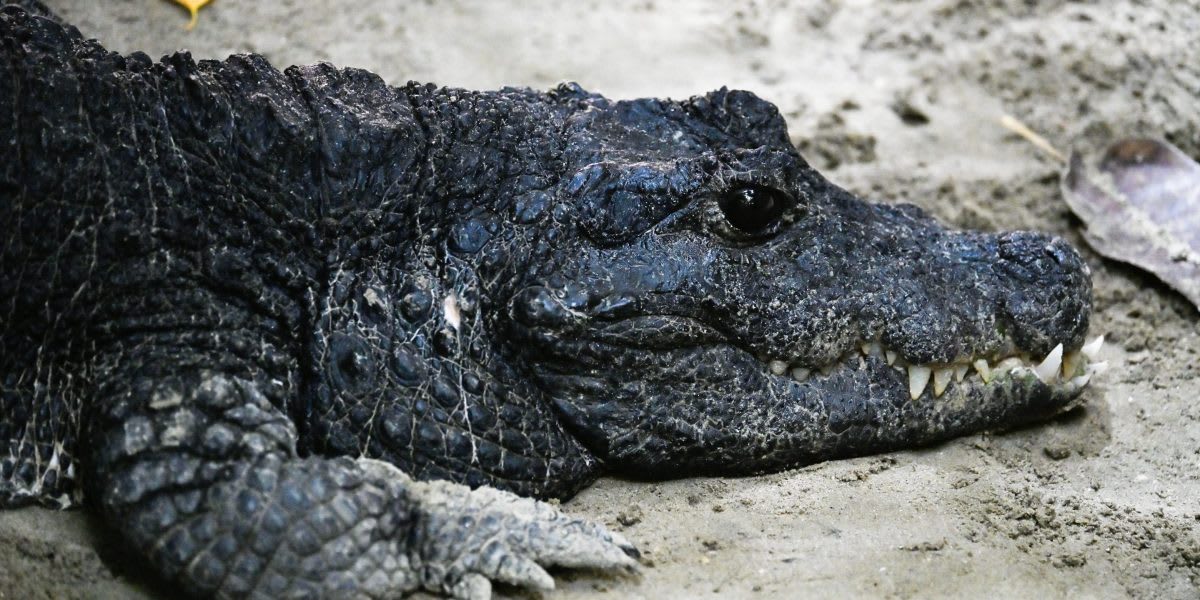
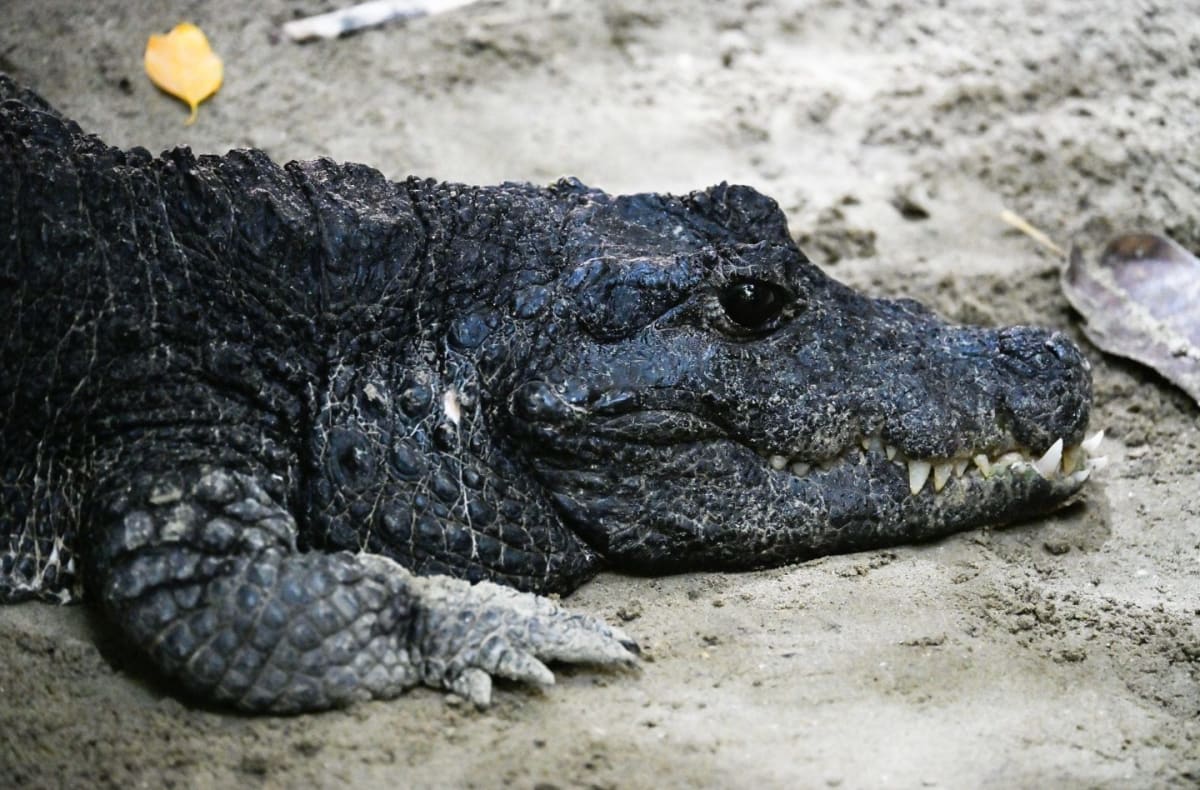
The animal, named Silescelida acristata, was about the size of a small alligator and prowled what is now southern Brazil. It wasn't quite a dinosaur or a crocodile, but it belonged to the family tree that would eventually branch into both groups.
Scientists from three Brazilian universities worked together to study the fossil, which was originally found in rocks that are now part of a UNESCO geopark. The bones mainly include limbs, which might sound limited, but they tell an incredible story about how these ancient reptiles learned to walk.
The creature's thigh bone shows it stood with semi-erect legs positioned lower under its body rather than splaying out to the sides. This more upright posture made walking more efficient and hints at the body changes that would later help dinosaurs dominate the planet.
The fossil also solves a geographic mystery. Until now, similar reptiles had only been found in Africa, Asia, and Europe. Finding one in South America proves these animals spread across the ancient supercontinent far more widely than the fossil record suggested.
The Bright Side
The discovery highlights how much we still have to learn about Earth's deep past. The animal lived during a time when the planet was recovering from the worst mass extinction in history, which wiped out most life 252 million years ago.
In the aftermath of that catastrophe, different groups of reptiles experimented with new body shapes and ways of moving. Some of those experiments led nowhere, but others paved the way for the most successful land animals ever to exist.
The name Silescelida honors the fossil's unusual journey. It combines words for "silence" and "leg," referring to the decades the bones spent forgotten and the limb fragments that survived.
Southern Brazil is emerging as one of the world's most important sites for understanding this critical period in evolution. The region's rocks preserve creatures from various stages of vertebrate history, including some of the oldest known dinosaurs.
Every rediscovered fossil teaches us that persistence pays off, even when crucial evidence hides in plain sight for 20 years.
More Images



Based on reporting by Google: fossil discovery
This story was written by BrightWire based on verified news reports.
Spread the positivity!
Share this good news with someone who needs it