Lost Medieval Convent Found Under Danish Soccer Field
Archaeologists in Denmark discovered a remarkably preserved 13th-century convent just three feet beneath a modern soccer field. The find promises to reveal secrets about medieval life that historians thought were lost forever.
Sometimes the most extraordinary discoveries hide just beneath our feet, waiting for the right moment to resurface.
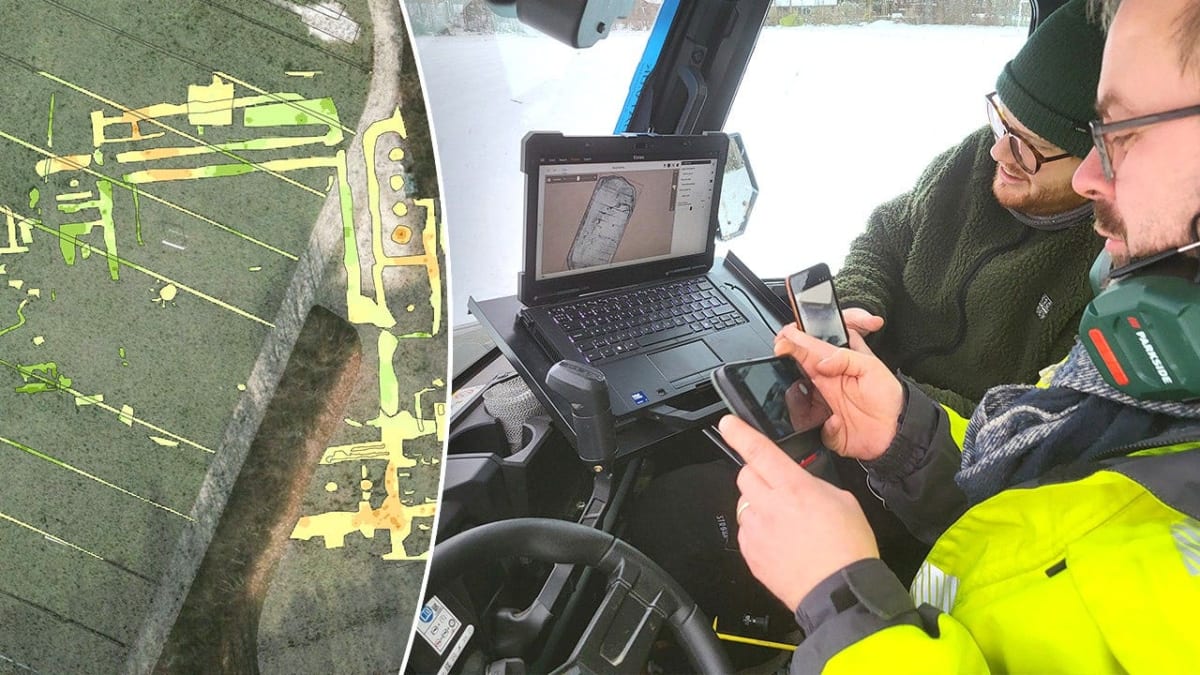
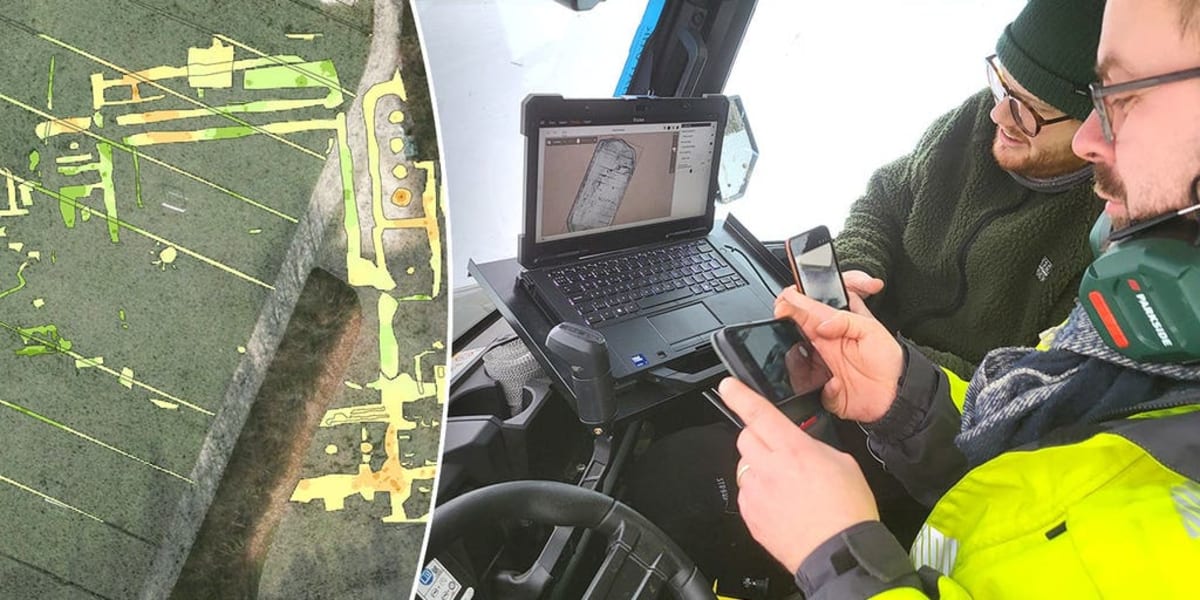
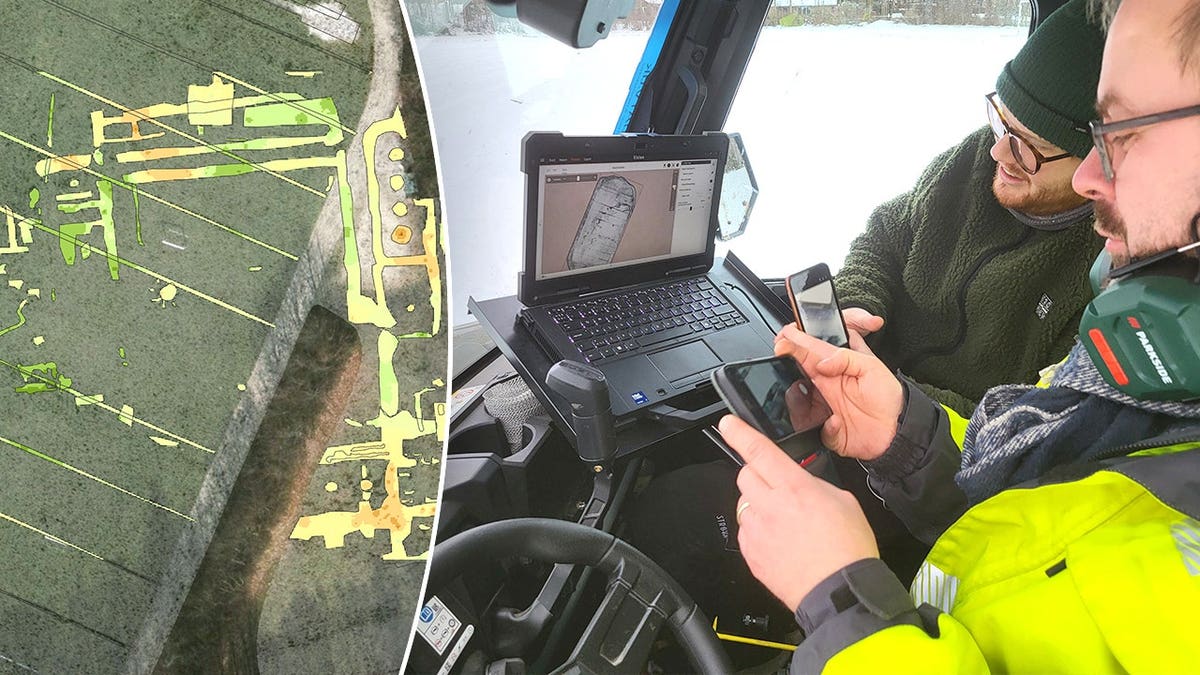
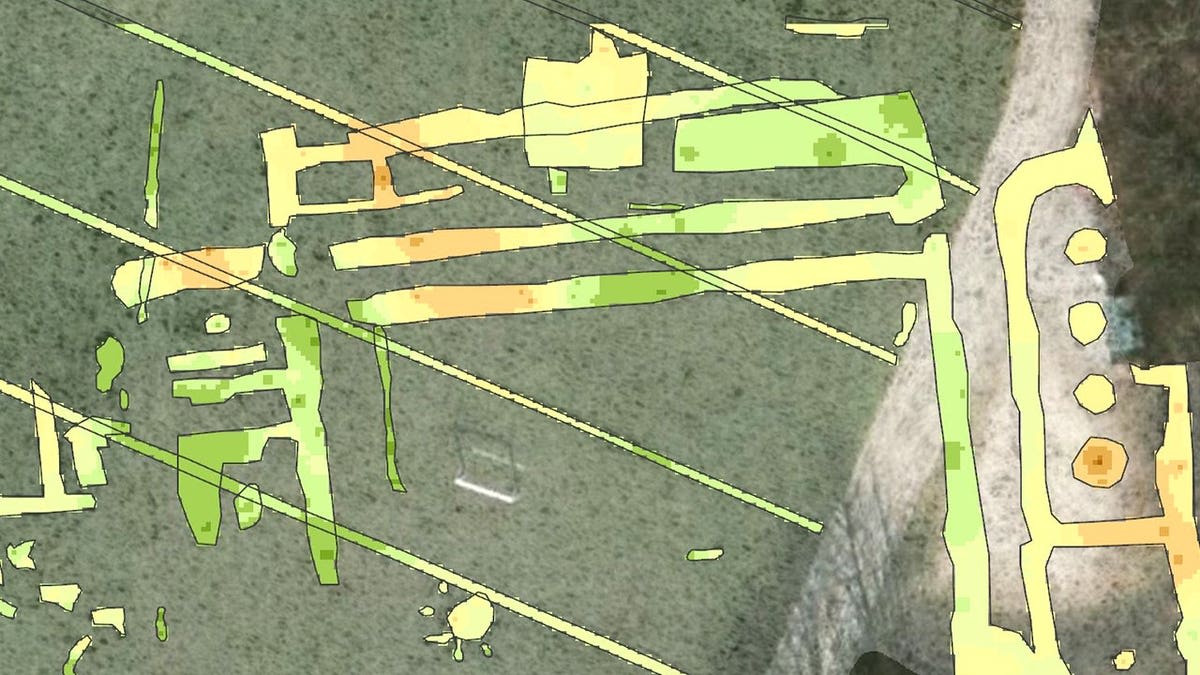
Researchers in Roskilde, Denmark, recently found St. Clare's Convent, a massive medieval complex built in the 13th century, buried under a local soccer field. The discovery happened during a routine ground-penetrating radar survey before construction of an underground parking facility.
The scan revealed a stunning surprise: a well-preserved convent complex measuring roughly 230 feet by 230 feet, lying just three feet below ground level. The images showed clearly defined rooms, columns, cloisters, and a church in the southern wing.
"I almost didn't believe my own eyes that so much was still there, and that we got such a clear image of it," said Jesper Langkilde, an archaeologist and museum curator at ROMU, the state-recognized museum organization that announced the find.
St. Clare's was one of five monastic sites in medieval Roskilde, but unlike the others, it wasn't protected as an ancient monument because historians believed it had been completely lost. The convent was demolished in the 16th century, and historical records show about 500,000 bricks were sold off afterward.
But demolition crews left behind what matters most to archaeologists: the foundations. Those lowest portions, built with large boulders, remained untouched underground for centuries.
The Ripple Effect
The discovery opens a window into medieval Danish life that researchers thought was permanently closed. Langkilde expects excavations will uncover pottery, animal bones, religious objects like rosary beads and pendant crosses, and items related to literacy and book production.
"The convents and monasteries were centers of literacy and had libraries and book production," Langkilde explained. Researchers hope to find writing utensils, book fittings, and personal effects like combs and needles that reveal how the nuns lived day to day.
If organic materials survived, scientists could learn what the nuns ate and what plants grew in their gardens. Burials at the site might reveal who the nuns were and their connections to international convent networks.
The first nuns are believed to have come from Strasbourg, suggesting St. Clare's was part of a wider European religious community. These connections played a key role in making Roskilde one of medieval Denmark's most important and wealthy towns.
Perhaps most exciting is what this discovery means for the future. The radar survey found all this without anyone putting a shovel to the ground, showing how modern technology can uncover history we assumed was gone forever.
What began as prep work for a parking lot became "a very big step forward for our knowledge of the medieval monasteries," proving that the past is never as lost as we think.
More Images

Based on reporting by Fox News Travel
This story was written by BrightWire based on verified news reports.
Spread the positivity!
Share this good news with someone who needs it