Louisiana Students Launch 75 Experiments to Edge of Space
Over 500 Louisiana students have launched homemade scientific instruments 60,000 feet into the sky through a NASA program that turns classroom curiosity into real aerospace engineering. This spring, 11 new student teams sent their experiments soaring from Texas, tracking everything from cosmic rays to solar cell performance.
Watching something you built with your own hands disappear into the stratosphere changes you forever.
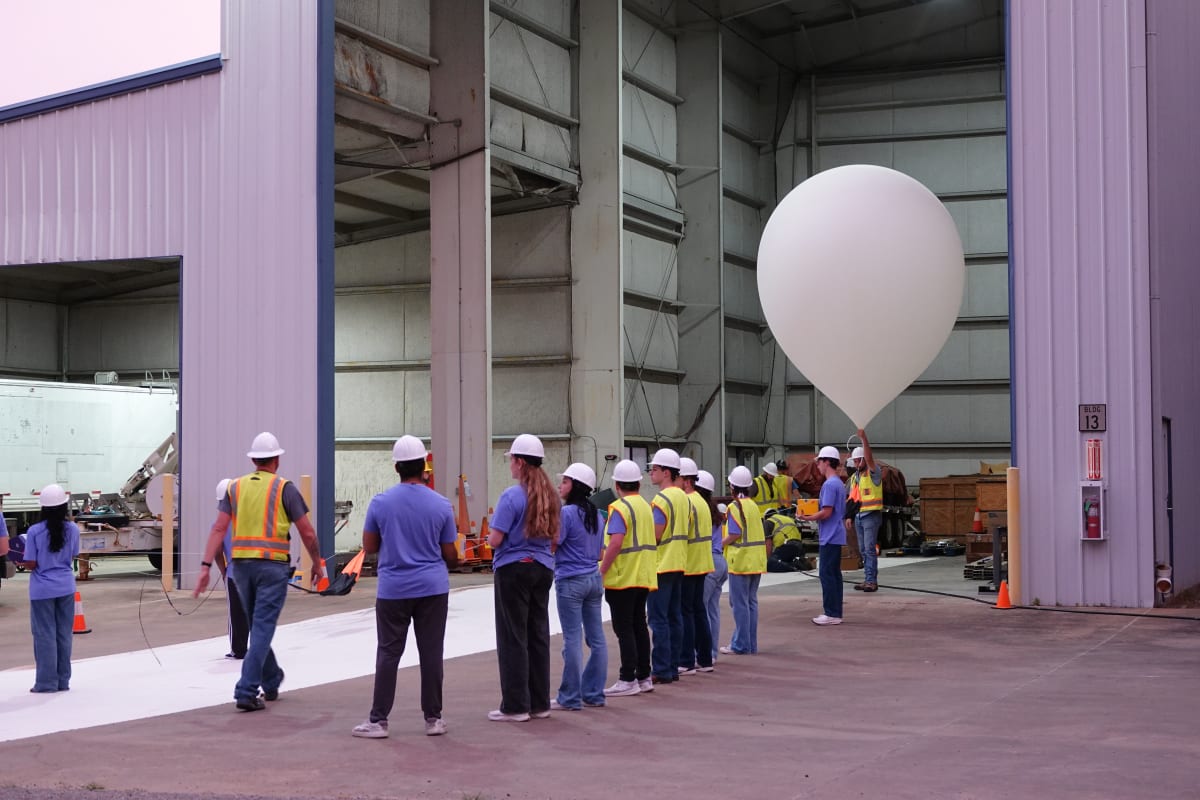
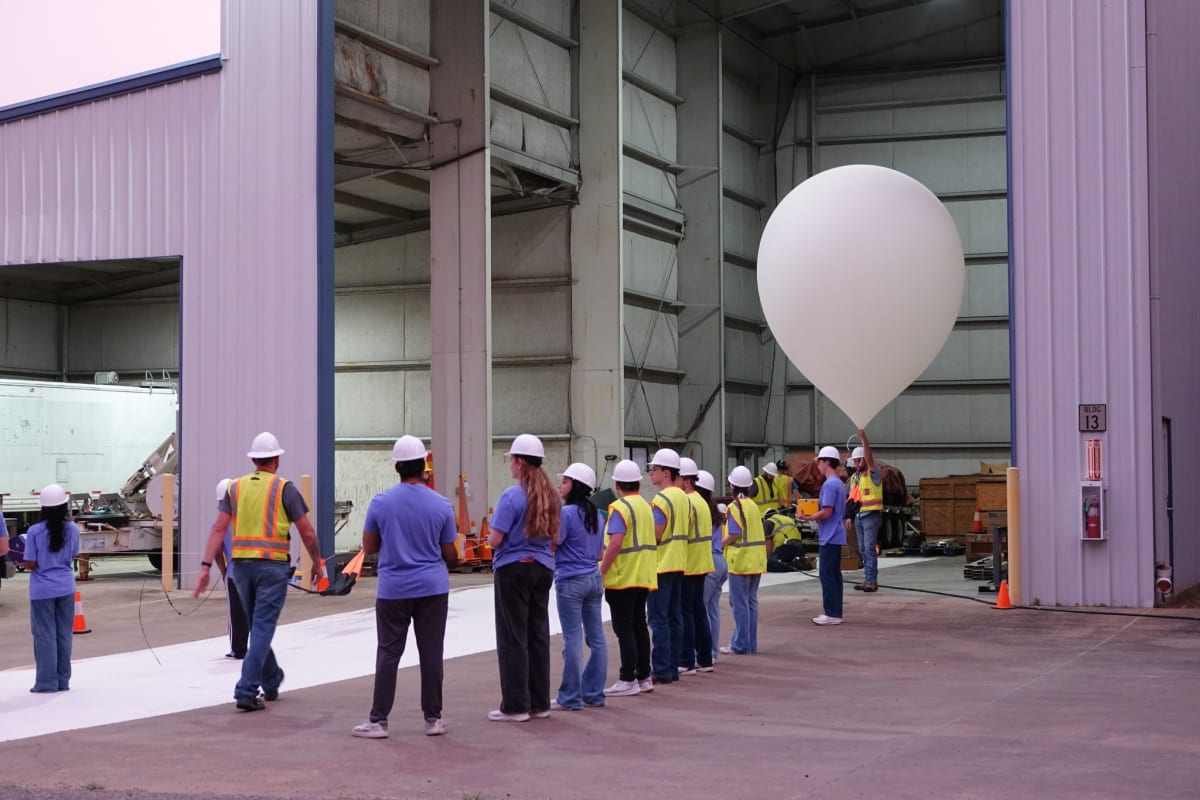
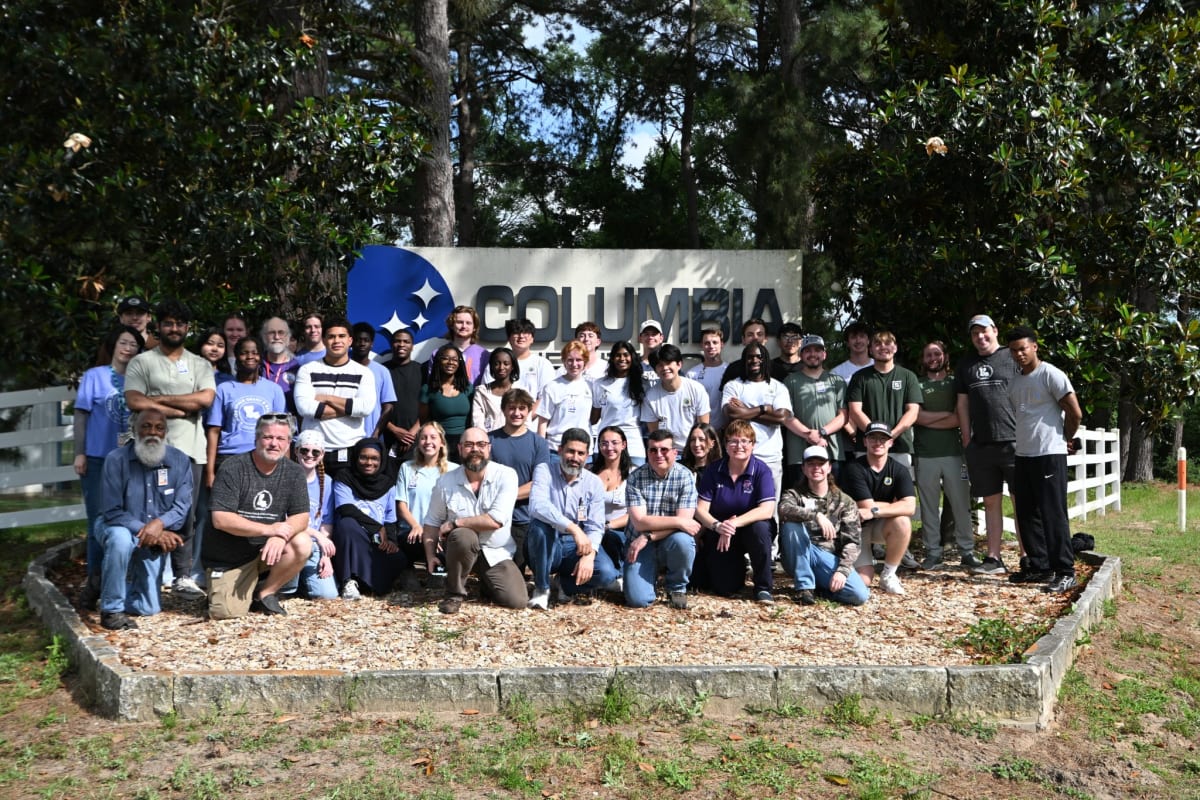
That's exactly what happened to students from nine Louisiana universities this May when their carefully engineered payloads lifted off from NASA's Columbia Scientific Balloon Facility in Palestine, Texas. The launch marked the 74th and 75th flights in a partnership that has transformed how hundreds of students think about their futures.
The LaACES program gives undergraduate students a crash course in real aerospace work. Over several months, teams from schools including Louisiana State University, Southeastern Louisiana State, and even St. Joseph's Academy high school design experiments to study everything from cosmic radiation to how solar panels perform at the edge of space.
Before they ever reach the launch site, students defend their designs through the same rigorous review process NASA engineers use for actual missions. They refine their instruments, troubleshoot problems, and prove they're ready for the real thing.
Just after dawn on May 19, two balloon trains carrying student payloads climbed smoothly toward near-space altitudes. Both missions succeeded, landing about 60 miles north of the launch site near Ben Wheeler, Texas.
"When we saw the data behave in the way we'd expected it to, and saw the science we were able to demonstrate, it makes it all worth it," said Savannah Matlock, a Louisiana State University student. "It's a great feeling to see all of your hard work pay off."
The Ripple Effect
Since the program began, LaACES has supported more than 500 students across 13 colleges, launching over 60 flights and roughly 135 unique experiments. These aren't just academic exercises—students work alongside NASA facility engineers who provide weather briefings, handle helium fills, and guide launch operations just like they would for professional missions.
The experience opens doors that many students didn't know existed. Some discover careers in astrophysics or atmospheric science. Others join NASA or aerospace companies. All of them learn what it feels like to see months of hard work literally take flight.
Hugo Franco, operations manager at the balloon facility, sees the transformation up close. "We enjoy being able to support the students' launches here and hope to help them cultivate a love for ballooning," he said.
The program mirrors NASA's larger Scientific Balloon Program, which sends advanced instruments to the edge of space for research in astrophysics, planetary science, and technology testing. By placing students in this real operational environment, LaACES builds a direct pipeline from Louisiana classrooms to national research operations.
For these students, launch day represents more than checking off a graduation requirement—it's the moment curiosity becomes possibility, and dreams get a little closer to reality.
More Images
Based on reporting by NASA
This story was written by BrightWire based on verified news reports.
Spread the positivity!
Share this good news with someone who needs it