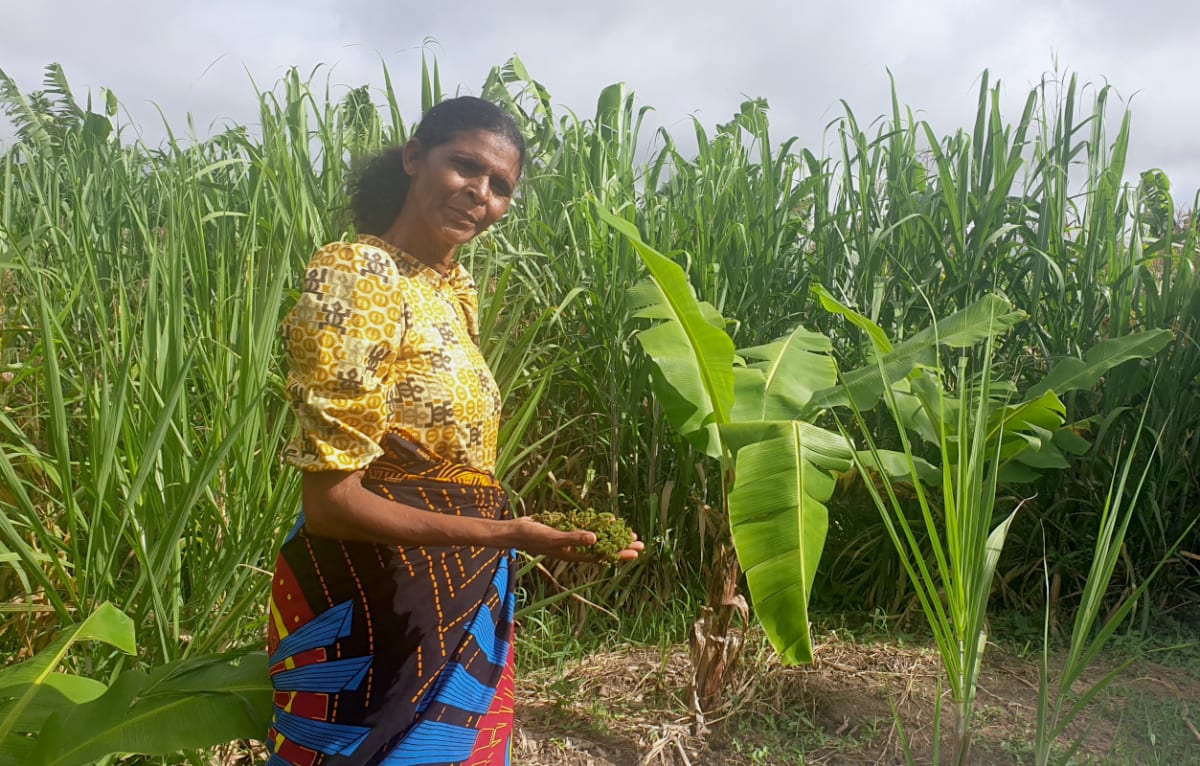
Malawi Farmer Builds Thriving Business from 9 Acres
Diana Sitima turned a small plot outside Malawi's capital into a flourishing organic farm that now earns $1,200 weekly and inspires dozens of women farmers. Her 20-year journey shows what's possible when women get access to land and knowledge.
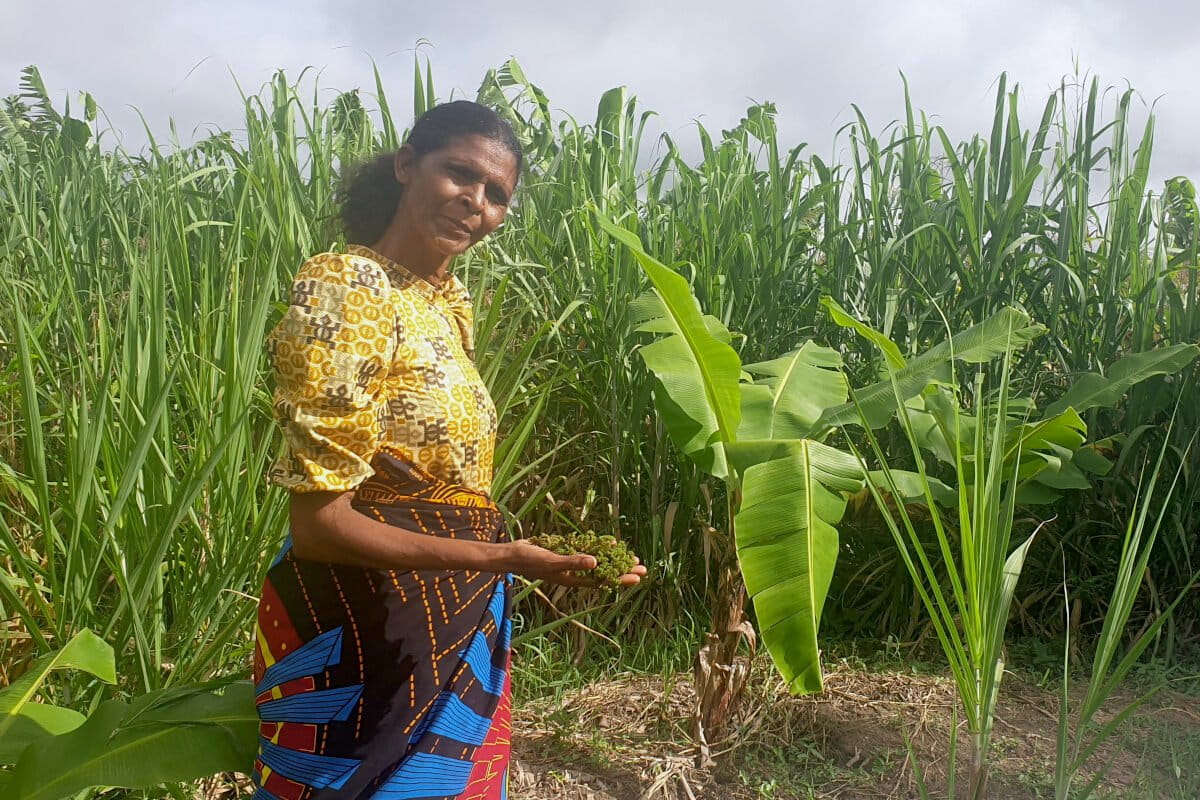
A woman in Malawi transformed 9 acres of land into a thriving farm that's changing how her neighbors think about agriculture. Diana Sitima's organic operation now pulls in $1,200 a week and serves as a training ground for 60 women farmers learning her techniques.
Sitima started small in 1993, working an office job in Blantyre while farming tomatoes on rented land. She and her husband took out micro-loans and saved every profit for seven years until they could afford their own property in Chiradzulu district.
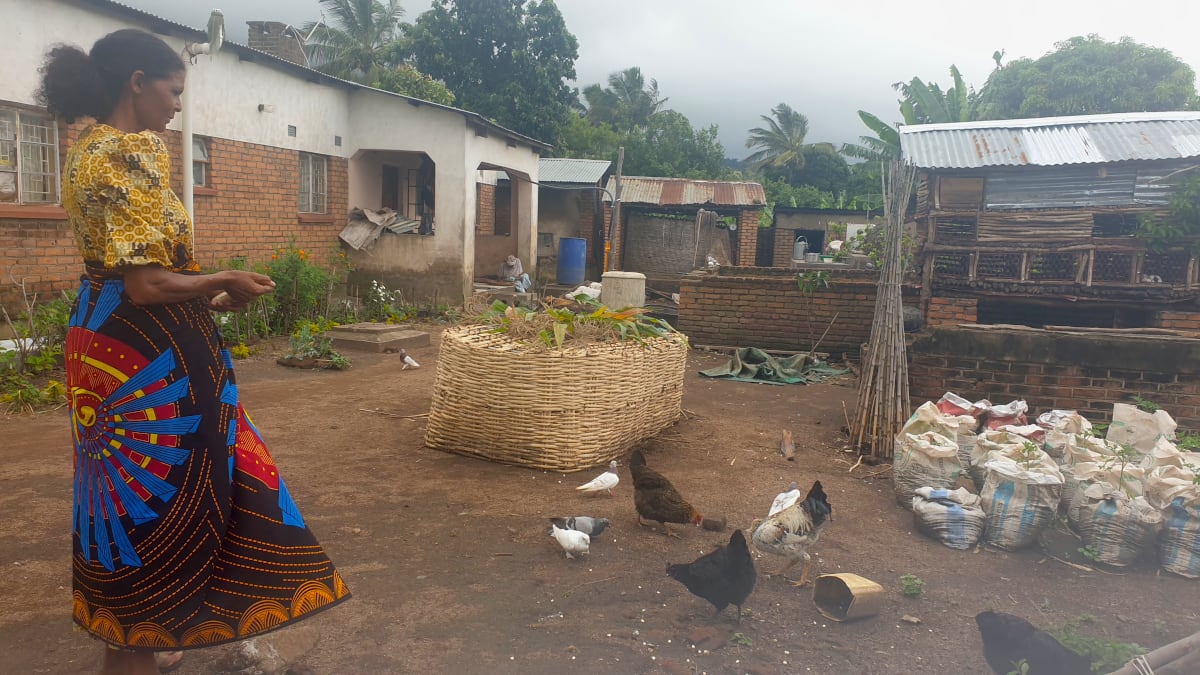
When she finally bought land in 2006, she designed it as an interconnected system. Papaya, avocado and mango trees grow alongside vegetables, herbs and sweet potatoes. Chickens, ducks, pigs, goats and rabbits provide eggs and meat while their manure feeds a biodigester that powers her cooking stove and egg incubator.
The farm operates almost entirely without synthetic fertilizers or pesticides. Fish ponds at the bottom of her field grow an aquatic fern called azolla that supplements livestock feed. Everything supports everything else.
The timing proved fortunate. Three years after buying the farm, Sitima's husband lost his bank job. The farm became their full-time business, employing six permanent workers and dozens more seasonally.
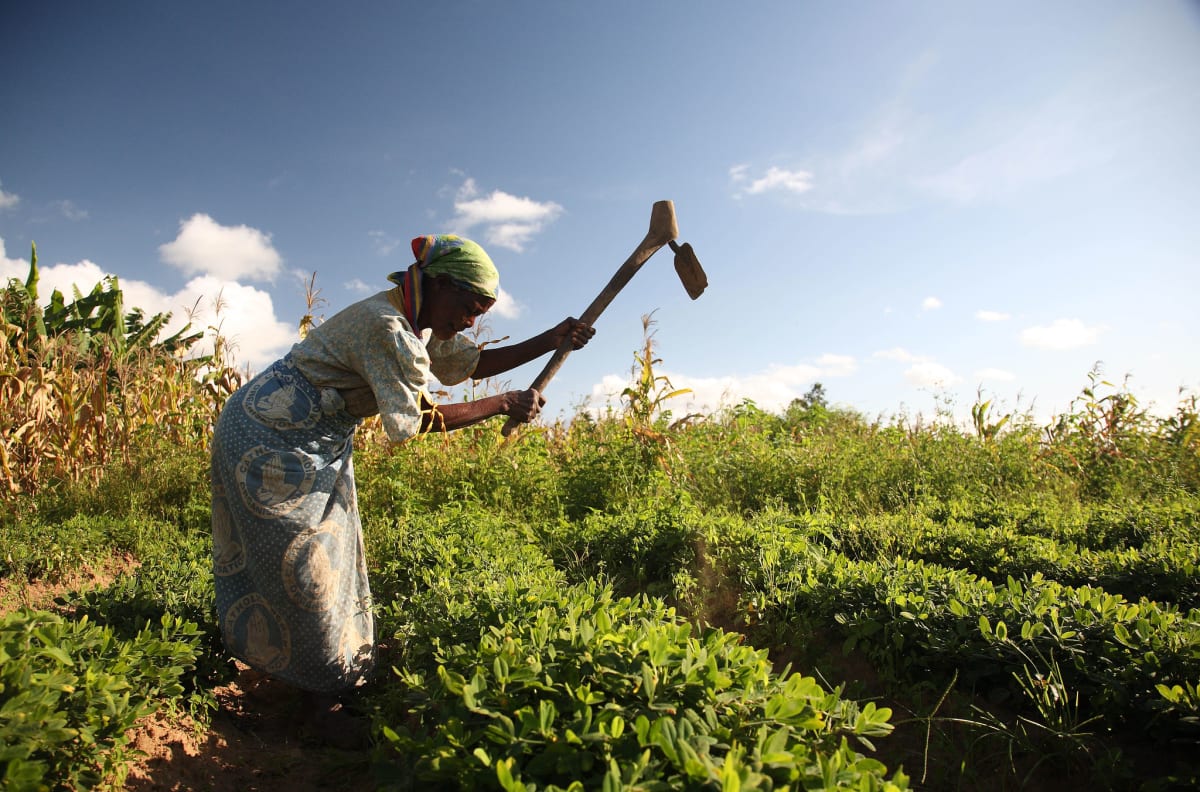
Unlike neighbors who grow mainly maize, Sitima raises sought-after produce that draws customers from the city. Her success comes from constant learning. She still consults government extension workers for advice two decades into farming.
The Ripple Effect
Anna Chisale visits Sitima's farm regularly to learn her methods. She's one of 60 members in Sitima's chapter of the Rural Women's Assembly, a grassroots movement across 11 Southern African countries helping small-scale women farmers improve their practices.
The women learn agroforestry techniques, soil health protection and how to secure loans. Chisale says Sitima's persistence has shown them what women farmers can achieve with the right support and land access.
Sitima's path required advantages most smallholder farmers lack. Her office job provided startup capital and the safety net to experiment. Her husband's bank position helped secure loans. Most critically, they could afford to buy land, something few women farmers in Malawi achieve on their own.
She now works to change that reality, mentoring other women and advocating for the financial and technical support that helped her succeed. Her farm stands as proof of what becomes possible when women farmers get both land and knowledge.
More Images

Based on reporting by Mongabay
This story was written by BrightWire based on verified news reports.
Spread the positivity!
Share this good news with someone who needs it