Malaysia and Indonesia Unite on New Nusantara Battery
Two Southeast Asian neighbors are joining forces to build a homegrown electric vehicle battery, pooling their expertise to reduce the region's dependence on foreign technology. The graphene-enhanced lithium-ion battery could help ASEAN countries compete in the global clean energy race. #
Malaysia and Indonesia just unveiled a battery technology that could change how Southeast Asia powers its electric vehicle future.
The Nusantara Battery, introduced Wednesday at the ASEAN Battery Technology Conference in Sepang, Malaysia, represents the first major collaboration between the two nations on energy storage technology. NanoMalaysia Berhad is partnering with Indonesia's National Battery Research Institute to develop lithium-ion batteries enhanced with graphene, a super-strong carbon material known for exceptional conductivity.
The partnership plays to each country's strengths. Malaysia brings expertise in battery formulation, graphene technology, and cell development. Indonesia contributes its knowledge in producing nickel-manganese-cobalt (NMC) active materials, the key components in high-performance battery cathodes.
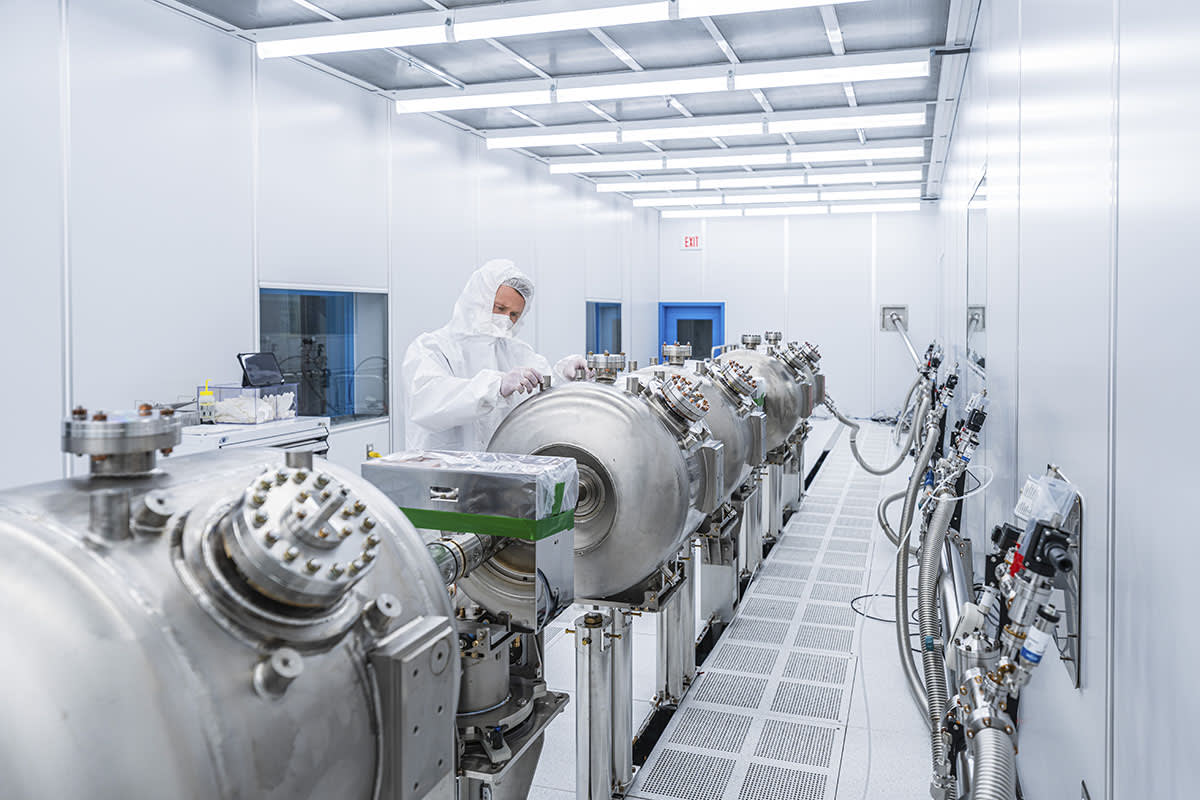
The battery uses a pouch-cell format, though specific details about capacity, energy density, and charging speed remain under wraps until prototypes complete comprehensive testing. However, the technology behind it shows promise. Gigafactory Malaysia has previously developed graphene-enhanced batteries that increase energy storage by up to three times compared with conventional designs.
The collaboration started with a memorandum of understanding signed at last year's conference. The agreement covers technology transfer, joint research, testing standards, and industrial training programs to build local expertise.
"ASEAN's strengths should not be directed toward competing against one another, but toward complementing each country's capabilities to build a more integrated and resilient regional battery value chain," said Rezal Khairi Ahmad, CEO of NMB Group.
The timing matters. As the world shifts toward electric vehicles, Southeast Asian countries rich in raw materials like nickel want to move beyond just exporting resources. Building batteries locally means capturing more value from those materials and creating skilled jobs at home.
The Ripple Effect
This partnership could reshape how ASEAN nations approach clean energy technology. Rather than competing individually against manufacturing giants in China, South Korea, and Japan, regional cooperation lets smaller countries pool resources and knowledge.
Gigafactory Malaysia's Sepang facility targets annual production of around 1 megawatt-hour, enough for approximately 92,000 battery cells. The company has separately been working on graphene batteries that could deliver 640 kilometers of driving range and charge fully in 12 minutes, though it's unclear if the Nusantara Battery will match those specs.
Beyond the Malaysia-Indonesia partnership, NanoMalaysia announced additional collaborations with five other companies at the conference, signaling growing momentum in regional battery development.
For countries looking to electrify transportation while building domestic industries, this kind of cooperation offers a roadmap forward.
#
More Images

Based on reporting by Regional: malaysia technology (MY)
This story was written by BrightWire based on verified news reports.
Spread the positivity!
Share this good news with someone who needs it