Mars Rover Finds 7 New Organic Molecules in Ancient Rock
NASA's Curiosity rover discovered the most diverse collection of organic molecules ever found on Mars, including seven compounds never before detected on the Red Planet. The findings confirm that ancient Mars had the right chemistry to support life billions of years ago.
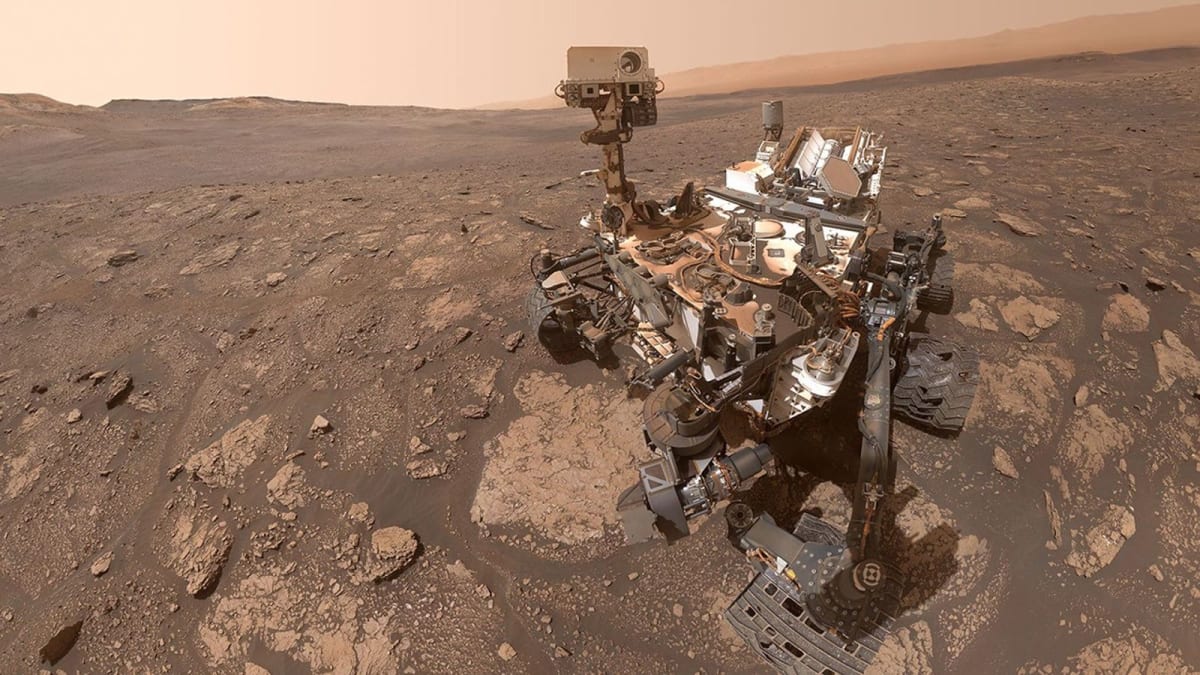
A rock sample drilled by NASA's Curiosity rover in 2020 just revealed something incredible: 21 different organic molecules, seven of which have never been found on Mars before.
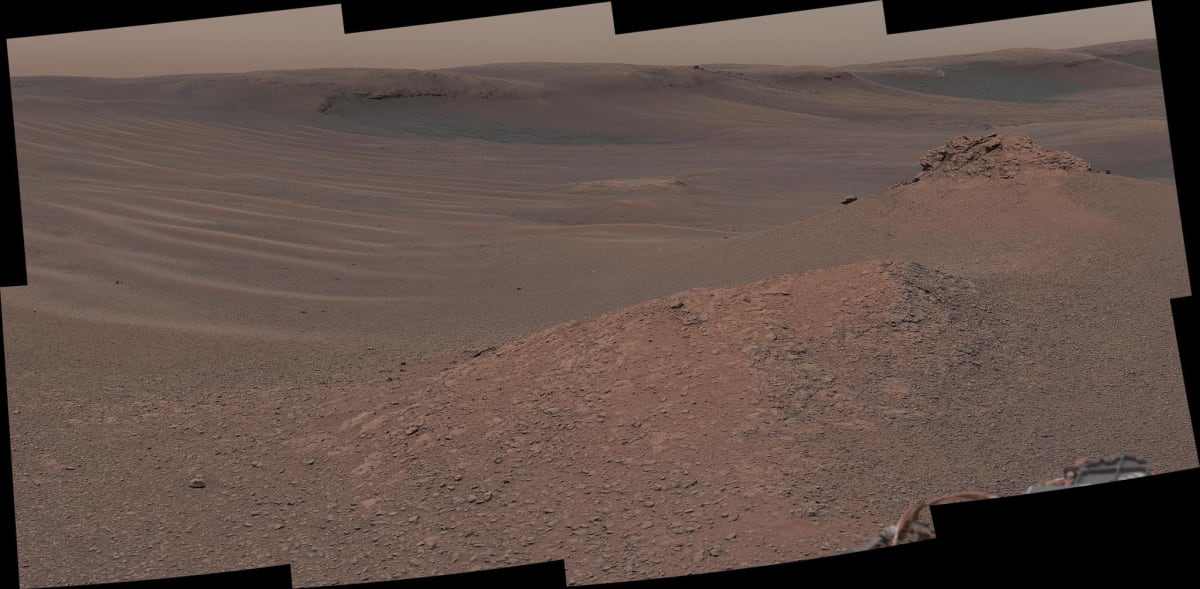
The sample came from a spot nicknamed "Mary Anning 3" on Mount Sharp, where lakes and streams flowed billions of years ago. This ancient oasis dried up and refilled multiple times, creating clay-rich soil that acts like a time capsule for preserving organic compounds.
Among the newly discovered molecules is a nitrogen heterocycle, a ring-shaped structure made of carbon and nitrogen atoms. This type of molecule is considered a chemical building block that could lead to RNA and DNA, the molecules that carry genetic information in all living things.
"That detection is pretty profound because these structures can be chemical precursors to more complex nitrogen-bearing molecules," said lead researcher Amy Williams from the University of Florida. Nobody has ever confirmed finding nitrogen heterocycles on Mars before, not even in Martian meteorites.
Scientists also found benzothiophene, a molecule containing carbon and sulfur that shows up in meteorites throughout our solar system. Some researchers believe these meteorite-borne molecules helped seed the chemistry needed for life across the early solar system.
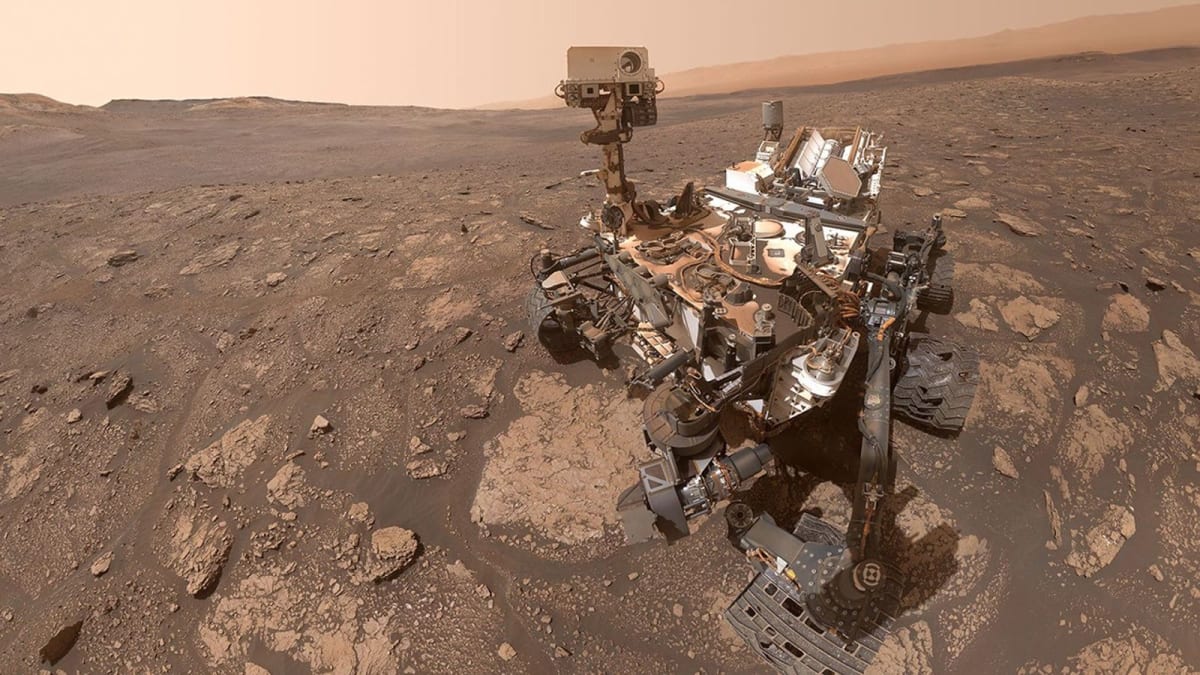
The discovery took years of careful analysis using a miniature lab called SAM tucked inside Curiosity's belly. The rover's drill ground the rock into powder, then heated it in a tiny oven to release gases that revealed what the sample contained.
The Ripple Effect
This discovery joins last year's finding of the largest organic molecules ever detected on Mars. Together, these results paint a picture of an ancient planet that had all the right ingredients for life to emerge.
The team can't say for certain whether these molecules came from living organisms or natural geological processes. Both are possible, but what matters is confirmation that Mars could have supported life billions of years ago.
These compounds survived eons of harsh radiation that typically breaks down organic molecules over time. That means Mars has been preserving evidence of its watery past far better than scientists expected, which bodes well for future missions searching for signs of ancient life.
Curiosity recently used its second and final special solvent cup to analyze mysterious weblike rock formations created by ancient groundwater. Those results are being analyzed now for another scientific paper that could reveal even more about Mars' life-friendly past.
More Images


Based on reporting by NASA
This story was written by BrightWire based on verified news reports.
Spread the positivity!
Share this good news with someone who needs it