Mars Rover Finds DNA-Like Molecules in Ancient Rock
NASA's Curiosity rover discovered nitrogen-containing molecules similar to DNA building blocks in Martian rock that's been preserving organic matter for 3.5 billion years. It's the strongest hint yet that the Red Planet once had conditions friendly to life.
Scientists just found something remarkable in Mars dust: molecules that look a lot like the building blocks of DNA, preserved in rock for billions of years.
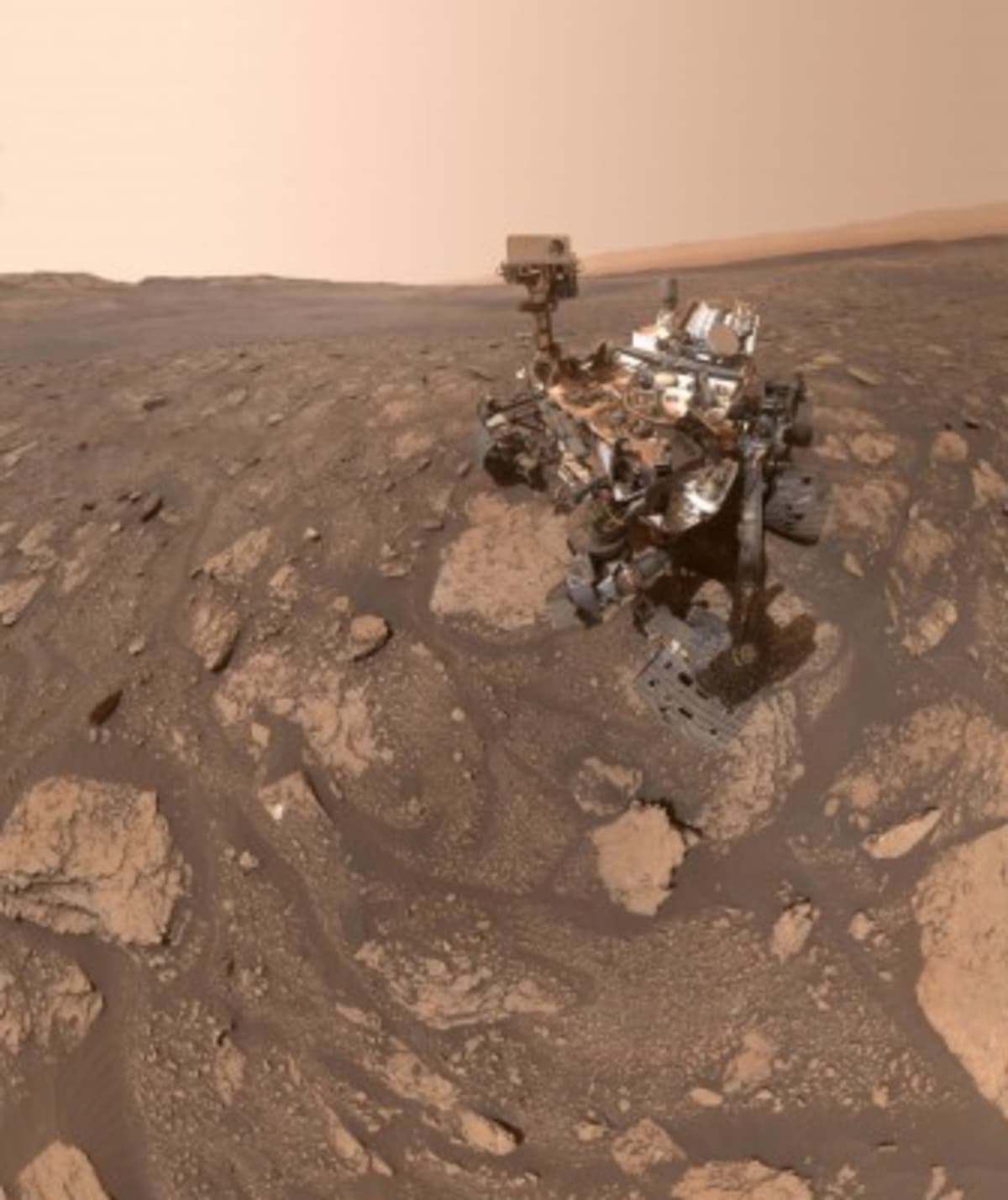
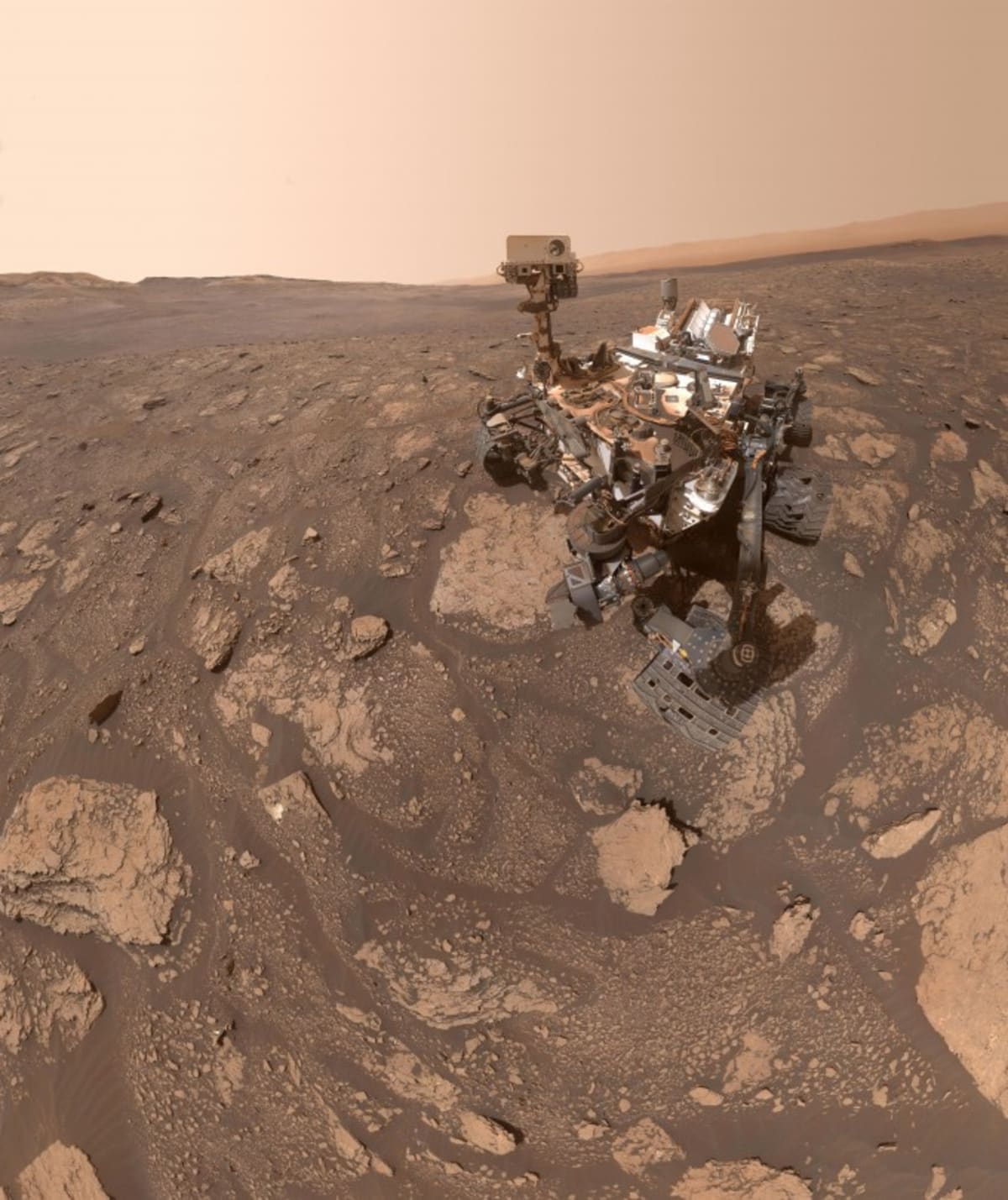
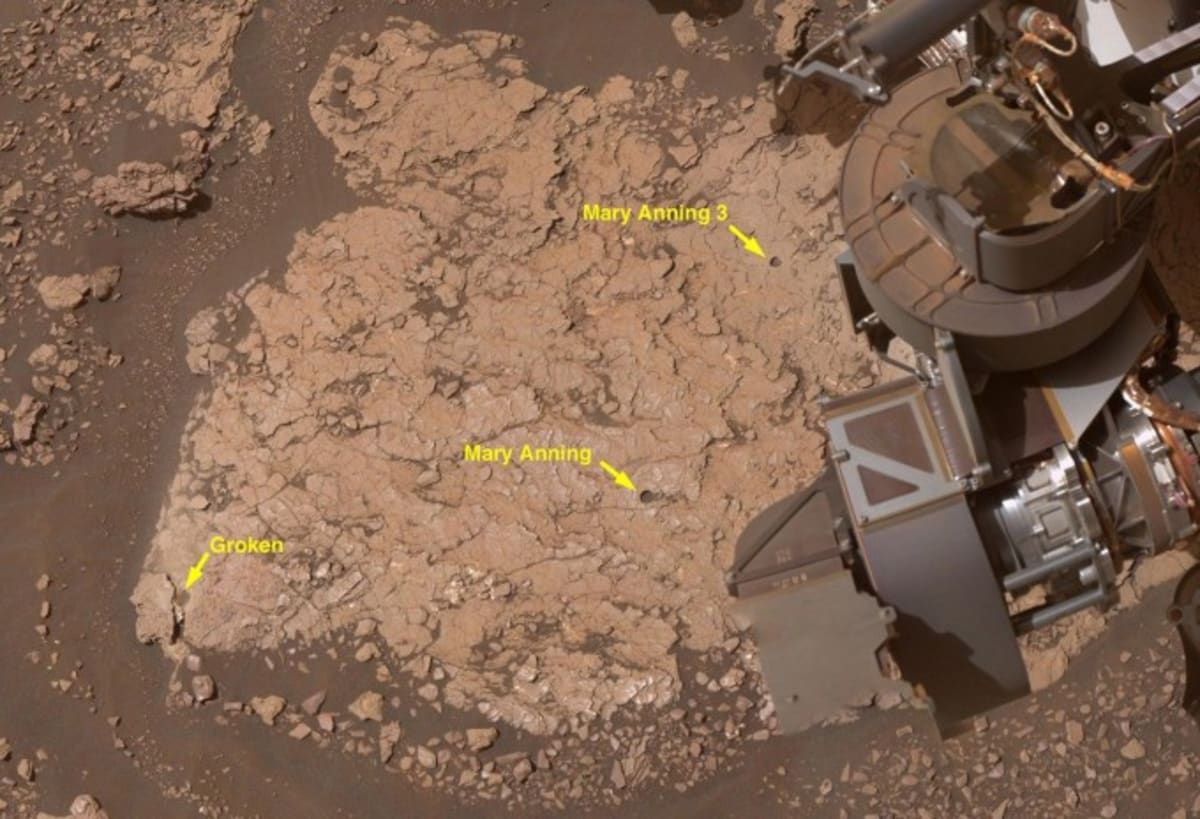
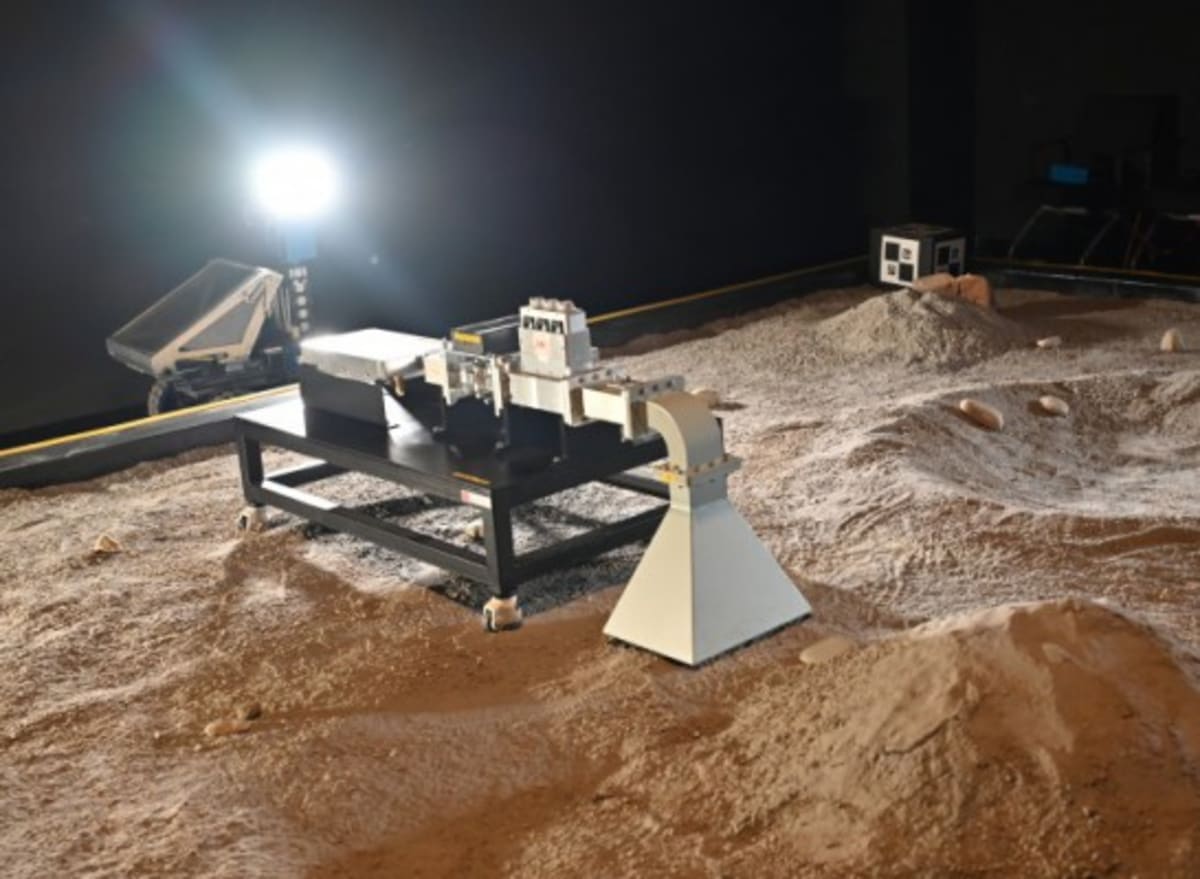
NASA's Curiosity rover made the discovery in 2020 while drilling into clay-rich rocks at Gale Crater, an area that used to be a lake. The rover's onboard lab identified more than 20 chemical compounds, including nitrogen-containing molecules with structures similar to DNA precursors, something never before detected in Martian soil.
Professor Amy Williams from the University of Florida led the research team that analyzed the samples. The findings appeared in Nature Communications this month, offering fresh evidence that ancient Mars could have supported microbial life.
Curiosity has been exploring Mars since landing in August 2012. Its mission focuses on whether the planet ever had the right conditions for tiny organisms to survive, not necessarily finding life itself.
The rover specifically targeted the Glen Torridon region because it's loaded with clay minerals. Clay forms in the presence of water and acts like a time capsule, binding and preserving organic matter far better than other rock types.
Among the discoveries was benzothiophene, a complex sulfur compound known to arrive on planets via meteorites. This raises an intriguing question: did these molecules come from ancient Martian life, space rocks, or natural geological processes?
Scientists can't answer that definitively without bringing the samples back to Earth. That's where future missions come in, building on what Curiosity has found.
Why This Inspires
What makes this discovery thrilling isn't just what was found, but where it was found. These organic molecules survived 3.5 billion years of harsh Martian conditions, including intense radiation and dramatic climate shifts.
The discovery transforms how scientists think about Mars. The planet wasn't just wet once upon a time. It preserved the chemical ingredients necessary for life as we know it, locked safely in clay minerals across vast regions.
This knowledge guides where future missions will look and what they'll search for. Every Curiosity finding helps NASA's Perseverance rover, currently hunting for actual signs of ancient life, know where to dig deeper.
The patient, methodical work of planetary exploration keeps revealing that Mars was once a world of lakes, rivers, and potentially the chemistry needed for biology. Each drill sample brings us closer to answering humanity's biggest question: are we alone?
That answer might be sitting in Martian clay, waiting 140 million miles away.
More Images

Based on reporting by Google: Mars rover discovery
This story was written by BrightWire based on verified news reports.
Spread the positivity!
Share this good news with someone who needs it