Sahara Meteorite Reveals Moon-Sized Lost Planet
A rare meteorite discovered in the Sahara Desert contains the first definitive proof of an ancient planet as large as Earth's moon that existed 4.5 billion years ago. The discovery rewrites what scientists thought they knew about how our early solar system formed. #
Scientists just confirmed that a lost world the size of our moon once orbited the young sun, and a small rock found in the Sahara holds the proof.
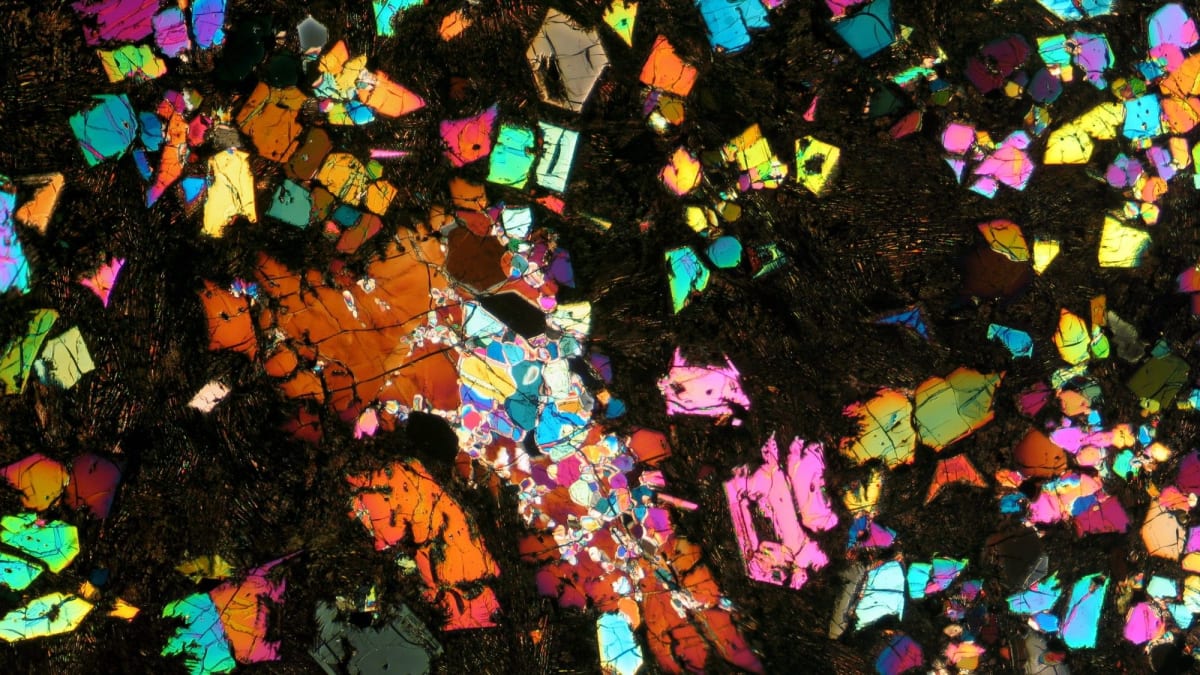
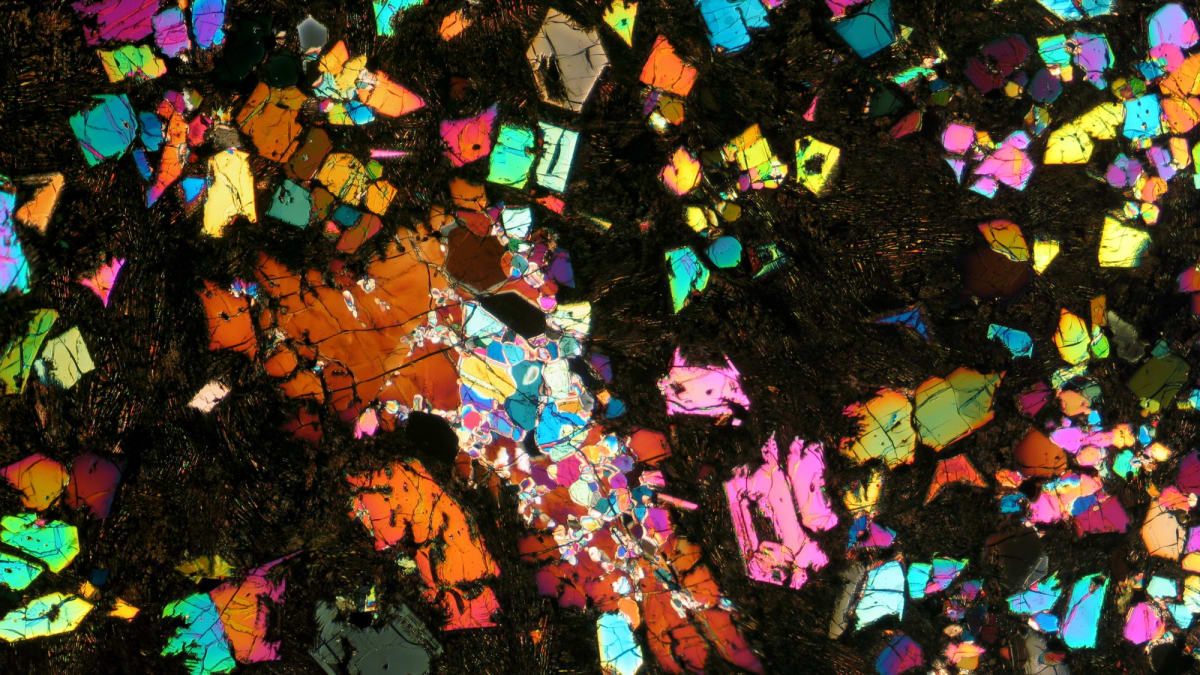
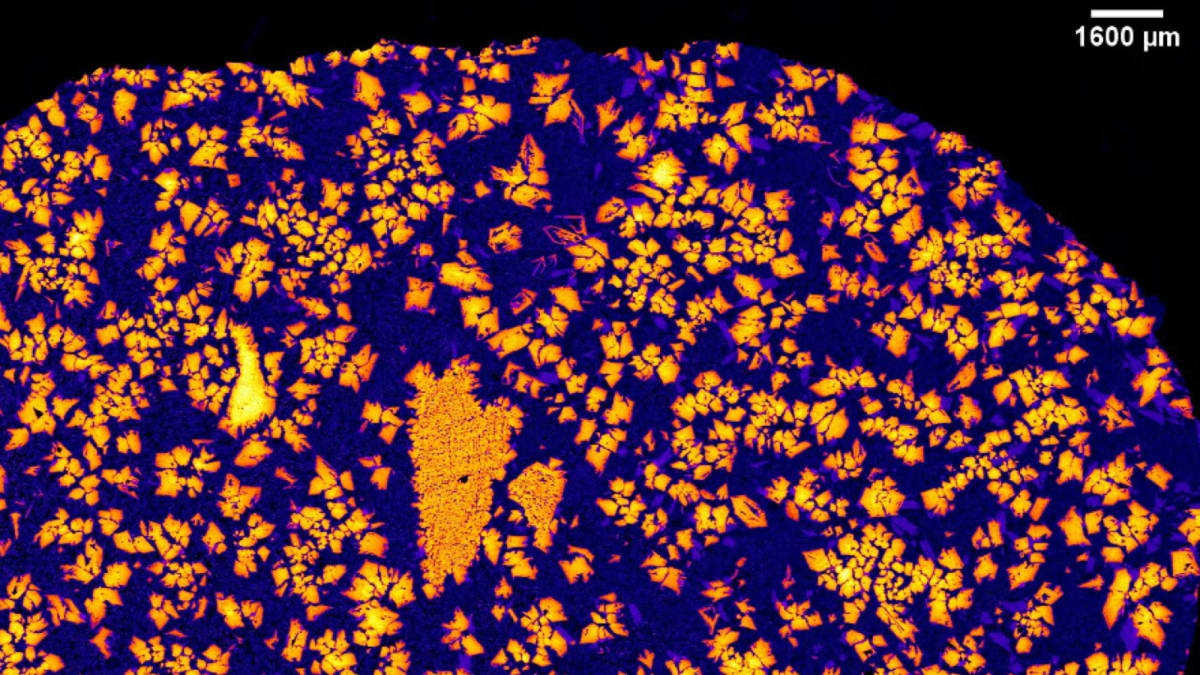
The meteorite, weighing about one pound and named Northwest Africa 12774, landed in the Sahara in 2019. Scientists at the University of Colorado Boulder recently analyzed it and discovered something remarkable hiding in its crystals.
The rock belongs to a rare class called angrites, some of the oldest volcanic rocks in our solar system. Only 68 of more than 80,000 meteorites ever found on Earth are angrites, making them incredibly scarce.
What makes this particular meteorite special is what geoscientist Aaron Bell and his team found inside. Tiny mineral crystals showed signs of forming under extreme pressure, more than 17 times the crushing force at the bottom of Earth's deepest ocean trench.
That level of pressure could only exist inside a world much larger than an asteroid. The team calculated that the lost planet must have been at least 1,118 miles in radius, comparable to our moon and possibly approaching the size of Mars.
"It's incredible to think there was once a world this large," Bell said. "We only know it existed because a few fragments of it happened to land on Earth."
The discovery solves a long-standing puzzle. Angrites have an unusual chemistry with very little silica compared to Earth, Mars, and most rocky worlds. Scientists had assumed they came from small asteroids, but the pressure evidence tells a different story.
Why This Inspires
This discovery reminds us that even small clues can reveal enormous truths about our cosmic history. A one-pound rock sitting in a laboratory drawer held evidence of an entire lost world that existed billions of years ago.
The crystals preserved sharp edges and chemical patterns that would have disappeared if they'd spent long periods deep inside a hot planet. This means the minerals formed near the surface, requiring an even larger parent body to generate such intense pressure at shallow depths.
The lost planet likely met its end in one of the violent collisions that shaped our early solar system. Its fragments may have been incorporated into other rocky planets, including Earth itself.
Bell believes there's more to discover. "There are many meteorites sitting in drawers that haven't been thoroughly studied," he said. "There were likely more of these protoplanets we don't know about."
The next breakthrough about our solar system's hidden past could be waiting in a museum collection right now.
#
More Images

Based on reporting by Space.com
This story was written by BrightWire based on verified news reports.
Spread the positivity!
Share this good news with someone who needs it