Mars Rover Finds Record Nickel in Ancient Riverbed
NASA's Perseverance rover discovered the highest concentration of nickel ever found in Martian rock, in sediments from a river that flowed 4 billion years ago. The find hints that Mars may have once supported the same kinds of microbes that gave rise to life on Earth.
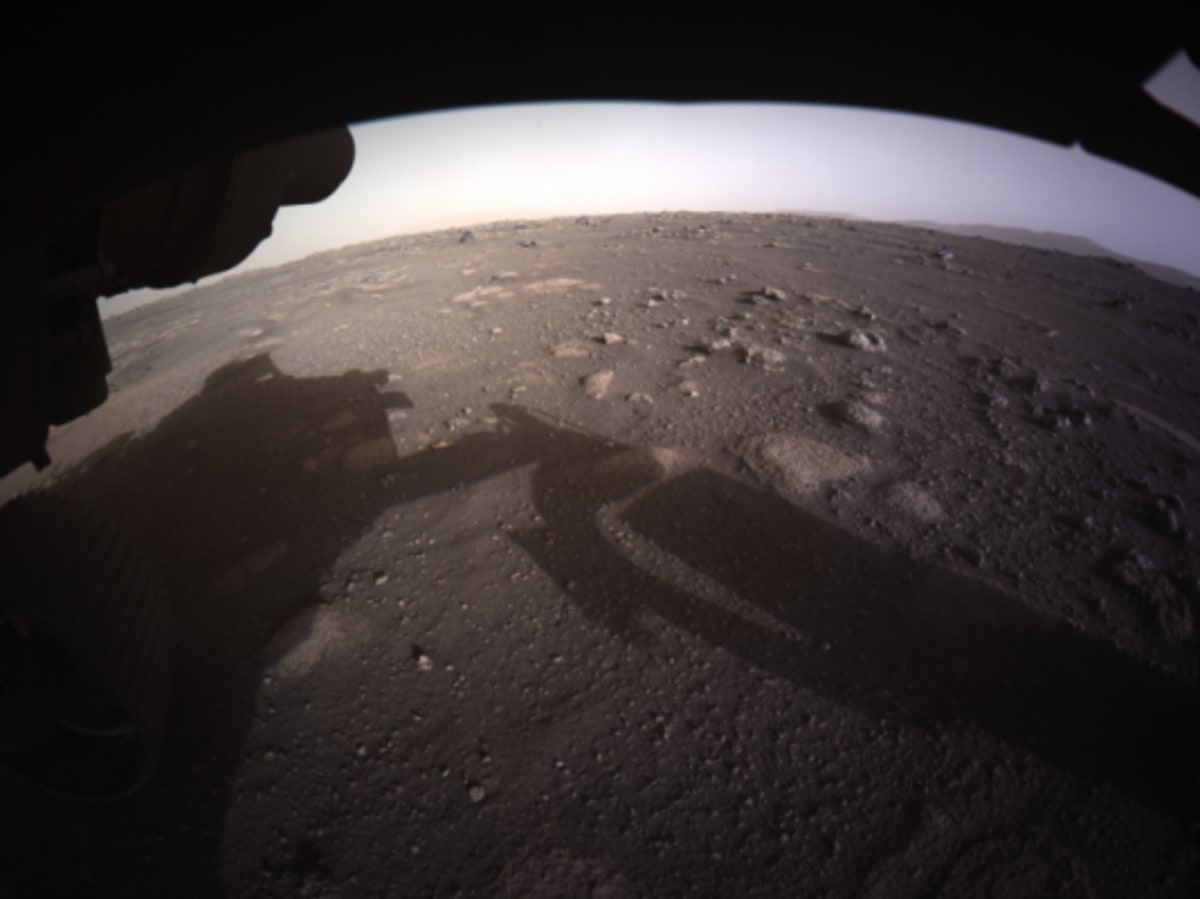
NASA's Perseverance rover just found something remarkable in the dried bed of an ancient Martian river: rocks packed with more nickel than scientists have ever detected on the Red Planet.
The discovery happened in Neretva Vallis, once a flowing river that emptied into Jezero Crater nearly 4 billion years ago. While exploring mudstone and siltstone deposits in 2024, Perseverance's instruments lit up with unusually high readings of nickel in the rock formations.
Out of 126 rock targets analyzed, 32 contained nickel, with some reaching 1.1% by weight. That might sound small, but it's a record for Martian bedrock and roughly matches what scientists find in some of Earth's oldest rocks.
Here's where it gets exciting. The nickel wasn't scattered randomly through the rocks. Instead, it concentrated in iron sulfide minerals like pyrite, arranged in structures nearly identical to pyrite found in Earth's Archean and Proterozoic sedimentary rocks, which date back billions of years.
On Earth, microbes create these specific pyrite structures when they break down sulfates for energy. Finding the same mineral patterns on Mars raises a tantalizing question: did similar microbial life once exist there?
The timing makes the discovery even more intriguing. These Martian rocks formed around the same period that life first emerged on Earth, roughly 4 billion years ago. Nickel is essential for many microbes, including methane-producing archaea that scientists believe were among Earth's earliest life forms.
Why This Inspires
This discovery reminds us that the universe might be less lonely than we think. Mars and Earth followed remarkably similar paths in their early histories, both hosting flowing water and the chemical building blocks necessary for life.
The research team, led by Haley Manelski and Professor Roger Wiens from Purdue University, stayed cautious about declaring proof of ancient Martian life. The nickel could have come from volcanic rock weathering or meteorite impacts rather than biological processes.
But that's exactly why this matters. Perseverance has already collected rock samples from this site, and they're waiting to be brought back to Earth for detailed analysis. Those samples could finally answer whether we're alone in the universe.
The team's message is clear: we need to bring those rocks home. Every new discovery from Mars strengthens the case for completing the sample return mission, which would let scientists study these ancient river deposits with tools far more sophisticated than any rover can carry.
For now, we can marvel at what Perseverance has shown us: that billions of years ago, Mars had rivers carrying the same life-essential elements that sparked the first microbes on Earth.
More Images



Based on reporting by Google: NASA discovery
This story was written by BrightWire based on verified news reports.
Spread the positivity!
Share this good news with someone who needs it