Maryland Invests $43M in Solar Power for Low-Income Homes
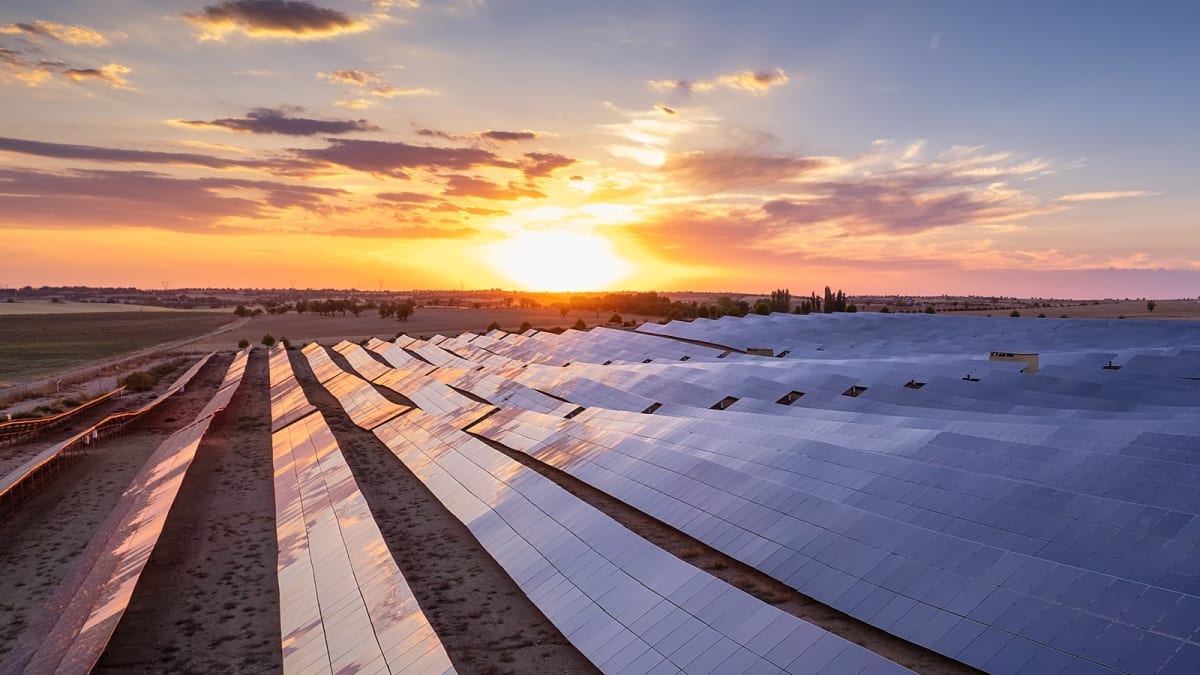
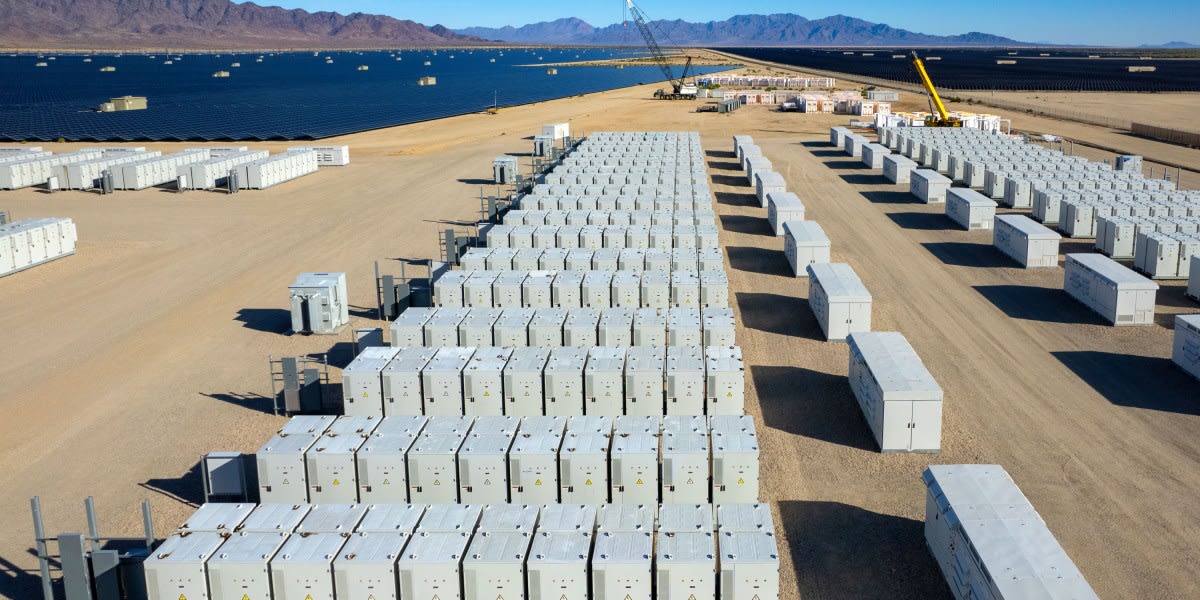
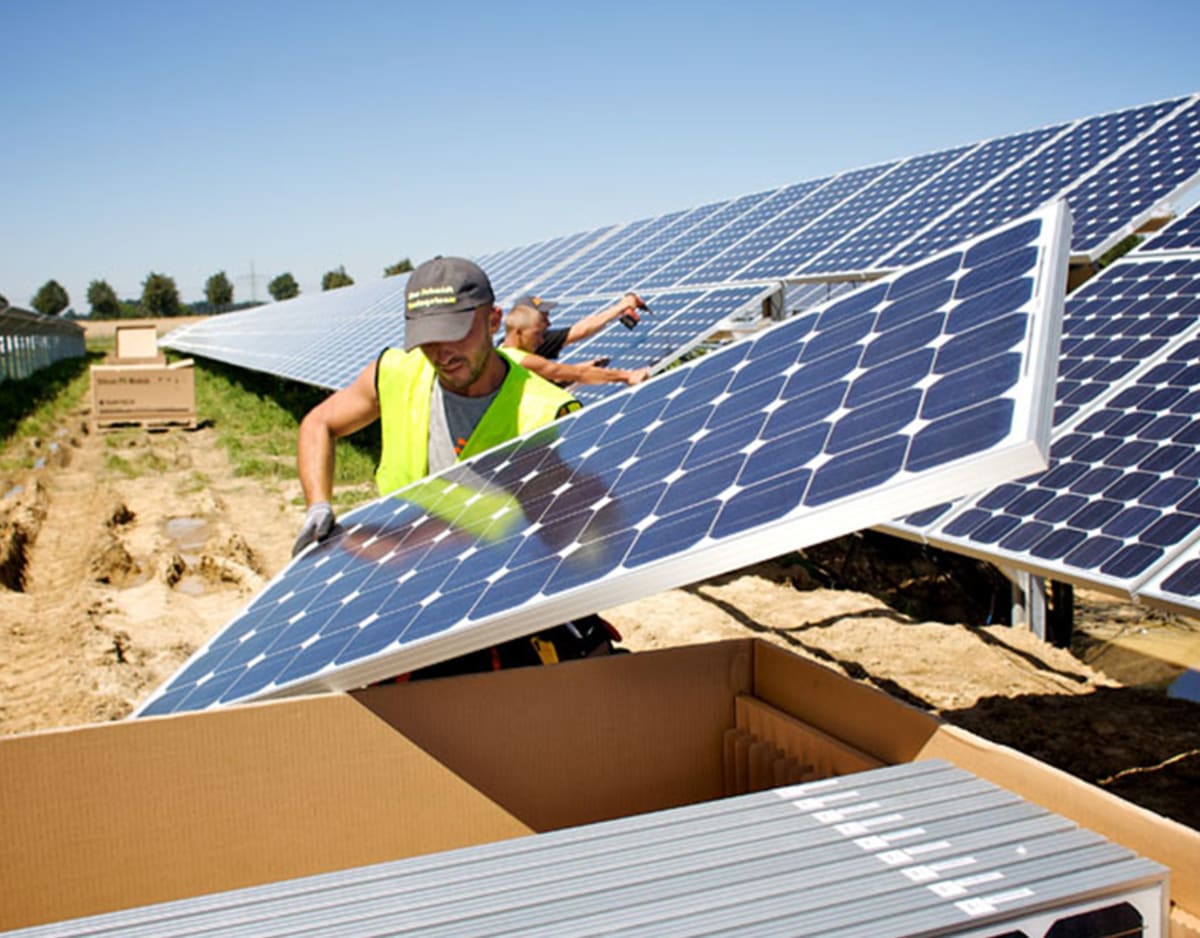
Maryland just awarded 69 grants to bring solar energy and lower electricity bills to nearly 5,000 low-income households across the state. The projects include innovative farms that grow crops and generate clean energy on the same land.
Nearly 5,000 Maryland families who thought solar power was out of reach just got a life-changing opportunity to cut their energy bills by at least 25%.
Governor Wes Moore announced $43 million in grants Tuesday for 69 Community Solar projects statewide. The initiative specifically targets low-income households, many of whom rent their homes and can't install their own solar panels.
"The Community Solar Grant Projects are a vital piece of our broader plan to make Maryland more affordable," Moore said. More than 4,800 households will see electricity discounts of at least 25%, with many saving over 20% on their monthly bills.
Two Montgomery County projects showcase how creative these solutions can be. Lightstar received $260,651 to develop 12 "agrivoltaic" sites where farmers can grow crops under and around solar panels on the same land.
Clean Slate Solar scored $372,272 for rooftop solar panels that keep energy production close to where people actually use it. That proximity means less electricity gets wasted during delivery from far-away power plants.
The Maryland Department of Human Services will oversee distribution to another 1,000 households specifically for energy assistance. The program ensures renters and homeowners without suitable roofs can still access solar benefits.
The Ripple Effect
This isn't just about cheaper bills. Maryland required developers to dedicate 15% of each site's electricity to low-income customers with minimum savings of 12%, but most projects will deliver much more.
Some grants are even converting brownfields into solar farms. Those forgotten industrial wastelands are getting a second life as clean energy hubs, generating power while cleaning up neighborhoods.
Maryland Energy Administration Director Kelly Speakes-Backman called it "a prime example of the Moore-Miller administration's energy strategy in action, promoting new in-state generation of clean energy, while finding ways to lift up those Marylanders who need the most help."
The model proves clean energy transitions don't have to leave anyone behind. When states design programs thoughtfully, environmental progress and economic justice can move forward together.
Nearly 5,000 Maryland families will now watch their electricity bills drop while knowing their power comes from the sun instead of fossil fuels.
More Images


Based on reporting by Google: clean energy investment
This story was written by BrightWire based on verified news reports.
Spread the positivity!
Share this good news with someone who needs it