Meteorite Found Hours After Landing Reveals Life's Origins
A New Jersey stargazer scooped up meteorite fragments minutes after they fell to Earth, preserving pristine evidence of ancient water and organic compounds that may explain how life began. Scientists say the quick thinking unlocked discoveries usually impossible to find.
A space rock that crashed into a New Jersey backyard in July 2024 is rewriting what scientists know about the origins of life, all because one amateur astronomer acted fast.
When fragments landed on his property, the stargazer immediately recognized what had fallen from the sky. Wearing protective gloves, he carefully collected the pieces and sealed them in aluminum foil and glass containers within hours, preserving delicate materials that typically degrade before scientists can study them.
That quick action made all the difference. The Hillsborough meteorite, named for the township where it landed, contains pristine evidence of ancient salty water that flowed through asteroids more than 4.5 billion years ago.
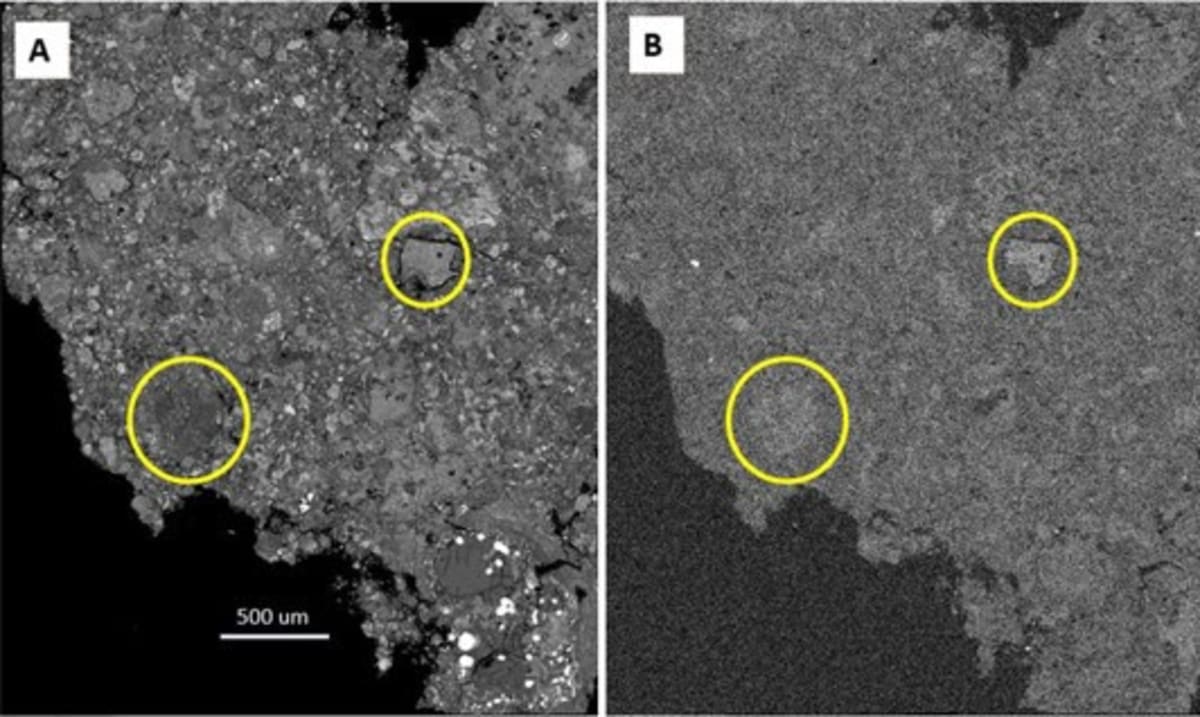
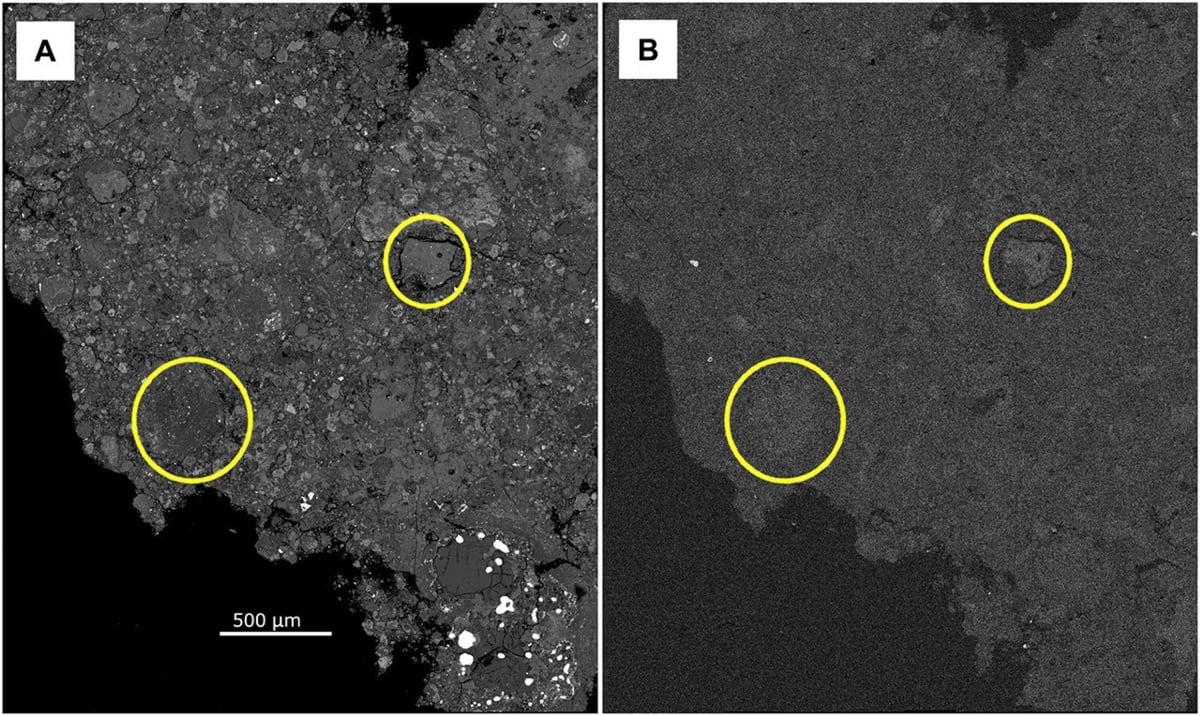
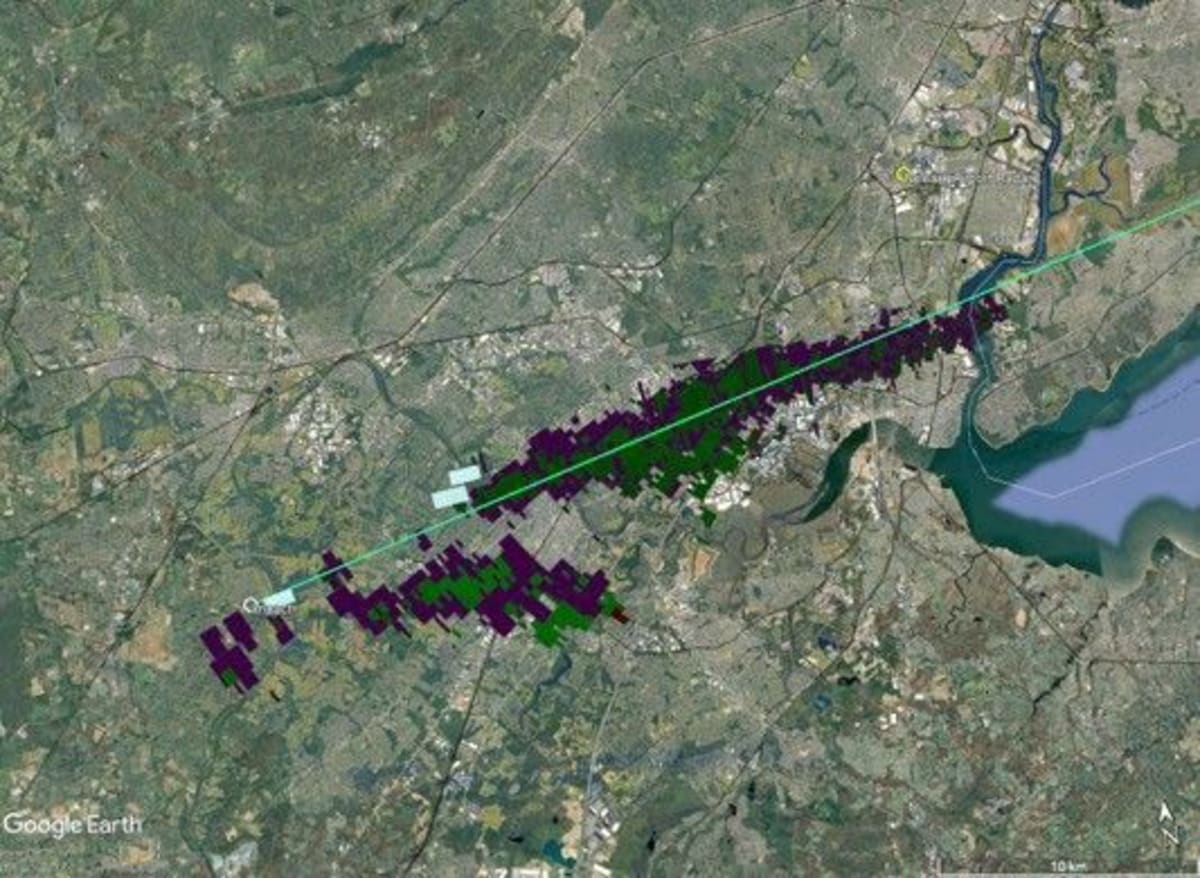
Security cameras across New Jersey captured the meteorite's fiery descent, allowing NASA scientists to trace exactly where in the asteroid belt it originated. Combined with lab analysis, researchers discovered something unexpected: microscopic fractures filled with sodium-rich material left behind by ancient brines.
These salty fluids once flowed through primitive asteroids, carrying dissolved minerals and altering rocks in ways that pure water never could. The chemical signatures remained locked inside for billions of years, waiting to tell their story.
Even more exciting, the meteorite contained fragile sodium-carbonate salts that normally react with Earth's moisture before anyone can examine them. Scientists found similar salts in samples returned from asteroids Bennu and Ryugu by NASA and Japanese space missions, but this marks the first time they've appeared in this type of meteorite.
The pristine condition also preserved an unusually rich collection of organic compounds and amino acids. The diversity rivals the famous Murchison meteorite that fell in Australia in 1969 and became the gold standard for studying extraterrestrial chemistry.
Why This Inspires
This discovery suggests the chemical ingredients for life were far more common across the early solar system than scientists previously thought. Ancient brines flowing through primitive asteroids may have created the perfect conditions to form and transport the building blocks of life.
The findings offer a new window into how water shaped different asteroid bodies billions of years ago. By comparing meteorites like Hillsborough with samples returned from space missions, researchers can piece together a more complete picture of how our solar system evolved.
One amateur astronomer's quick recognition and careful handling preserved scientific treasures that would have disappeared within days of exposure to Earth's atmosphere. His actions turned an unexpected visitor from space into a time capsule revealing secrets about life's deepest origins.
More Images
Based on reporting by NASA
This story was written by BrightWire based on verified news reports.
Spread the positivity!
Share this good news with someone who needs it