Mexican Graduates Win Global Prize for Solar Farm Innovation
Recent graduates from Mexico just won an international competition with a system that grows food and generates clean energy in the same space. Their invention collects rainwater and uses smart sensors to water crops shaded by solar panels overhead.
A team of fresh engineering graduates from Monterrey Institute of Technology just proved that farmland and solar panels don't have to compete for space.
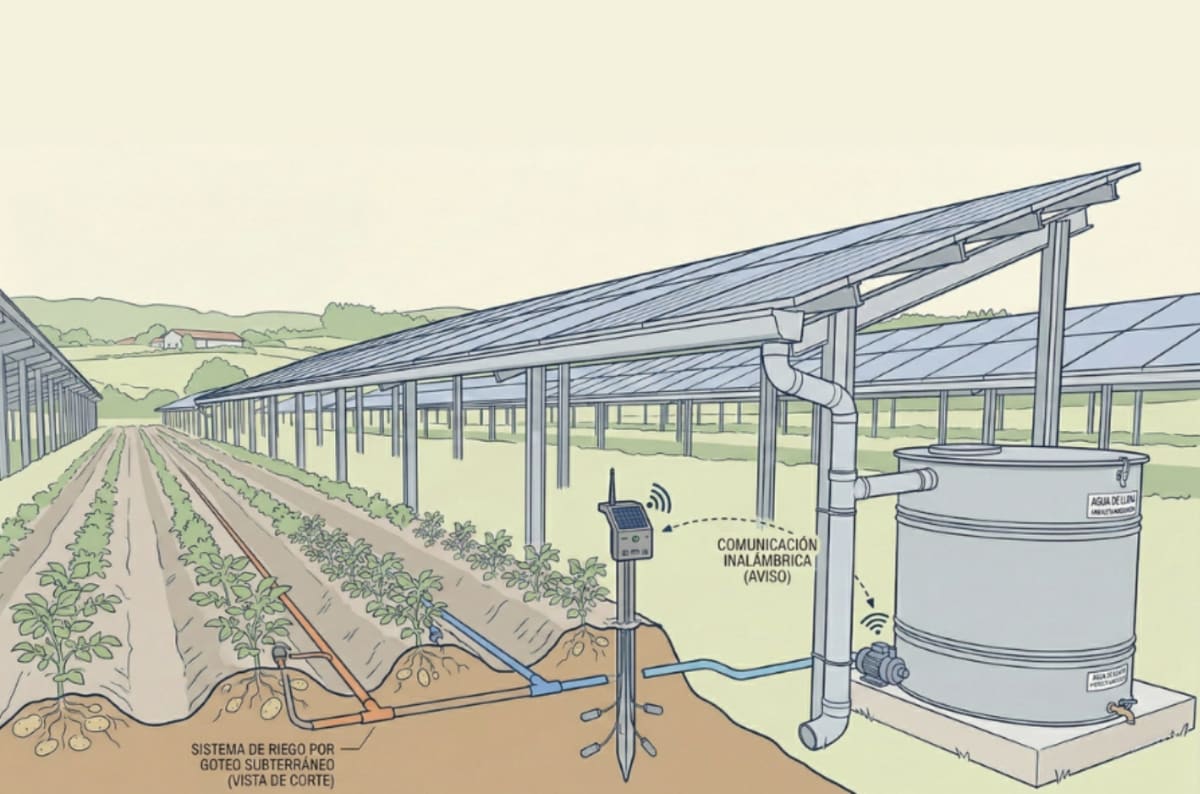
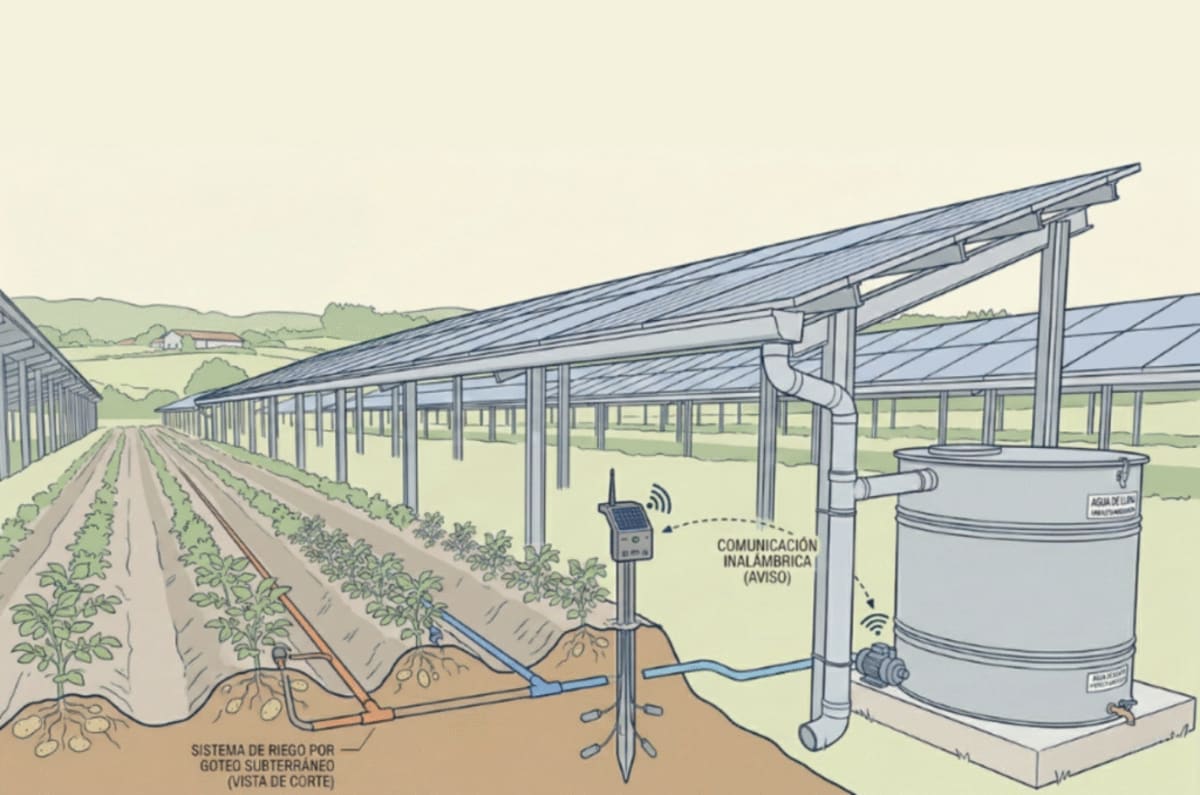
Their invention, called SolarRoot, layers solar panels above growing crops while capturing rainwater and delivering it through underground drip irrigation. Smart soil sensors detect exactly when plants need water and release only what's required, eliminating waste.
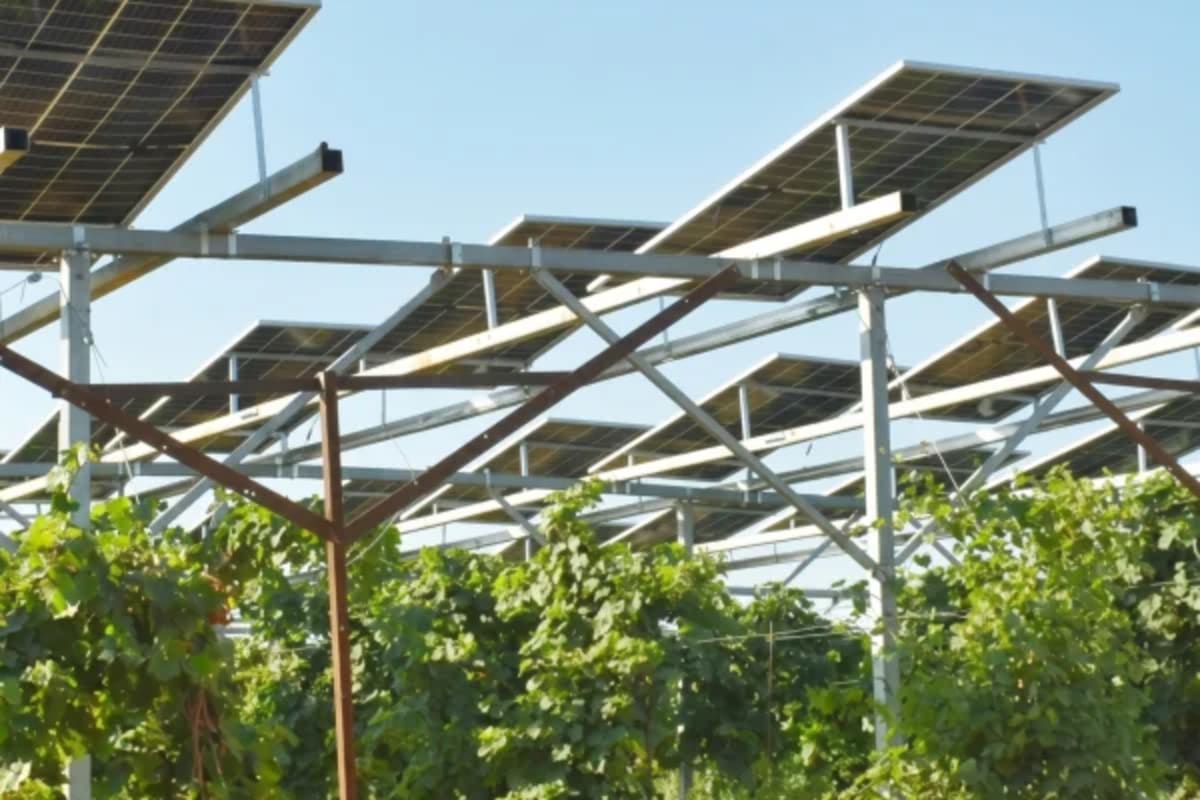
The system tackles multiple challenges at once. Solar panels generate clean electricity while their shade protects crops from heat stress and reduces water evaporation. Rainwater that would normally run off gets captured and stored. And farmers don't have to choose between growing food or producing energy.
The young engineers designed SolarRoot during a 48-hour marathon workshop as part of Invent for the Planet, a global competition run by Texas A&M University. Teams from around the world race to develop solutions for energy, environmental, and social challenges.
Their entry took first place and will now represent the Mexico City campus in the competition's next round. Winners from that stage advance to finals in Qatar.
The Monterrey team hasn't yet revealed technical details like the system's power output, which solar panels they'd use, what crops work best, or how much water the design can recover. SolarRoot remains an engineering proposal waiting for evaluation and potential pilot testing.
The Ripple Effect
This win matters beyond one competition trophy. Small-scale farmers worldwide face impossible choices between dedicating land to food production or renewable energy. Water scarcity threatens crops while energy costs climb.
SolarRoot offers a template for doing both at once. If successful, the approach could help farming communities generate income from clean energy without sacrificing food production. The water-saving features become especially valuable in drought-prone regions where every drop counts.
The fact that recent graduates developed this solution during a weekend workshop shows how quickly good ideas can emerge when young minds tackle real problems. Their generation inherited climate challenges they didn't create, and they're designing practical answers.
Whether SolarRoot moves from concept to working farm will depend on pilot testing and real-world performance, but the innovation has already sparked conversation about smarter land use.
More Images


Based on reporting by PV Magazine
This story was written by BrightWire based on verified news reports.
Spread the positivity!
Share this good news with someone who needs it