Military Resilience Training Shows How to Bounce Back Faster
The same stress that breaks one person makes another stronger, and researchers have found the difference comes down to one skill anyone can learn. Military resilience programs are now teaching civilians how to rewire automatic negative thoughts into pathways for growth.
Two equally talented graduates lose their jobs on the same day. One spirals into self-blame while the other updates their resume and moves forward. The difference isn't talent or luck—it's a learnable skill called cognitive resilience.
Researchers studying how people handle adversity have discovered something powerful. Our brains create automatic "mental icebergs" that distort how we see challenges, turning manageable problems into catastrophes or making us believe asking for help means failure.
The U.S. military noticed this pattern too. Soldiers facing identical stressful situations had wildly different outcomes based on their thought patterns. So they developed resilience training that's now helping civilians recognize and reshape these mental traps.
The technique is surprisingly simple. When stress hits, our minds often catastrophize the worst outcome, replay past failures, or whisper that we're not good enough to cope. These automatic thoughts feel like facts, but they're just habitual filters we can learn to question.
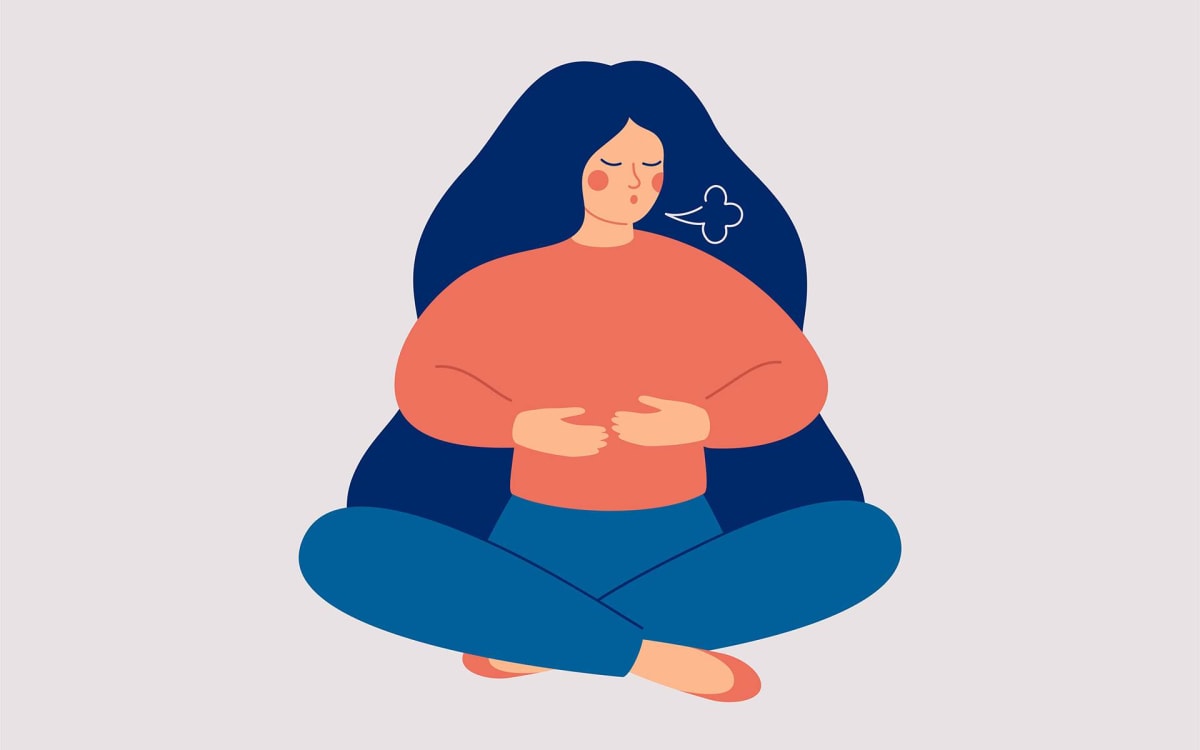
Mindfulness research backs this up. Scientists found that people who pause to observe their stress reactions without judgment—noticing physical tension, emotional spirals, and runaway thoughts—can create space between stimulus and response. That gap is where resilience lives.
Take the parent watching their child perform on stage for the first time. One parent thinks "I didn't prepare her enough, she'll embarrass herself" and suffers. Another thinks "I'm nervous, but I've done my best and I'm here if she needs me" and finds peace in the same moment.
The difference isn't positive thinking or ignoring real problems. It's recognizing that many of our stress responses come from fighting things we can't control or imagining worst-case scenarios that haven't happened.
Why This Inspires
What makes this research so hopeful is that resilience isn't a personality trait you're born with or without. It's a skill that strengthens with practice, like a muscle.
The American Psychological Association now recommends simple daily practices. Notice when you're catastrophizing and label it: "There's that worst-case thinking again." Catch your inner critic and redirect: "I wish I'd done it differently, but what's the best next step?" Accept that uncertainty is normal rather than a problem to solve.
Studies show these small mental shifts compound over time. People who practice recognizing their thought patterns don't experience less adversity—they just move through it faster and with less suffering.
The most encouraging part? Kids learn resilience by watching adults model it. Every time we pause, notice our mental traps, and choose a more balanced perspective, we're teaching the next generation how to bounce back too.
Learning to shift mental gears doesn't eliminate life's challenges, but it changes everything about how we experience them.
More Images

Based on reporting by Mindful
This story was written by BrightWire based on verified news reports.
Spread the positivity!
Share this good news with someone who needs it